
Last updated October 16, 2026
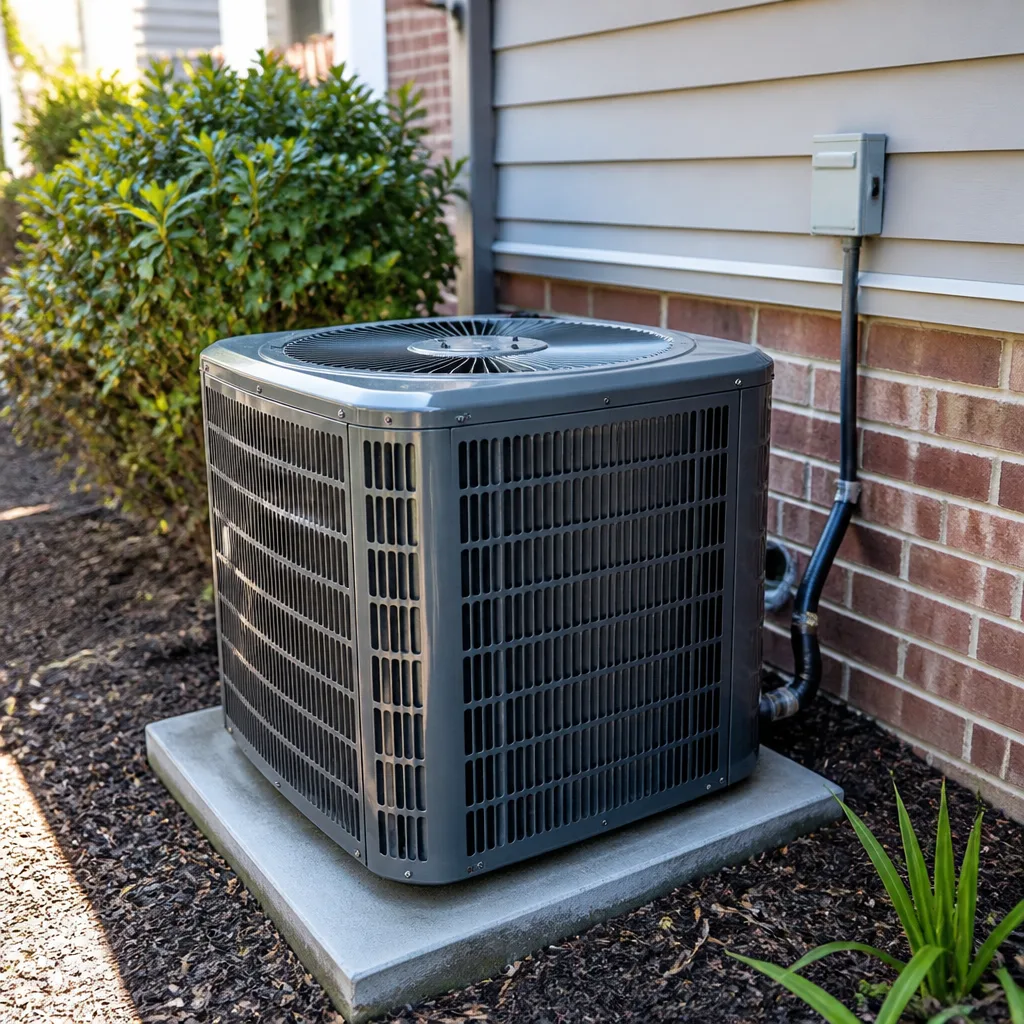 AC repair
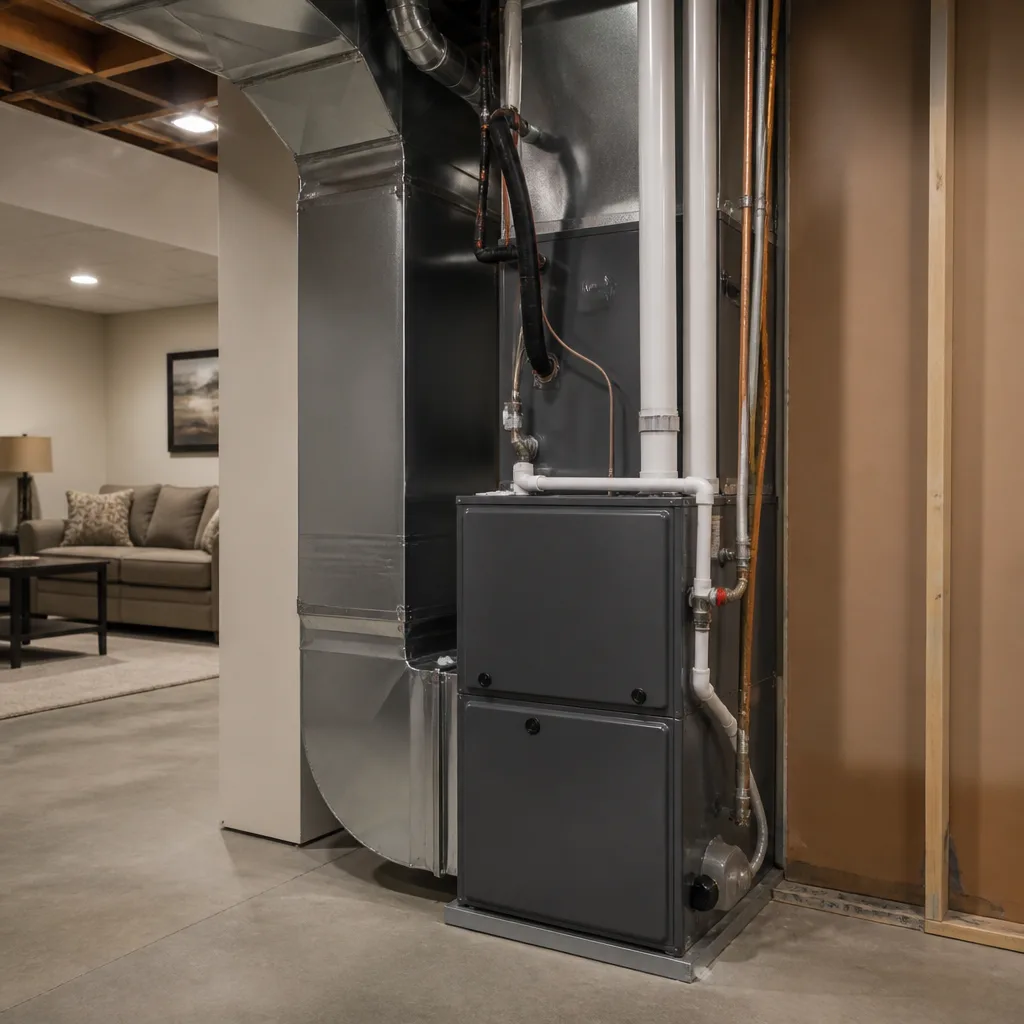 Furnace & heating
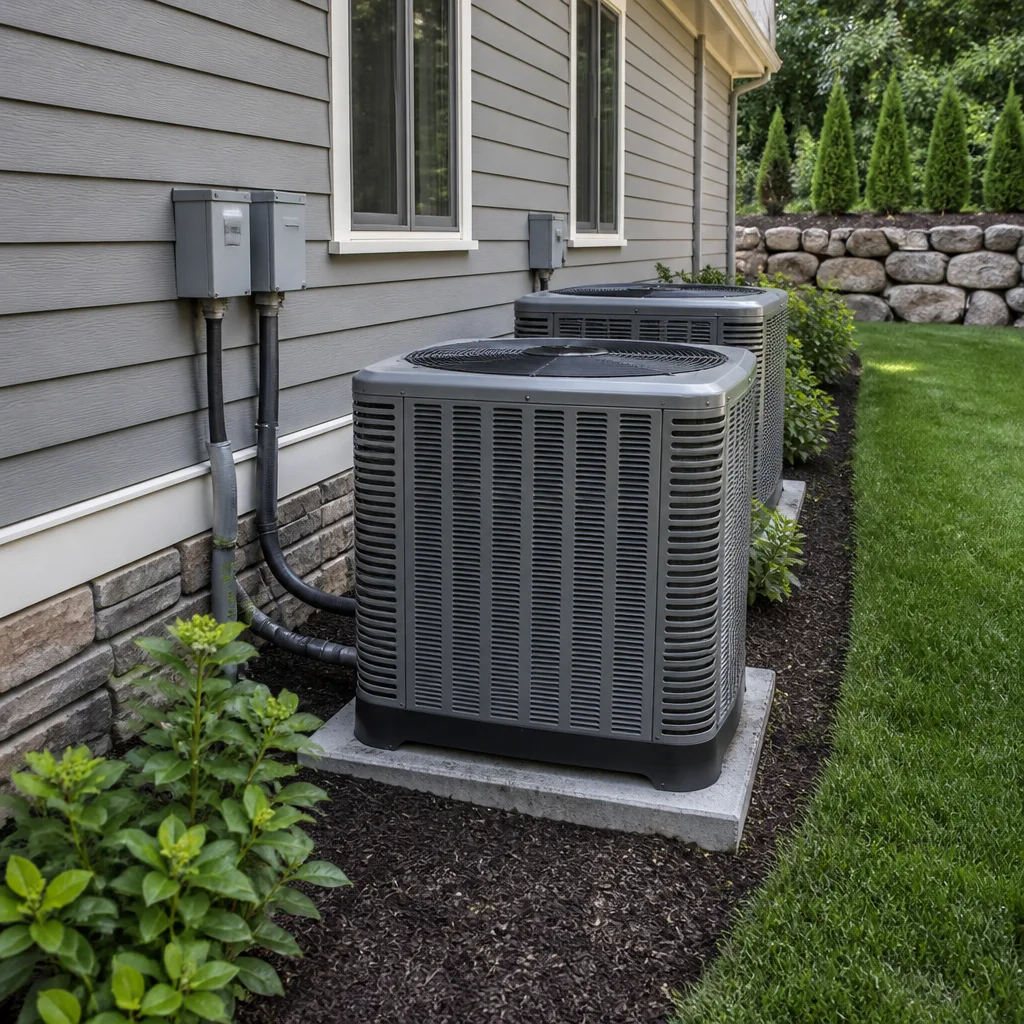 Heat pumps
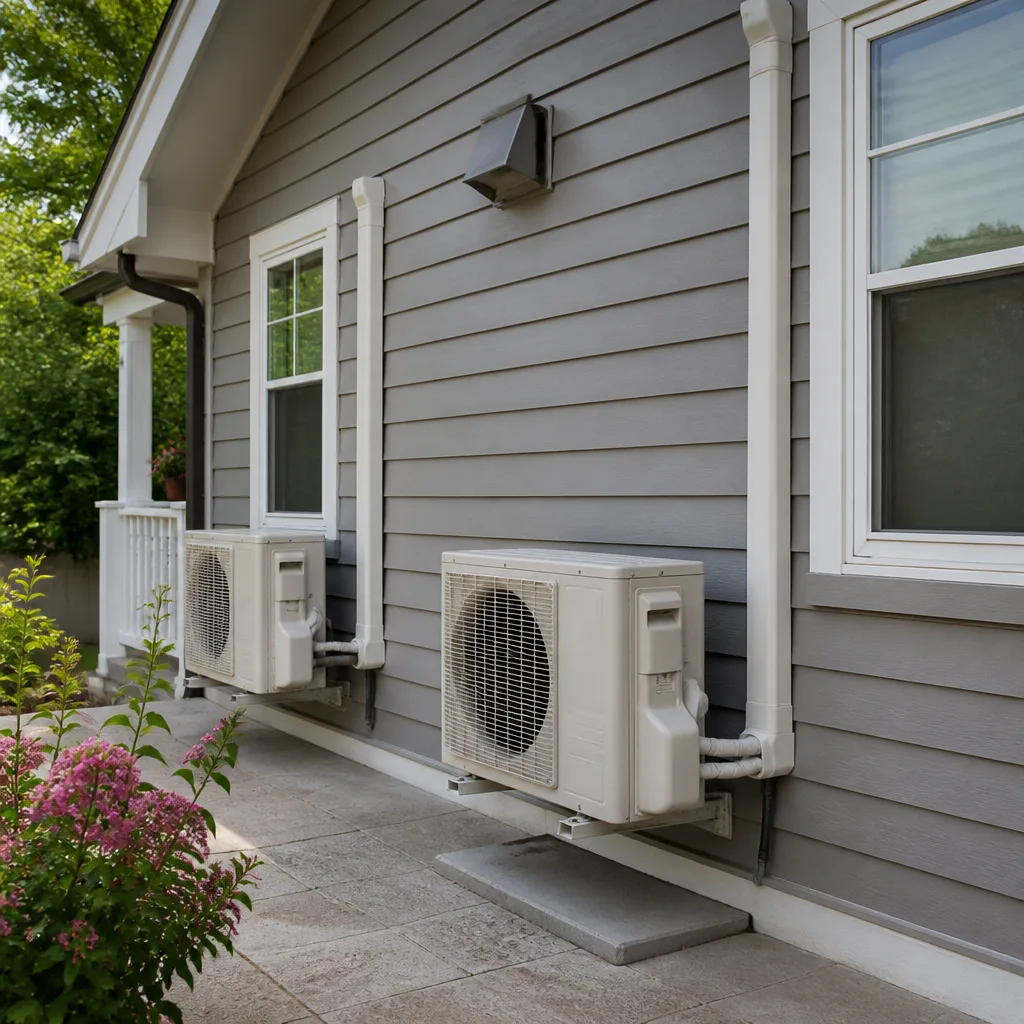 Ductless mini splits
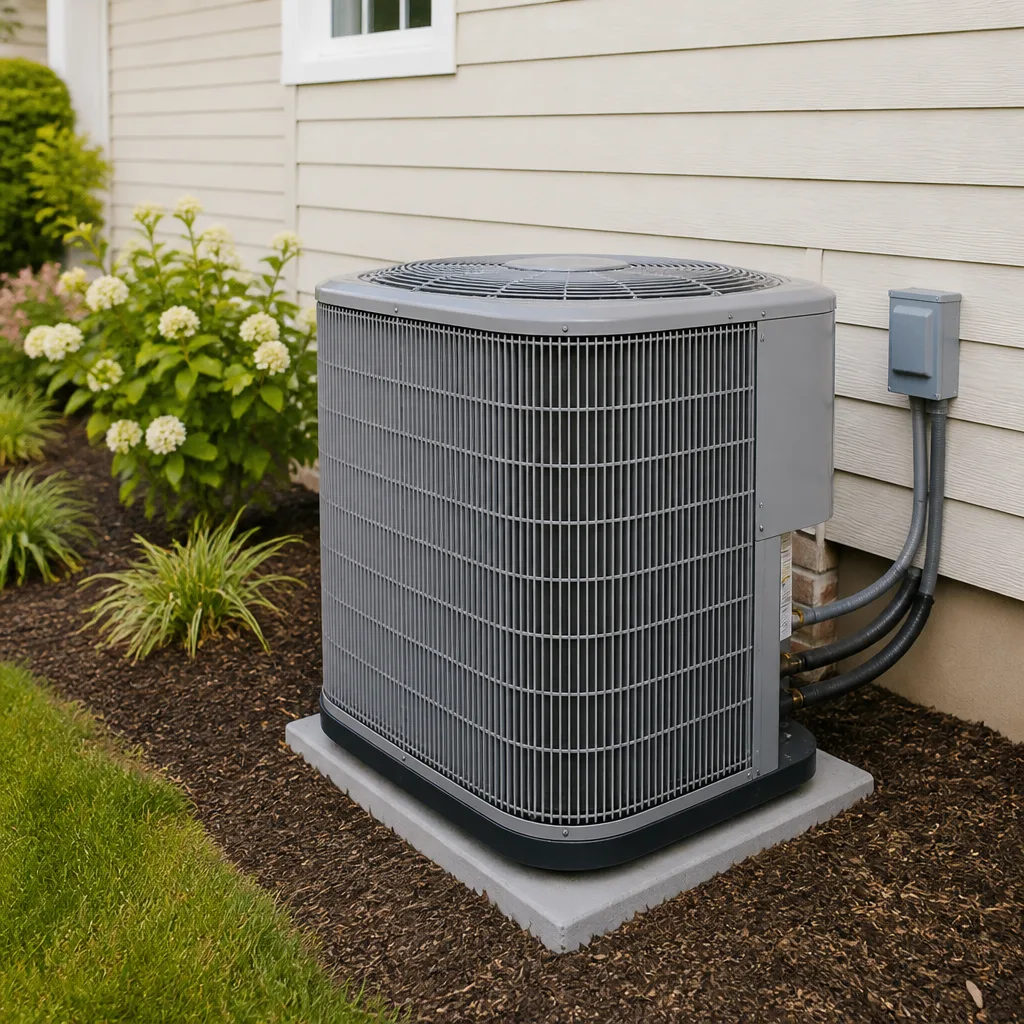 Carrier
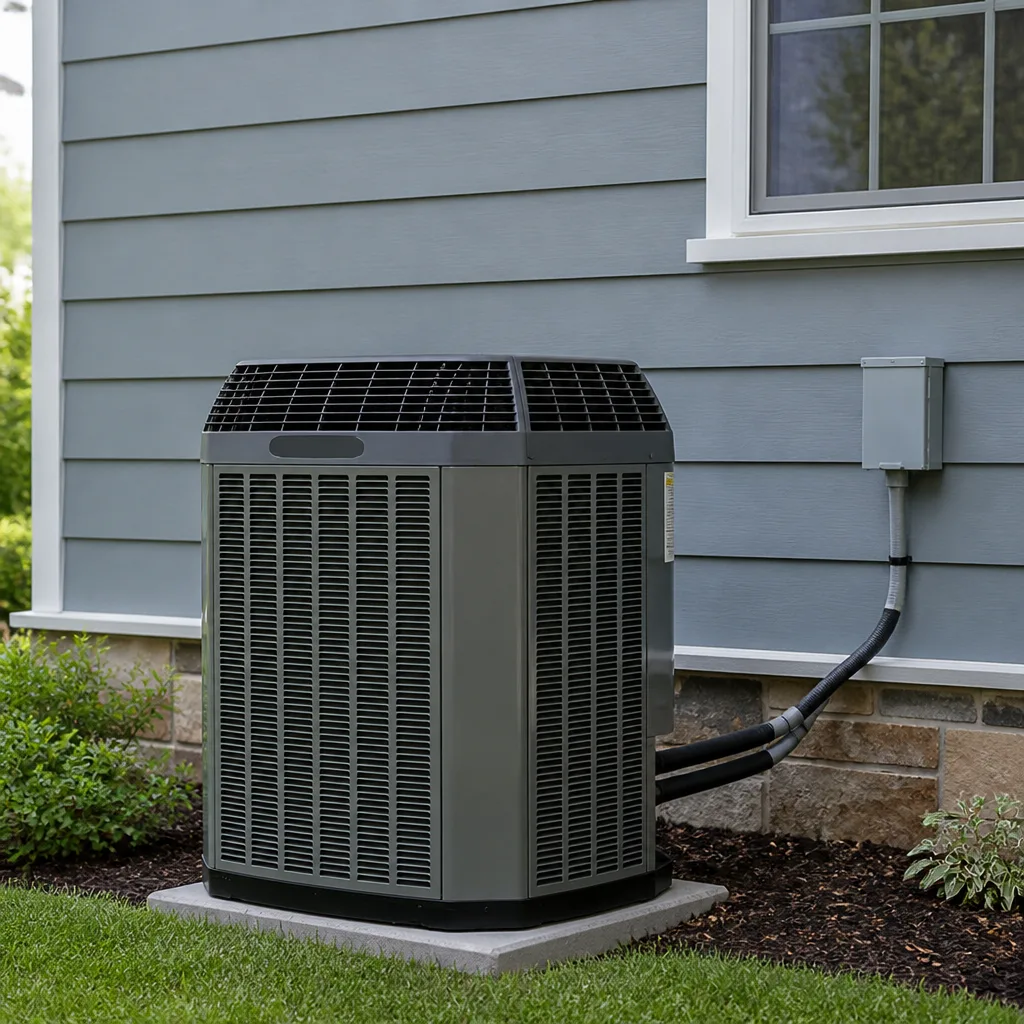 Trane
Trane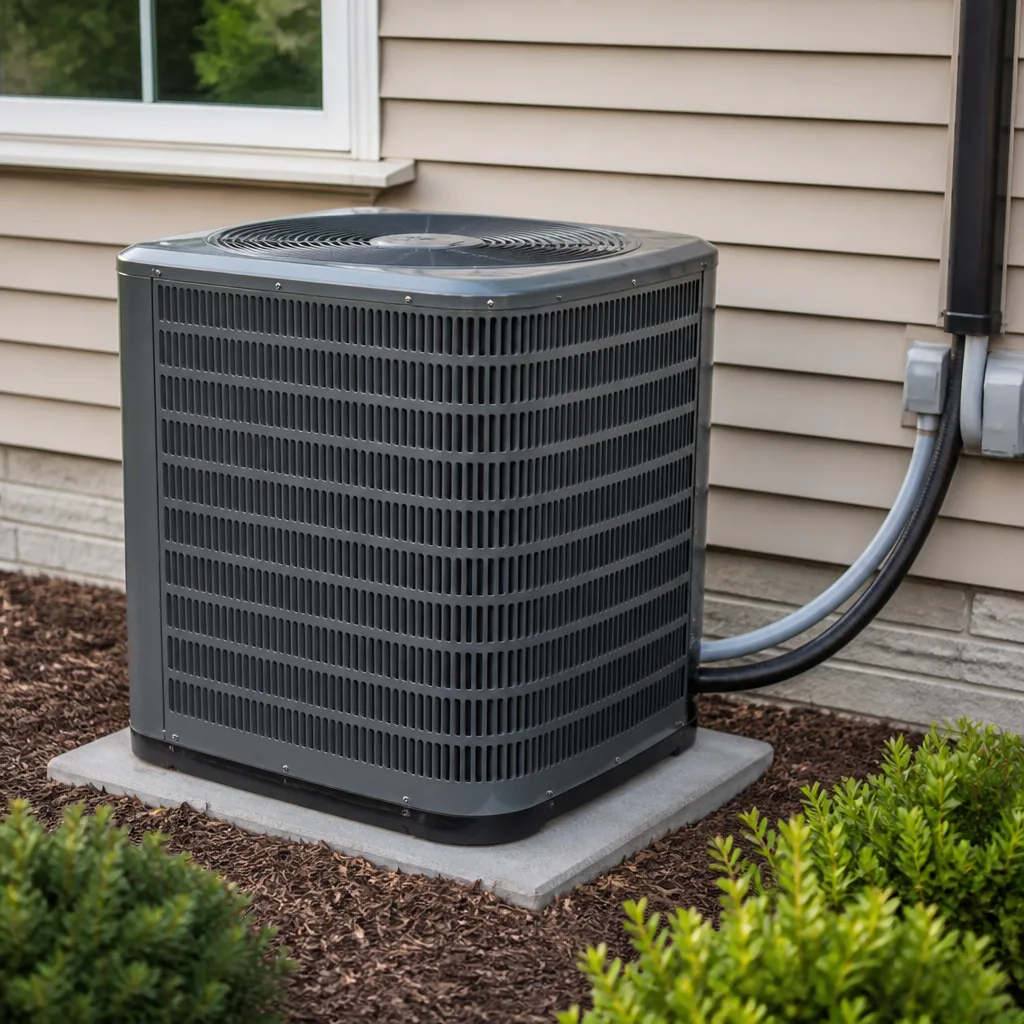 Goodman
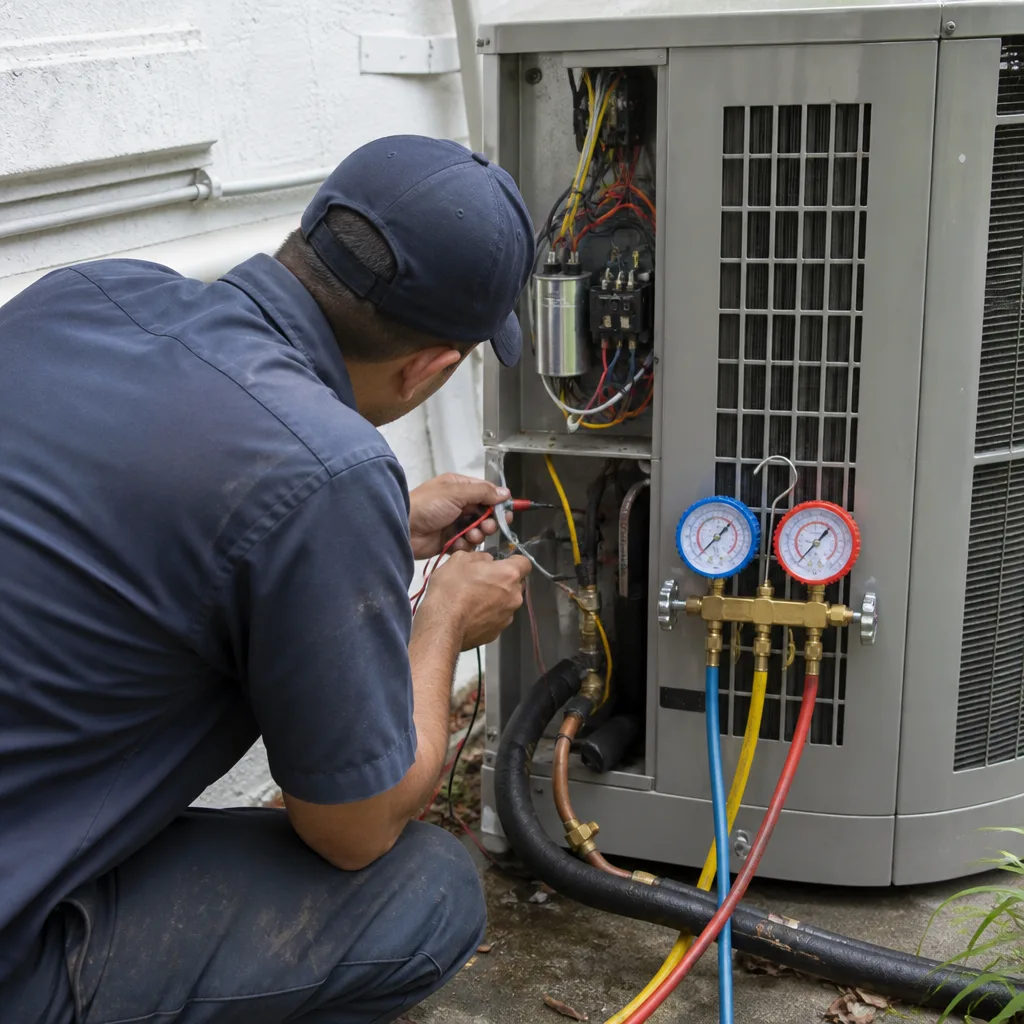
Seasonal tune-up and full diagnostic on your Carrier, Trane, or Goodman system - readings shown to you before any repair is proposed
Diagnosis first, numbers second - you approve the repair price before a single part goes in.
Get your free estimateHVAC Warning Signs: A Fort Lauderdale Homeowner’s Reference Guide
If your Fort Lauderdale AC is running for 20 minutes to cool a room by two degrees in July, that’s not a sign the unit is “working hard.” It’s a measurable indicator of either refrigerant loss or a fouled evaporator coil, and it’s costing you roughly 30% more on your FPL bill every month. Most online guides list HVAC warning signs that apply to any house in any climate, but our Complete Guide to HVAC in Fort Lauderdale covers what actually matters here. This one is different. We’ve written it specifically for Fort Lauderdale homeowners, because what counts as normal here in 85% humidity and 90-degree heat would be a red flag in Denver or Chicago. By the time you finish reading, you’ll know which sounds are harmless, which smells mean trouble, how to read your electric bill like a diagnostic tool, and when a warning sign means shut it down now versus call someone in the morning.
Quick Answer
The most common HVAC warning signs in Fort Lauderdale are short cycling (the unit turns on and off in bursts), ice forming on the refrigerant lines or outdoor unit, rising FPL bills without a matching increase in usage, a musty or metallic smell from the vents, and a gurgling sound from the drain line. Any one of these on its own can indicate a problem, and in Fort Lauderdale’s heat and humidity, ignoring them usually leads to a bigger repair within 60 to 90 days. If your system is doing any of these things right now, turn it off and call a professional before the next heat wave hits.
Styles & brands we work with
Table of Contents
- What Short Cycling Means and Why It’s Worse in Fort Lauderdale
- Condensation Sounds vs. Drain Line Blockage: What You’re Actually Hearing
- Your FPL Bill as an HVAC Diagnostic Tool
- A South Florida Odor Guide: Musty, Metallic, Rotten Egg, and Burning
- Ice on Your AC Unit in Fort Lauderdale: Why It Happens and What to Do
- Humidity-Specific Warning Signs Most Guides Miss
- A Complete Guide to AC Sounds: What’s Normal, What’s Not
- Common Mistakes to Avoid
- When to Call a Professional
- Frequently Asked Questions
What Short Cycling Means and Why It’s Worse in Fort Lauderdale
Short cycling is the HVAC term for an air conditioner that starts up, runs for only a few minutes, shuts off, and then starts up again shortly after. A healthy system in Fort Lauderdale should run for 12 to 18 minutes during a normal summer afternoon. If your unit is kicking on and off every 4 to 7 minutes, you’re dealing with short cycling, and it’s quietly damaging your equipment.
Here’s why this specific warning sign matters more in Fort Lauderdale than almost anywhere else. An AC compressor, the outdoor part that does the heavy lifting of moving refrigerant, takes a big current draw every time it starts. In cooler climates, a short cycling unit might go through 8 to 10 start cycles a day. In Fort Lauderdale, where cooling demand runs from March through November and often 24 hours a day in July and August, a short cycling unit can rack up 40 to 60 starts in a single day. That repeated starting torque wears down the compressor, the single most expensive component in the system. A compressor replacement on a 3-ton system typically runs $1,800 to $3,200 in our market, and short cycling is one of the fastest ways to get there.
Here’s how to check for short cycling yourself with nothing but a phone timer:
- Pick a warm afternoon, ideally between 2 and 5 p.m. when your system is under the most load.
- Set your thermostat 3 degrees below the current indoor temperature so the system calls for cooling.
- Start your timer when you hear the outdoor unit kick on. Stop it when the outdoor unit kicks off.
- Write down that run time. Then time how long the system stays off before it kicks back on.
- Repeat this three times. If your unit consistently runs less than 10 minutes and stays off less than 5 minutes between cycles, you have short cycling.
Short cycling itself is a symptom, not a root cause. The usual culprits in Fort Lauderdale are a dirty condenser coil (the outdoor coil gets caked with salt air, pollen, and cottonwood from the landscaping), a refrigerant charge that’s drifted low, or a thermostat that’s reading the wrong temperature because it’s mounted on a wall that gets direct afternoon sun. All three are fixable, but none of them get better on their own. The longer a unit short cycles, the more likely you’re looking at a compressor replacement rather than a coil cleaning or a AC Repair in Fort Lauderdale call.
Condensation Sounds vs. Drain Line Blockage: What You’re Actually Hearing
Your air conditioner produces water. That’s not a problem; it’s physics. Warm Fort Lauderdale air holds a lot of moisture, and when that air passes over the cold evaporator coil inside your air handler, the moisture condenses into water, drops into a pan, and drains out through a PVC line. In a system running in 80% relative humidity, a single day of cooling can produce 5 to 10 gallons of condensate. So if you hear a faint trickle from the unit every so often, that’s normal. It’s the sound of the system doing its job.
A gurgling sound is different. When you hear a gurgle, or a bubbling sound from the air handler, what you’re hearing is air being pulled through standing water. It means the drain line is partially blocked, and the water in the pan is backing up. In Fort Lauderdale, where our air carries mold spores, dust, and the occasional insect looking for a cool spot to hide, the drain line can clog within a few months, especially during the wet season. The fix is straightforward: a technician clears the line with a wet-dry vacuum or a drain snake, flushes it, and in many cases applies an algaecide tablet to slow regrowth. If the line is not cleared, the pan will eventually overflow, and that water will damage the drywall, the air handler, or whatever happens to be stored in the closet underneath.
Here’s how to tell the difference in practice:
- Trickling water for a few seconds, right after the system shuts off: normal condensation flow.
- Gurgling or bubbling while the unit is running, or a sound like someone blowing through a straw into a glass of water: drain line restriction, call for service.
- Water pooling around the indoor unit, or a stained ceiling below a second-floor air handler: the pan has already overflowed. Shut the system off at the thermostat and call us. The longer the water sits, the worse the damage.
If you live in an older Fort Lauderdale home where the air handler sits in a closet rather than the garage, treat drain line noises as a same-day issue. Water damage is faster and more expensive than any repair we’ve ever quoted.
Your FPL Bill as an HVAC Diagnostic Tool
Your monthly FPL statement is one of the most underused diagnostic tools you own. In a typical Fort Lauderdale home, air conditioning accounts for roughly 50% to 60% of the annual electric bill. So when something in the HVAC system goes wrong, the bill reacts. The challenge is that every summer bill looks high, and it’s easy to write off a spike as just another hot month. The trick is to compare like periods from the previous year, not the previous month. FPL statements show your usage for the same month one year ago. That’s the number that matters.
Here’s a practical rule of thumb. If your FPL bill jumps 15% to 20% year-over-year and the weather was roughly the same, something in the system is working harder than it should be. A jump of 25% or more, with no major change in how you use the house (no guests for two weeks, no new pool pump, no home office that didn’t exist last year), usually means a specific component issue: low refrigerant, a failing capacitor making the blower motorwork at lower efficiency, or a dirty condenser coil forcing the compressor to run longer to reject the same heat. None of these resolve themselves.
Let’s put real numbers on it. A 2,400 square foot Fort Lauderdale home with a 10-year-old system and a typical summer FPL bill of $280 might see that bill climb to $340 or $360 when the system loses 15% of its refrigerant charge. That’s $60 to $80 a month, every month, until the leak is fixed. Over a 9-month cooling season, you’re spending $540 to $720 on electricity that a $200 to $400 repair would eliminate. The math works even better when you factor in that a system running low on refrigerant runs longer, wears faster, and is more likely to fail on the hottest day of the year. If you’re seeing an unexplained spike, call us for a diagnostic. We’ll measure the actual amp draw, check the charge, and show you the numbers on the written estimate.
A South Florida Odor Guide: Musty, Metallic, Rotten Egg, and Burning
Smells coming from an HVAC system are information. In Fort Lauderdale, where humidity keeps things damp and salt air eats at electrical connections, certain odors appear more often than in other parts of the country. Here’s what each one means and what to do about it.
The musty smell. A musty, earthy, or “old gym sock” smell coming from the vents almost always means mold or mildew growth in the ductwork, on the evaporator coil, or in the drain pan. This happens when the system runs constantly in high humidity and never quite dries out. Fort Lauderdale’s wet season, from May through October, is prime time for this. The coil in a system that runs 16 hours a day stays wet for 16 hours a day. If the drain line is even partially clogged, the water sits even longer. Mold spores grow, the smell hits you every time the blower kicks on, and the air quality in the house suffers. The fix involves cleaning the coil, clearing the drain, and in cases where the mold has moved into the ducts, cleaning or replacing the ductwork. This is not something to mask with air freshener. It’s a moisture problem first and an air quality problem second.
The metallic or electrical smell. A sharp, metallic, or “hot electronics” odor, sometimes described as smelling like an overheated hair dryer, usually points to an overheating capacitor, a failing blower motor, or a control board that’s drawing too much current. Capacitors are one of the most common failure points in Fort Lauderdale systems because the heat and salt air age them faster than they would age in a cooler climate. A failing capacitor often gives a few days of warning with this smell before it fails completely, which is useful, because a failed capacitor means no cooling at all. If you smell this, turn the system off at the thermostat and call for service. Running it longer risks a bigger electrical failure.
The burning smell. A brief burning smell the first time you turn on the heat in “winter” is normal. Dust settles on the heat strips during the months they’re not used, and the first heating cycle burns it off. This smell should clear within 20 to 30 minutes. If a burning smell continues, or if you see smoke, shut the system off and call us. A sustained burning smell can mean a failing motor, or in a furnace, a cracked heat exchanger, which is a carbon monoxide risk and not something to troubleshoot yourself.
The rotten egg smell. This one is important, and it’s not an air conditioning problem at all. Rotten egg, or sulfur smell, indicates natural gas or propane. If you smell it near the furnace or the gas line, leave the house and call FPL or your gas utility from outside. Fort Lauderdale homes with gas furnaces are less common than homes with heat pumps, but they exist, and natural gas is odorized precisely so you’ll recognize it. A rotten egg smell is the one HVAC-related odor that justifies leaving the house first and asking questions later.
We service all major residential brands, including Trane, Lennox, and Goodman, and we’ve seen every odor on this list in Fort Lauderdale homes. Most have simple fixes when they’re caught early. All of them get more expensive when they’re ignored.
Ice on Your AC Unit in Fort Lauderdale: Why It Happens and What to Do
An air conditioner that’s frozen over in Fort Lauderdale sounds like a contradiction. It’s 92 degrees outside, the humidity is thick enough to drink, and yet the refrigerant line leading to the outdoor unit is covered in a thick layer of frost, or the indoor coil is caked in ice. It happens here more often than homeowners expect, and the reason is tied directly to our climate.
Ice forms on an AC system for two main reasons: the refrigerant charge is low, or the airflow across the evaporator coil is restricted. When the refrigerant charge is low, the pressure inside the coil drops, and the coil temperature falls below freezing. The coil condenses moisture from the air, just like it’s supposed to, but instead of draining away as water, that moisture freezes. In Fort Lauderdale, where the air is carrying more moisture than in almost any other U.S. market, there’s more water available to freeze, so ice forms faster and thicker here than it would in Arizona or Nevada. The second cause, restricted airflow, usually means a dirty filter, a dirty evaporator coil, or a blower motor that’s not moving enough air. Without enough warm air passing over the cold coil, the coil temperature drops, and ice forms.
Here’s what to do if you find ice on your unit:
- Turn the system off at the thermostat immediately. Set the fan to “On” instead of “Auto” if your thermostat allows it. Running the fan helps thaw the ice, and more importantly, turning the system off prevents the compressor from running while the coil is frozen, which is a common cause of compressor failure.
- Do not chip the ice off. Beating ice off the coil with a tool will damage the aluminum fins, and replacing a coil costs more than any repair.
- Check the filter. If it’s clogged, replace it. A blocked filter is the one cause of ice on the coil that you can fix yourself. Then wait for the ice to melt completely before running the system again.
- If the ice returns, or if the filter was not the issue, call us. A system that freezes up repeatedly is telling you it’s low on refrigerant, and the refrigerant didn’t just disappear. There’s a leak somewhere, and leaks need to be found and repaired before the system is recharged.
Ice on the unit is one of the warning signs where immediate action pays off. You might catch a leaking refrigerant line before the compressor fails. Replace the compressor on a 10-year-old system, and you’re now comparing that cost against a new AC Installation in Fort Lauderdale, which is a much bigger conversation.
Humidity-Specific Warning Signs Most Guides Miss
Almost every generic HVAC guide is written for a world where the air conditioner’s main job is to lower the temperature. In Fort Lauderdale, your AC has two jobs: lowering the temperature and removing humidity. A system that’s cooling but not dehumidifying is failing at half its job, and if you don’t know to look for it, you might live with it for months. Here are the humidity-specific warning signs we hear about from homeowners all over Broward County.
The clammy feeling at 72 degrees. Your thermostat says 72, but the air feels sticky and heavy. You keep lowering the thermostat to 69, then 68, trying to feel comfortable. What’s actually happening is that the system is cooling the air without removing enough moisture. This happens when the system is oversized (the unit cools the house so fast that it satisfies the thermostat in 8 minutes and never runs long enough to dehumidify), or when the evaporator coil is dirty enough that it’s not condensing moisture efficiently. The fix for the dirty coil is a cleaning. The fix for an oversized system is more complicated and often involves a full load calculation and replacement. In the meantime, every degree you lower the thermostat costs roughly 3% more on your FPL bill, and you’re still not comfortable.
Condensation on the inside of your windows. If you see water beading and running down the inside of your windows in the summer, that’s not a window problem. It means the indoor humidity in your house is running above about 60% relative humidity, and the window glass, which is cooler than the room, is condensing moisture out of the air. This is an HVAC warning sign. The system is not pulling moisture the way it should, and the longer the indoor humidity stays elevated, the more likely you are to see mold on window sills, on bathroom ceilings, and eventually in the ductwork. Fort Lauderdale homes with single-pane windows see this first, but it shows up in newer homes too when the AC is underperforming.
A “wet dog” smell that doesn’t come from the dog. This one overlaps with the musty smell from earlier, but it’s worth mentioning separately. When the indoor humidity stays high, carpets, furniture, and drywall absorb moisture. The smell is not coming from the vents; it’s coming from the things in the room. The HVAC fix is the same: get the coil cleaned and the drain line cleared, and the humidity will drop. Within a week, the smell usually fades.
If any of this sounds familiar, the first step is a diagnostic visit. We measure the actual humidity in the supply and return air, and we’ll tell you whether the system is dehumidifying at the rate it should. A well-maintained system in Fort Lauderdale should bring return air at 55% relative humidity down to 45% to 50% at the supply register. If yours isn’t, there’s a reason.
A Complete Guide to AC Sounds: What’s Normal, What’s Not
Every AC system makes noise, and some noises are perfectly normal. Others are early warnings that a major component is about to fail. Here’s a field guide to the sounds you’ll hear from a Rheem, Trane, Lennox, or Carrier system in Fort Lauderdale, and what each one means.
Normal sounds:
- A low hum from the outdoor unit while it runs. This is the compressor and the fan motor doing their jobs.
- A whoosh of air from the vents when the blower kicks on. This should be smooth, not rattling.
- A few seconds of water trickling after the system shuts off, as the last of the condensate drains away.
- An occasional click at the thermostat as the system cycles on and off. A single click per cycle is normal. Repeated rapid clicking is not.
Warning sounds:
- A hard buzzing sound from the outdoor unit that doesn’t turn into a normal hum. This is often the compressor trying to start against a failing capacitor. You might hear it for 5 to 10 seconds, then the buzz stops, and the unit goes quiet without ever really starting. If you hear this, turn the system off and call us. Continuing to run it will burn out the compressor.
- A grinding or metal-on-metal sound. This means a bearing in the fan motor or the compressor is failing. Grinding sounds do not get better on their own. The component is on its way out, and the only question is whether you replace the motor or the compressor before it seizes.
- A squealing or shrieking sound. This is usually a belt or bearing in the blower motor. In older systems with belt-driven blowers, it’s a simple belt replacement. In newer systems with direct-drive motors, it usually means the blower motor bearings are wearing, and a motor replacement is coming.
- A rattling sound that gets worse over time. Loose panels, a stick or piece of debris in the outdoor fan, or a failing motor mount. A rattling noise by itself is not an emergency, but it’s worth investigating because a rattling panel can turn into a panel that falls off, and a rattling fan can throw a blade.
The easiest way to catch these early is to pay attention to what your system sounds like on a normal day. If the sound changes, even slightly, that’s your warning. Call us while the sound is still intermittent. The repair is almost always cheaper than the one that comes after the component fails completely.
Common Mistakes to Avoid
- Treating a rising FPL bill as “just summer.” Compare year-over-year, not month-over-month. A 20% jump over last July is a warning sign. Last July was hot too.
- Lowering the thermostat to fight humidity. If the air is cool but sticky, lowering the temperature makes you slightly more comfortable while the system works harder and the electric bill climbs. The problem is humidity, not temperature, and the fix is in the coil or the system sizing.
- Ignoring short cycling because the house “still cools fine.” The house cools fine right up until the compressor fails, and that repair is 10 times the cost of a capacitor or a coil cleaning. Short cycling is a countdown, not a quirk.
- Trying to thaw a frozen coil with a hair dryer or a heat gun. We’ve seen this more than once in Fort Lauderdale, and the result is usually a damaged coil and a much bigger repair bill. Turn the system off and let it thaw on its own.
- Waiting for a smell to go away. Musty, metallic, and burning smells are signals. They don’t clear up because you run the system longer. They clear up when someone fixes the cause.
- Putting off a Furnace Repair in Fort Lauderdale call because “it’s not even cold.” Fort Lauderdale’s heating season is short, but when the cold snap hits in January, every HVAC company in Broward County gets busy at the same time. Fixing a furnace in September is faster and easier than fixing it in the middle of a 40-degree night.
- Using a dirty filter for months because it’s “still mostly okay.” A clogged filter is the most common cause of ice on the coil, poor airflow, and a system that runs too long. In Fort Lauderdale, check the filter every 30 days during the summer. A pack of filters is cheaper than any repair.
When to Call a Professional
Call a professional when the warning sign involves electricity, refrigerant, water, or the compressor. That covers most of what we’ve talked about in this guide. A humming sound that means a capacitor is about to fail, ice on the coil that means a refrigerant leak, a drain line that’s gurgling and about to overflow, a burning smell from a motor, or a gas smell from a furnace: all of these are calls you should make now, not next week. The cost of the diagnostic visit is almost always less than the cost of waiting. Cold Harbour Heating and Air Fort Lauderdale offers free estimates in Fort Lauderdale, and a live person answers the phone 24 hours a day, 7 days a week. If you’re hearing or smelling or seeing something that doesn’t match what this guide describes as normal, call (754) 354-7289. We’ll tell you whether it’s urgent or can wait, and we’ll put the price in writing before any work begins.
Frequently Asked Questions
Short cycling means your AC runs for less than 10 minutes at a time and shuts off for less than 5 minutes before starting again. You can check this yourself by timing the outdoor unit with your phone on a hot afternoon. Three cycles of less than 10 minutes on and less than 5 minutes off means you have short cycling, and in Fort Lauderdale’s continuous-run climate, it’s wearing out your compressor faster than it would anywhere else. Call (754) 354-7289 for a diagnostic before it gets worse.
When a Fort Lauderdale AC runs but doesn’t cool, the most common causes are a refrigerant leak, a dirty or iced-over evaporator coil, or a compressor that’s running but not pumping. In our climate, a system that runs constantly in high humidity without hitting the set temperature will also stop dehumidifying properly. Shut it off and call us. A diagnostic will tell you which of these is the problem, and you’ll get a written price before any repair work starts.
The cost depends on the cause. A failing capacitor replacement typically runs $150 to $280, a condenser coil cleaning runs $120 to $250, and a refrigerant leak repair plus recharge runs $300 to $900 depending on the location and severity of the leak. A compressor replacement, which is what you’re risking if short cycling goes untreated, runs $1,800 to $3,200 on most Fort Lauderdale systems. Call (754) 354-7289 for an exact quote; estimates are free.
No. A faint trickle of water right after the system shuts off is normal condensation drainage, but a gurgling or bubbling sound while the unit is running means the drain line is partially blocked and water is backing up in the pan. In Fort Lauderdale’s humidity, a blocked drain line can overflow within days. Shut the system off at the thermostat and call (754) 354-7289. This is a quick fix when caught early and a drywall repair when it isn’t.
Ice on the refrigerant line or the indoor coil means either low refrigerant from a leak or restricted airflow from a dirty filter or coil. Fort Lauderdale’s high humidity provides more moisture to freeze, so systems here ice up faster than in drier climates. Turn the system off immediately, check the filter, and if the ice returns after a full thaw, call us. Running a frozen system is a fast way to destroy the compressor.
The rule of thumb we use is to multiply the repair cost by the age of the system. If the system is more than 12 years old and the repair is more than $1,000, a replacement is usually the better long-term investment, especially in Fort Lauderdale where systems run year-round and older units use considerably more electricity. That said, many repairs on 8 to 10-year-old systems still make financial sense. We’ll give you honest numbers either way, and we won’t push a replacement when a repair will serve you well. Call (754) 354-7289 for a straight answer.
The Bottom Line
Your HVAC system talks to you constantly, in sounds, smells, ice, and electric bills. Most homeowners just haven’t been taught what to listen for. In Fort Lauderdale, the warnings come faster and hit harder than they do in cooler, drier markets. Short cycling destroys compressors. Gurgling drains ruin drywall. A 20% FPL spike costs real money every month it’s ignored. The good news is that most of these problems are cheap to fix when they’re caught early, and you can find more guides & resources on our blog to stay ahead of them. Victor Mancini and the team at Cold Harbour Heating and Air Fort Lauderdale have served Fort Lauderdale since 2003, and we put every repair in writing with a 365-day guarantee. For a free estimate, call (754) 354-7289.
Written by Victor Mancini, Owner at Cold Harbour Heating and Air Fort Lauderdale, serving Fort Lauderdale since 2003.
See the difference
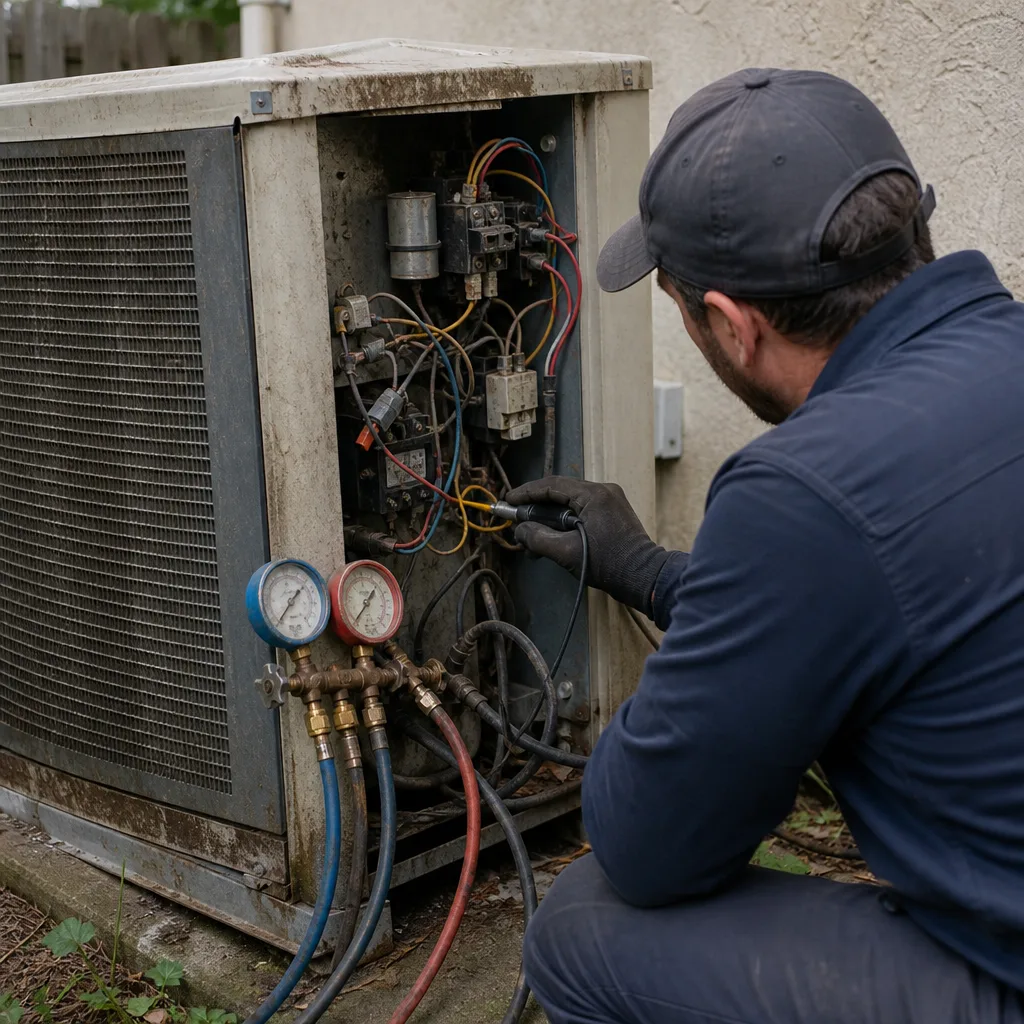 Before
 After
After Before
 After
After Before
 After
After