
Last updated October 16, 2026
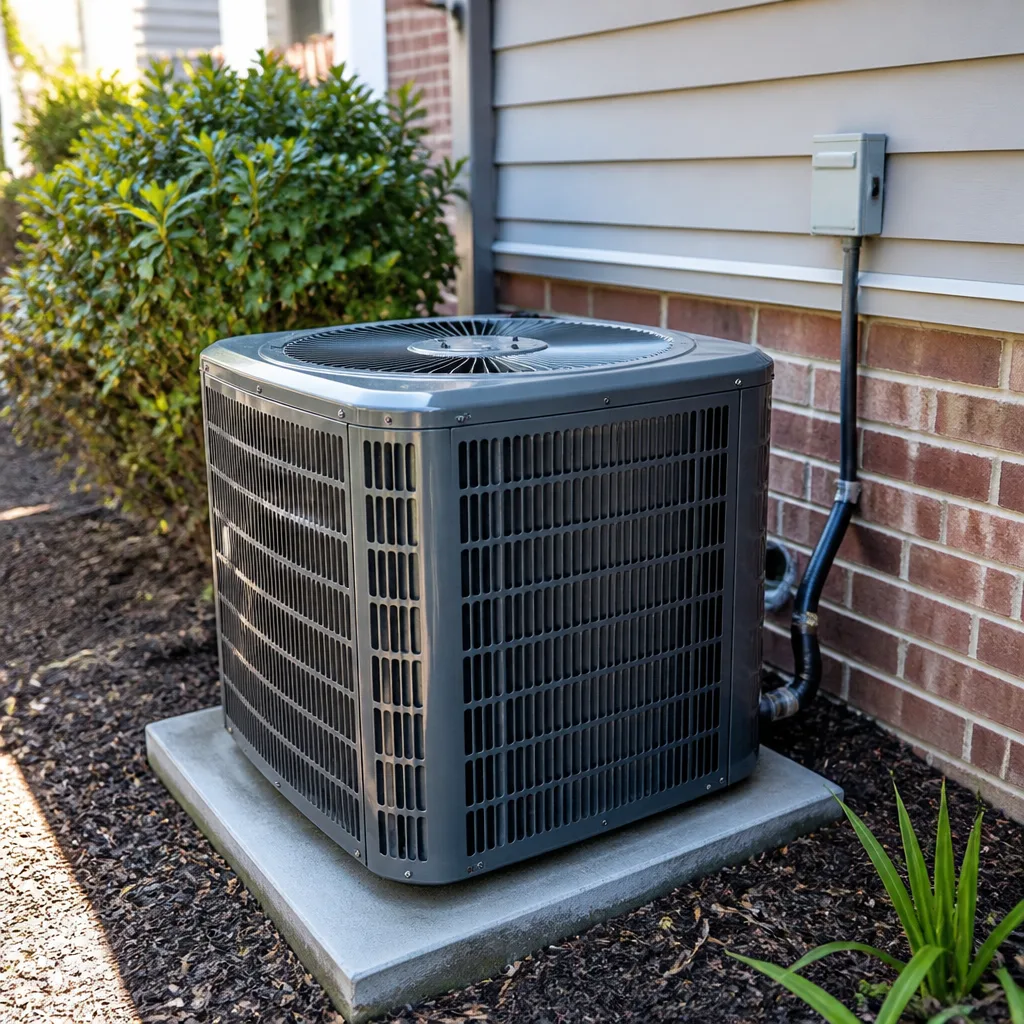 AC repair
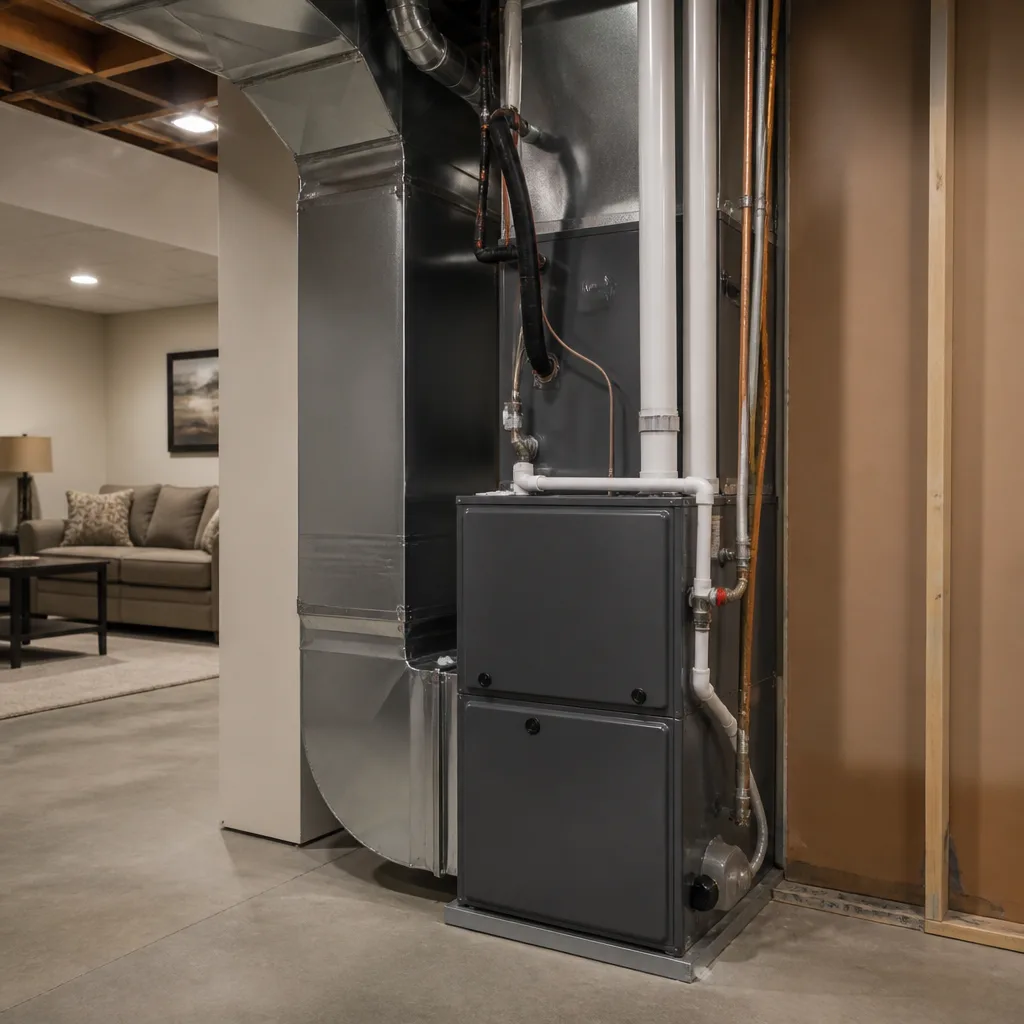 Furnace & heating
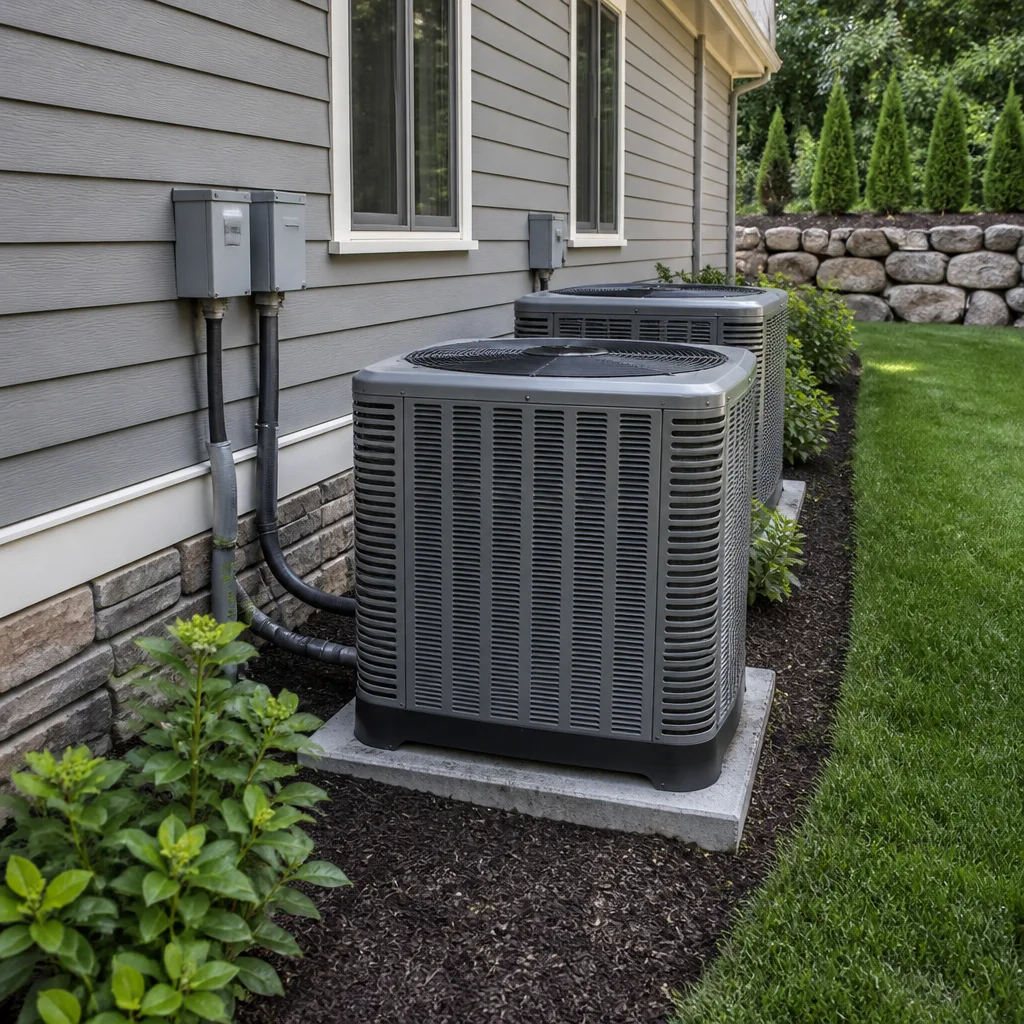 Heat pumps
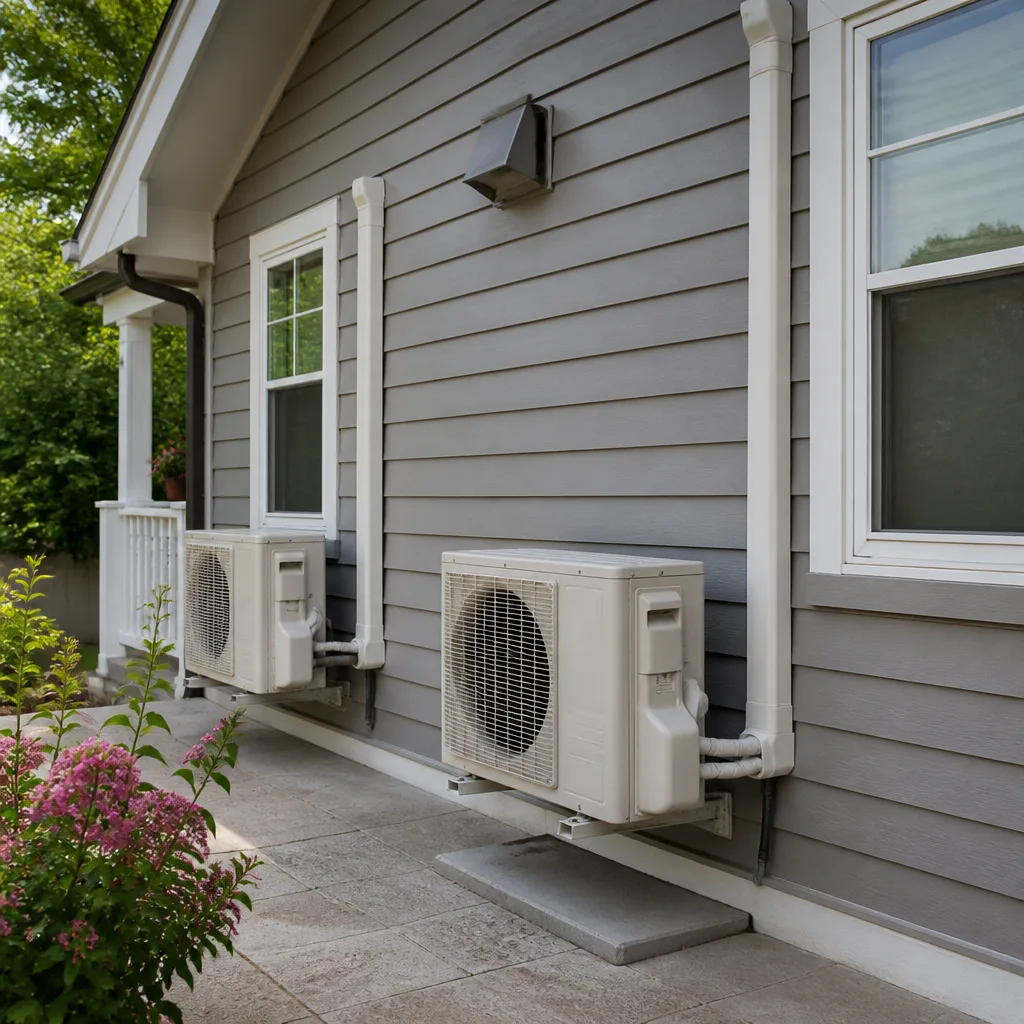 Ductless mini splits
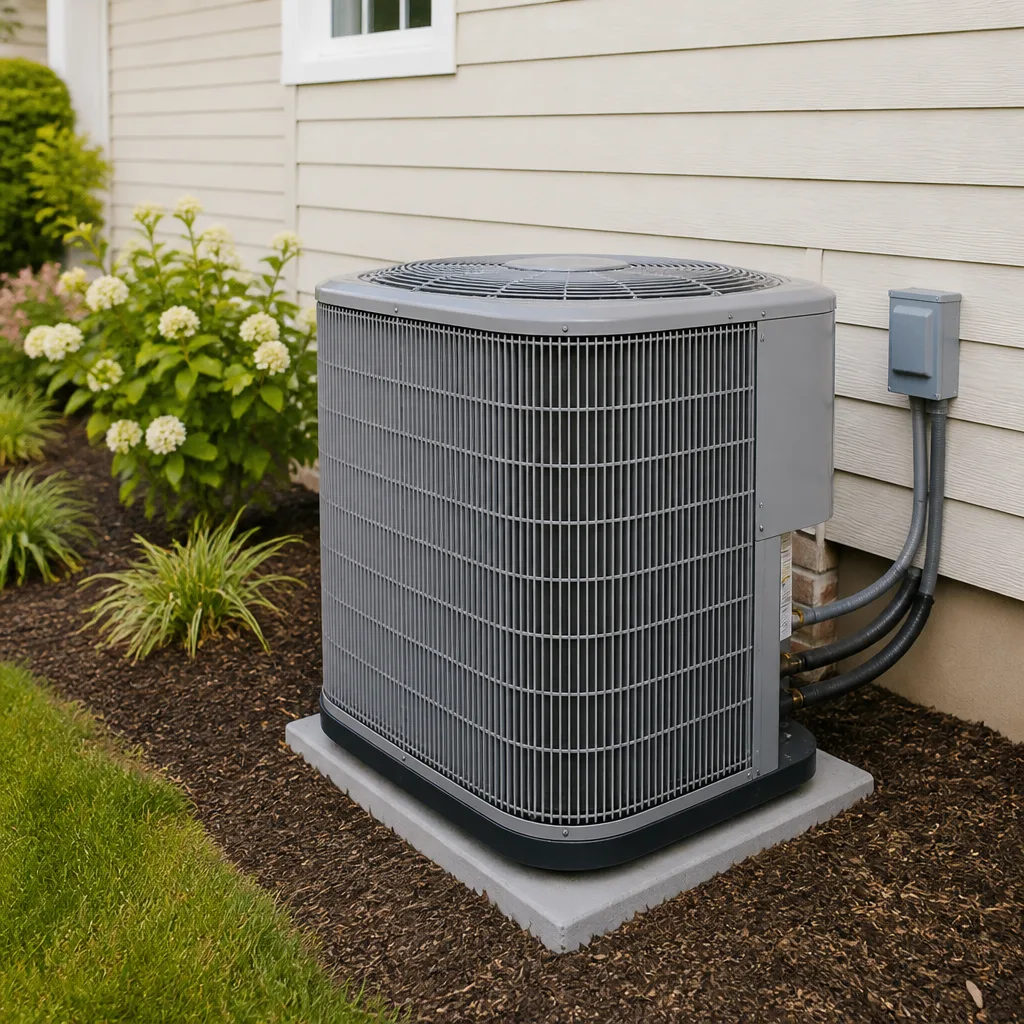 Carrier
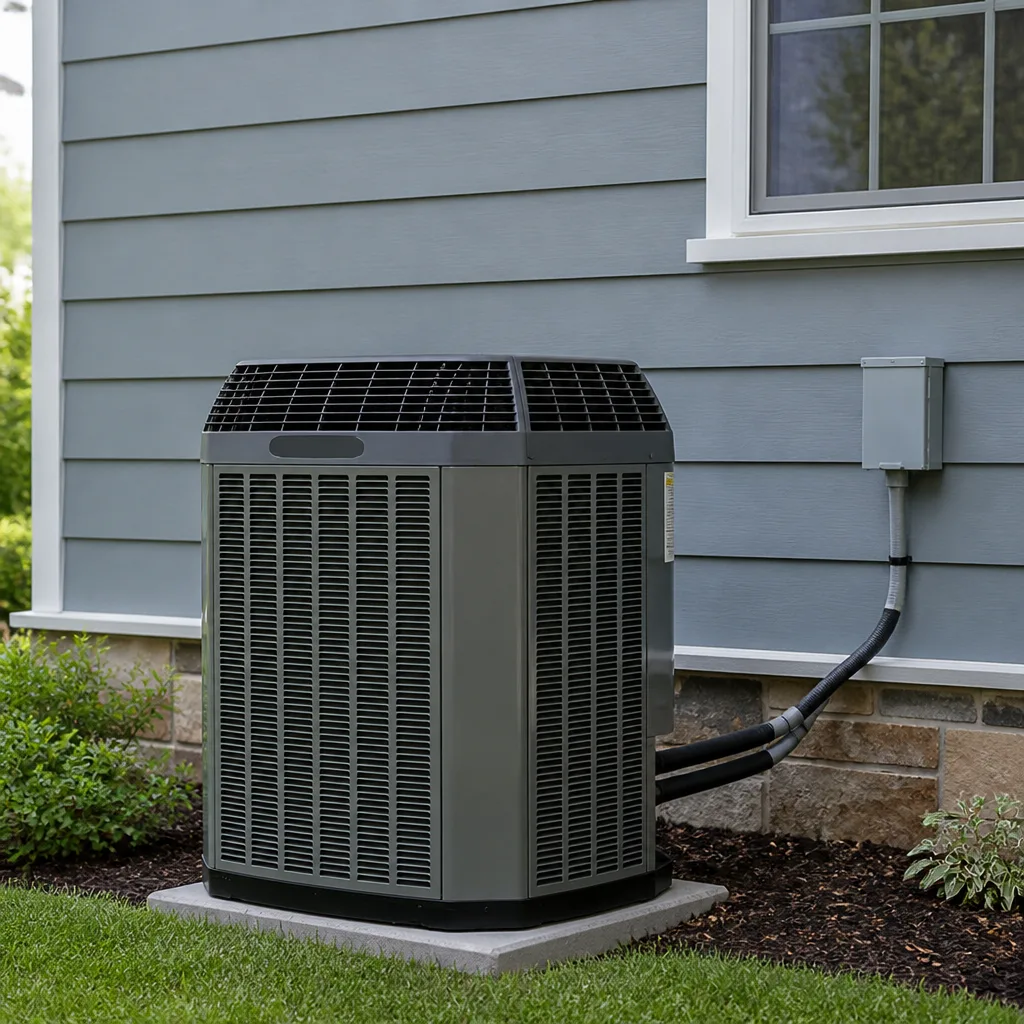 Trane
Trane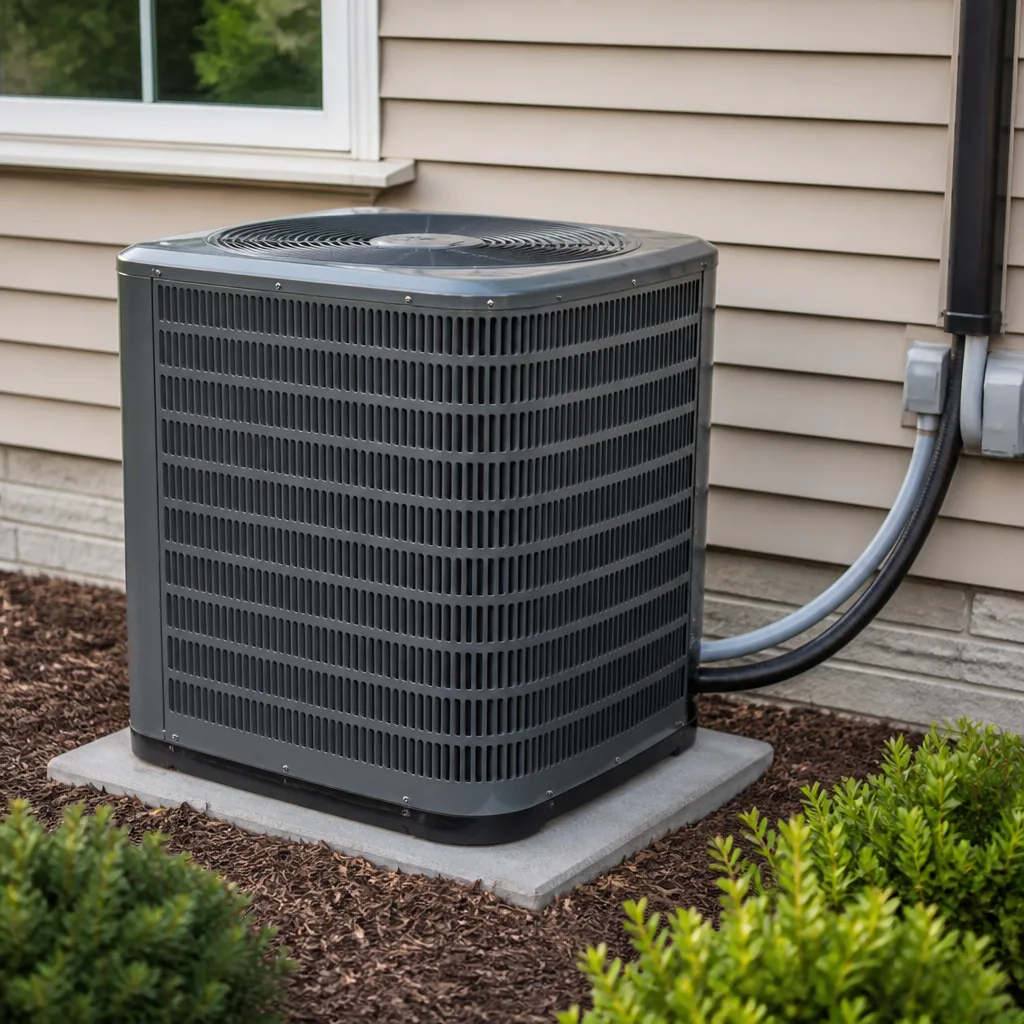 Goodman
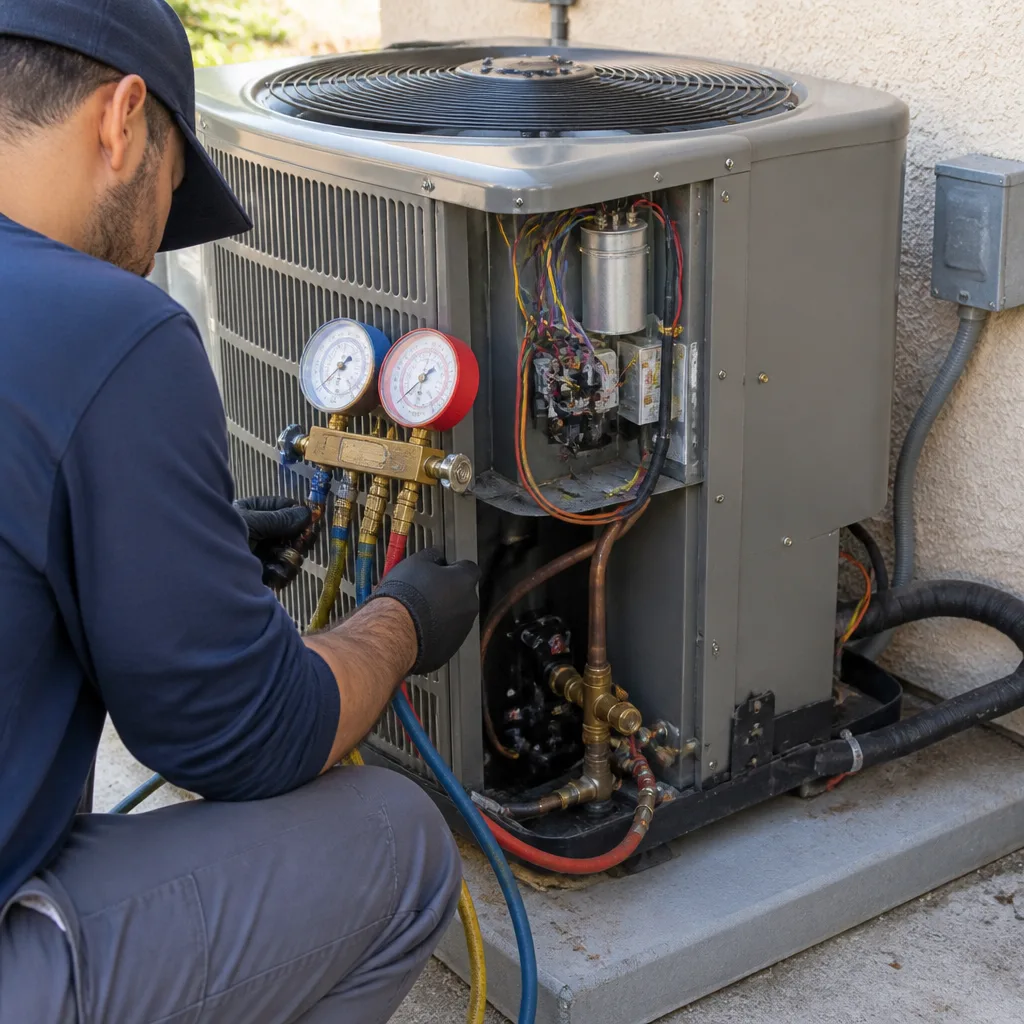
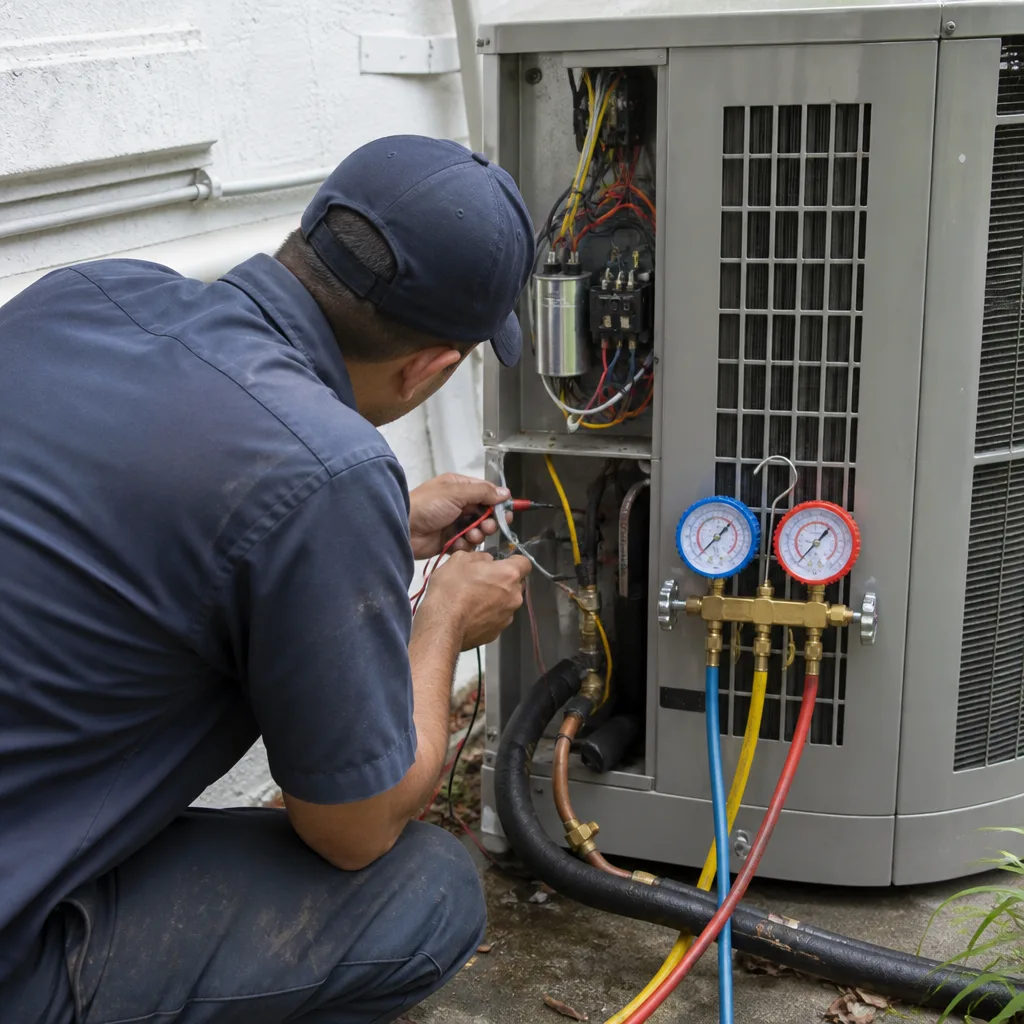
Seasonal tune-up and full diagnostic on your Carrier, Trane, or Goodman system - readings shown to you before any repair is proposed
Diagnosis first, numbers second - you approve the repair price before a single part goes in.
Get your free estimateSeasonal HVAC Care for Fort Lauderdale: Year-Round Homeowner’s Guide
There are roughly eight weeks each year in Fort Lauderdale, late October through mid-November, and again in March, when your AC isn’t running hard and a technician can actually get to your home without a three-day wait. Miss those windows and you’re scheduling maintenance in a crisis. This guide and our Complete Guide to HVAC in Fort Lauderdale explain exactly what to do in each window, what to skip, and why the homes that stay coolest in July are the ones whose owners did unglamorous work in October and March.
Styles & brands we work with
Quick Answer
Seasonal HVAC care in Fort Lauderdale means two maintenance visits per year: one in late October or early November (post-summer inspection) and one in March (pre-summer inspection). Each visit runs $89 to $160 for a standard tune-up from a licensed Fort Lauderdale HVAC company, and the two visits together typically prevent 70% of the repair calls we see between June and September. The single most important task: coil cleaning, because salt air and humidity in Fort Lauderdale coat evaporator coils faster than almost any other climate in the continental U.S.
Table of Contents
- The Real Fort Lauderdale HVAC Calendar (Two Windows, Not Four Seasons)
- The October/November Window: What a Post-Summer Inspection Must Include
- The March Window: What a Pre-Summer Inspection Must Include
- Why Fort Lauderdale’s “Heating Season” Still Matters
- Hurricane Prep as an HVAC Task: Shut Down, Cover, Restart
- The Financial Case: Maintenance vs. Reactive Repair in a 10-Month Cooling Climate
- What a Fort Lauderdale Homeowner Can Safely Do Between Visits
- Common Mistakes to Avoid
- When to Call a Professional
- Frequently Asked Questions
- The Bottom Line
The Real Fort Lauderdale HVAC Calendar (Two Windows, Not Four Seasons)
Fort Lauderdale doesn’t have four HVAC seasons. It has two demanding ones and two narrow maintenance windows. From about mid-April through late October, your system runs nearly constantly, pulling humidity out of air that’s often 85°F and 70% relative humidity or worse. From December through February, it cycles less but still runs, because even a mild winter day here hits the high 70s. The only genuinely light-load periods are late October through mid-November and the month of March. Those are your windows.
Here is the calendar we recommend, month by month:
- January – February: System runs intermittently. Change the air filter monthly. Listen for unusual sounds when the heat strip or heat pump kicks on during cool nights.
- March: Book the pre-summer inspection. This is the single highest-value maintenance action of the year in Fort Lauderdale.
- April – May: System ramps up. Confirm the condensate drain line is clear. Verify the thermostat switches correctly between cooling and any auxiliary heat.
- June – September: Peak cooling load. Change filters every 30 days, not 90. Watch for ice on the refrigerant lines, which indicates low charge or restricted airflow.
- October – November: Book the post-summer inspection. This is also the correct window for repairs that aren’t urgent, since parts availability and scheduling are both easier.
- December: Test the heat function once, even if you rarely use it. A heat pump that fails on a 50°F night is a discomfort problem; a heat strip that fails while you’re away is a frozen-pipe problem in some older Fort Lauderdale homes.
We’ve serviced systems in Victoria Park, Rio Vista, Sailboat Bend, and Coral Ridge, and the pattern is consistent: the homes that get serviced in March and October rarely see a July emergency. The homes that skip those windows call us at 2 a.m. on the hottest night of the year. The difference is eight weeks of scheduling.
The October/November Window: What a Post-Summer Inspection Must Include
A post-summer inspection is not the same checklist as a pre-summer one. After six months of heavy cooling in Fort Lauderdale humidity, your system has accumulated specific wear that a spring tune-up would not catch. Here is what should be on the October/November checklist:
- Evaporator coil inspection and cleaning. The indoor coil has been wet almost constantly since April. That wet surface grabs dust, pet hair, and – in Fort Lauderdale – a fine salt-and-sand mix that blows in from the coast. A fouled coil reduces cooling capacity by 20% or more and drives up your electric bill every single month.
- Condensate drain line flush. The drain line carries away water your system pulls from humid air. Over a Fort Lauderdale summer, that line grows algae and mold, which leads to clogs. A clogged drain triggers a float switch that shuts the system down, usually on a Sunday in August. Flushing it in October prevents that.
- Refrigerant pressure check. Small leaks develop over time, often at brazed joints or schrader valves. A pressure check in October catches a slow leak before it becomes a no-cooling call in July. A refrigerant recharge (topping off the cooling fluid your AC needs to run) runs $180 – $320 in Fort Lauderdale if a leak is found, but catching it early can prevent compressor damage that runs ten times that.
- Capacitor and contactor testing. These electrical components take the most stress during months of daily cycling. A capacitor that reads weak in October can be replaced for $120 – $200. That same capacitor failing in July becomes an emergency call with overtime labor.
- Condenser coil rinse and fin inspection. The outdoor unit in Fort Lauderdale gets hit with salt air, lawn clippings, and leaf debris. Salt accelerates fin corrosion. A thorough rinse and fin comb in November extends condenser life measurably. We’ve seen 8-year-old condensers in Fort Lauderdale that look 20 years old because nobody ever rinsed the salt off.
- Electrical connection torque check. Loose connections heat up, arc, and eventually fail. A ten-minute torque check in October prevents a burned wire and a dead system later.
This is the maintenance visit that saves real money. The AC Repair in Fort Lauderdale calls we get in June and July are disproportionately from homes that skipped their October inspection the previous year.
The March Window: What a Pre-Summer Inspection Must Include
The March inspection prepares your system for the hardest six months of the year. It assumes the unit has been lightly used for three months and may have developed issues that were masked by low load. The checklist is different from October’s:
- Full system startup test for cooling mode. This seems obvious, but many Fort Lauderdale homeowners skip it because “the AC worked last year.” Every spring, we find systems that cooled fine in October and have failed since – a capacitor that died over winter, a contactor that corroded, a refrigerant leak that finally dropped below the pressure switch threshold.
- Heat strip/heat pump reverse-cycle test. The same system that heats and cools must be tested in both modes. A reversing valve that sticks in one position means no heat on the 15 – 20 chilly nights per year, and sometimes no cooling when the season turns.
- Filter replacement and airflow measurement. Restricted airflow is the most common cause of frozen evaporator coils in Fort Lauderdale. A March airflow check catches undersized ductwork, dirty blower wheels, and collapsed flex duct before they cause a mid-summer freeze-up.
- Drain pan inspection and float switch test. The drain pan catches overflow; the float switch shuts the system off if the drain backs up. Testing both in March means testing them under dry-season conditions, when problems are easier to spot and fix without emergency pressure.
- Thermostat calibration and battery check. A thermostat that’s off by 3°F costs you money every single day. This is $0 to fix but rarely checked until someone notices the room feels wrong.
- Outdoor condenser pad leveling and clearances. Fort Lauderdale soil shifts, especially in older neighborhoods like Shady Banks or Melrose Park where fill dirt has settled over decades. An unlevel condenser stresses the compressor mounts and oil distribution. You want the unit level and the coil clear of vegetation by at least 18 inches on all sides.
We recommend scheduling the March visit in February. By March, every HVAC company in Fort Lauderdale is booked out two to three weeks. If you call in March for a March appointment, you may not get one until April, and April is when the system starts working hard again. If you are looking for a new system, AC Installation in Fort Lauderdale has its own scheduling rhythm, and a March consultation gives you the most options for manufacturer rebates and install dates before the summer rush.
Why Fort Lauderdale’s “Heating Season” Still Matters
Fort Lauderdale gets about 15 to 20 nights per year below 60°F, concentrated in January and early February. That’s not cold by northern standards, but it is exactly when a heat pump that hasn’t been checked reverses cycle and fails. The reverse valve – the component that switches a heat pump from cooling to heating – sits idle for ten months a year in this climate. Valves that sit idle corrode, stick, and seize. When the first cold front drops temperatures into the 50s and you flip the thermostat to heat for the first time since last winter, that’s when you discover the valve is stuck.
A heat strip on a standard air handler functions as backup or supplemental heat. If the heat pump is a Lennox or Goodman unit with an electric heat kit, and the heat kit fails, you may not notice until the coldest night of the year. That failure is exactly why we test heat function during both maintenance visits, not just in winter.
There’s a second reason heating matters in Fort Lauderdale: humidity. On a 55°F damp night, the air feels colder than 55°F. Many homes here use the heat function not for extreme cold but to take the damp chill out of the air for a few hours in the morning. If your heat doesn’t work, you’re not freezing; you’re uncomfortable in a way that makes a January morning feel like a March morning in Boston.
The fix for most heat failures is straightforward. A reversing valve replacement runs $300 – $650 depending on the system. A heat strip replacement runs $150 – $350. What’s expensive is the after-hours service call at 6 a.m. on the first cold morning when you discover the heat is dead. That’s the call we answer, 24 hours a day, 7 days a week, with a live person. But we’d rather the heat worked the first time you asked for it.
Hurricane Prep as an HVAC Task: Shut Down, Cover, Restart
In Fort Lauderdale, hurricane prep is a legitimate HVAC maintenance task, and most homeowners skip it. The mistakes we see after every named storm are consistent: condensers that were never shut down before the storm, units that were “covered” with a tarp that trapped moisture and caused corrosion, and systems restarted too soon after flooding.
Here is the correct sequence, based on manufacturer guidance for Rheem, York, and other major brands:
- Before the storm: Shut off the HVAC system at the thermostat and at the breaker or service disconnect. Do not rely on the thermostat alone – a power surge can backfeed through the control board. The service disconnect is typically a gray box on the wall near the outdoor condenser.
- If you cover the condenser: Use a purpose-built condenser cover or a breathable cover that does not seal against the ground. Never use a plastic tarp strapped tight – it traps condensation and accelerates salt corrosion. The cover is to stop flying debris, not to waterproof the unit. A condenser is already weatherproof.
- If you evacuate or lose power: Leave the system off. Do not run a portable generator to power the central AC unless the generator is sized for the starting load of the compressor, which most residential portables are not.
- After the storm, before restarting: Inspect the outdoor unit for standing water. If the condenser sat in floodwater over the compressor terminals, do not restart it. Call a licensed HVAC technician. Restarting a flooded compressor usually destroys it.
- Check for debris obstruction: Palm fronds, roof tiles, and insulation get wedged into condenser coils during hurricanes. Clear visible debris gently, then check the coil with a flashlight for embedded material that will restrict airflow.
- Restart sequence: Turn on the service disconnect, then the thermostat, then set the system to cool. Listen for twenty seconds. A grinding, buzzing, or humming sound that doesn’t resolve means something got damaged in the storm – shut it down and call a pro.
One more Fort Lauderdale-specific note: after a hurricane, HVAC companies are swamped with calls, and the wait for a technician can stretch for days. The homeowners who shut down correctly before the storm, covered sensibly, and restarted per the sequence above are the ones who don’t need to be on that list.
The Financial Case: Maintenance vs. Reactive Repair in a 10-Month Cooling Climate
Your AC in Fort Lauderdale runs more hours per year than an AC in New York, Chicago, or even Orlando. A system here can log 3,500+ run-hours annually. The harder a system runs, the more important scheduled maintenance becomes. The math is straightforward.
What scheduled maintenance costs in Fort Lauderdale
- Standard seasonal tune-up: $89 – $160 per visit, depending on the company and the system’s condition.
- Dual-season maintenance plan (two visits per year): $150 – $280 annually, which is typically less than the cost of two individual tune-ups.
- Filter replacements (homeowner-supplied): $8 – $20 per filter, changed monthly during peak seasons.
What reactive repairs cost, from our Fort Lauderdale service data
- Capacitor replacement (emergency): $180 – $350, including the after-hours labor.
- Condensate drain clog service call: $100 – $250.
- Refrigerant leak repair and recharge: $350 – $900, depending on leak location and refrigerant type (R-410A is now standard; older R-22 systems can run higher).
- Compressor replacement (not covered): $1,800 – $3,200 on average. Most compressor failures are preventable with regular maintenance, particularly coil cleaning and refrigerant pressure checks.
- Emergency after-hours service call fee (before repair): $75 – $200, and that’s just to get the technician to your door.
Two maintenance visits a year cost roughly $250 to $300 total. One emergency compressor failure costs roughly $2,500. Even a single avoided emergency in five years pays for a decade of scheduled maintenance. That’s before accounting for the lower electric bills from a clean coil and correct refrigerant charge, which in Fort Lauderdale’s climate typically saves $15 – $30 a month during cooling months.
There’s a second financial argument: longevity. A maintained system in Fort Lauderdale typically lasts 12 – 15 years. An unmaintained system in the same climate often fails at 8 – 10 years, killed by salt corrosion, clogged coils, and the accumulated stress of running hot and dirty. When it fails early, you’re not just buying a repair – you’re accelerating a full AC installation by four or five years, which runs $6,000 – $12,000 for a typical Fort Lauderdale home. That’s the real cost of skipping maintenance.
What a Fort Lauderdale Homeowner Can Safely Do Between Visits
There are things you can do yourself between the two professional maintenance visits. None of these involve opening the sealed cabinet or touching refrigerant or electrical components, which you should leave to a licensed technician. Leave high-voltage work and refrigerant handling to professionals – this equipment carries enough current to injure or kill, and refrigerant is federally regulated.
- Change the air filter monthly during cooling season. In Fort Lauderdale, monthly is the right cadence from April through October. The humidity and constant runtime clog filters faster than manufacturer “90 day” guidance assumes. A clogged filter restricts airflow, which causes evaporator coil freeze-up, which causes water damage when the coil thaws.
- Clear vegetation away from the outdoor condenser. Keep an 18-inch clearance on all sides, speaking from what we see repeatedly in the tight lots of southeast Fort Lauderdale, where condensers sit close to hedges. Trim back anything that touches the coil guard.
- Check the condensate drain line monthly. Pour a cup of white vinegar down the drain line access point every month during summer. The vinegar slows algae and mold growth. If you prefer a commercial product, use one labeled for HVAC drain lines.
- Listen. Stand next to the outdoor unit while it runs. Normal operation is a steady hum and an air whoosh. A squeal means a failing fan motor. A rattle means a loose panel or a failing compressor mount. A buzzing that doesn’t quiet means an electrical issue. If you hear any of these, call a professional before it becomes a failure.
- Inspect visible ductwork in the attic or garage. Look for obvious disconnections, crushed flex duct, or torn insulation. In Fort Lauderdale’s humidity, exposed cold duct surfaces sweat, and that sweat drips onto drywall and insulation. Duct leaks also pull hot attic air into the system, which raises your cooling cost.
- Check the thermostat battery twice a year. Do it when you change your smoke detector batteries. A dead thermostat battery means no heating and no cooling, and it’s the most avoidable service call in the industry.
Keep a small maintenance log. Note the dates you change filters, the dates of professional visits, and any symptoms you observe. When a technician shows up, that log is worth more than a description of “it’s been making a noise for a while.” The log tells us how long, how often, and under what conditions.
Common Mistakes to Avoid
- Skipping the March tune-up because “it worked last summer.” Last summer ended in October. That’s six months of idle or light-load time for parts to corrode, capacitors to weaken, and refrigerant to leak. The March visit is when those problems get caught before they strand you in August.
- Treating a dirty air filter as a minor issue. A clogged filter in Fort Lauderdale’s summer causes evaporator coil ice, which causes liquid refrigerant to reach the compressor, which is one of the few conditions that can destroy a compressor in a single season. A $12 filter protects a $2,000 component.
- Rinsing the condenser coil with a pressure washer. High-pressure water bends the aluminum fins, which permanently restricts airflow. Use a garden hose at normal pressure with a coil-cleaning solution, or let your technician do it during the April or October visit.
- Covering the outdoor condenser with a plastic tarp during hurricane season. The tarp traps moisture and accelerates corrosion, and a tarp strapped tight gets torn by wind anyway. If you cover, use a breathable purpose-built cover and let condensation escape.
- Ignoring a small refrigerant leak because the AC still cools. A system that’s a pound low on refrigerant still cools, but the compressor runs hotter and the system works harder. A $350 leak repair now becomes a $2,500 compressor replacement later. Low refrigerant also causes the evaporator coil to ice, which leads to water damage in the closet or utility room.
- Assuming a furnace/air handler in a closet needs no attention. Fort Lauderdale homes often have air handlers in a closet, utility room, or attic. Those units still need air filter changes and drain line maintenance, and in the attic, the heat and humidity accelerate wear on the control board and blower motor. An annual check of the indoor unit is as important as the outdoor unit.
- Waiting until the first hot day to schedule maintenance. In Fort Lauderdale, when the first 90°F day hits in late April or early May, every HVAC company’s phone rings off the hook. You will wait. And any problem found in that visit becomes urgent by default, because the system is already under full load. Schedule in March; beat the rush.
When to Call a Professional
Call a professional when you hear a sound you’ve never heard before, when the system runs but doesn’t cool, when ice appears on the refrigerant lines or indoor coil, when water appears around the air handler, when your electric bill jumps without a change in usage, or when the system short-cycles – turning on and off every few minutes. These are not DIY diagnoses. In our experience, the longer a small problem runs, the more expensive the fix becomes, and in Fort Lauderdale’s heat and humidity, the margin for error is measured in hours, not days. Cold Harbour Heating and Air Fort Lauderdale offers free estimates in Fort Lauderdale; call (754) 354-7289 and a real person will answer.
Frequently Asked Questions
Twice a year – in March and in October or November. That’s the correct annual rhythm for a climate where the system cools for ten to eleven months. Two visits a year catches season-specific wear that an annual visit misses, and the cost of the second visit is less than one emergency call. Call (754) 354-7289 for Fort Lauderdale maintenance pricing.
A standard tune-up runs $89 – $160 per visit, or $150 – $280 per year for a two-visit maintenance plan. That price should include coil cleaning, drain line flush, electrical checks, refrigerant pressure testing, and a written report of what the technician found. Estimates are free at Cold Harbour Heating and Air Fort Lauderdale, and the written price is handed to you before any work begins.
Yes, and the evidence in Fort Lauderdale is consistent: the majority of compressor failures and emergency calls we see come from systems that haven’t been maintained in years. Coil cleaning, refrigerant pressure checks, and electrical connection torquing catch the failures that become $2,000+ repairs. The maintenance cost is a fraction of the repair cost, and the guarantee on our maintenance work is written, not verbal.
You should shut it off at the breaker and at the service disconnect, and if you cover it, use a breathable cover designed for HVAC equipment. A plastic tarp traps moisture and accelerates salt corrosion on the aluminum fins. After the storm, check for floodwater and debris before restarting. If the unit sat in floodwater, call a professional before turning it on. Call (754) 354-7289 for a post-storm inspection in Fort Lauderdale.
The two most common causes in Fort Lauderdale are a clogged air filter (restricted airflow) and low refrigerant charge. Both cause the evaporator coil temperature to drop below freezing, and the coil ices over even while the outdoor air is 90°F. Turn the system off and let the ice thaw, then call a technician. A frozen coil left running can slug the compressor with liquid refrigerant, which is one of the quickest ways to destroy it.
Yes. For situations where a system has failed in extreme Fort Lauderdale heat, we prioritize same-day service, and our phones are answered by a live person 24 hours a day, every day. The 365-Day Done Right Promise covers every repair: if a repair fails within a full year, we return and correct it at no charge. Call (754) 354-7289 and speak to a person, not a voicemail tree.
For a deeper look at the systems behind this guide, see our Cold Harbour Heating and Air Fort Lauderdale home page, or read more about Furnace Repair in Fort Lauderdale for the heating side of the equation.
The Bottom Line
Fort Lauderdale HVAC care succeeds or fails in two windows: March and October/November. Schedule both. During each visit, insist on specific tasks, not a checklist that says “inspected” without detail: coil cleaning, drain line flush, refrigerant pressure check, capacitor testing, and a written report. Change your filter monthly during summer. Prepare your condenser for hurricane season correctly. Treat heating as a real system, not an afterthought. A $250 annual maintenance habit is the cheapest insurance you’ll ever buy against a $2,500 emergency, and in a climate where your AC runs 3,500 hours a year, it’s not optional. For more guides & resources, visit our blog. It’s arithmetic.
Written by Victor Mancini, Owner at Cold Harbour Heating and Air Fort Lauderdale, serving Fort Lauderdale since 2003.
See the difference
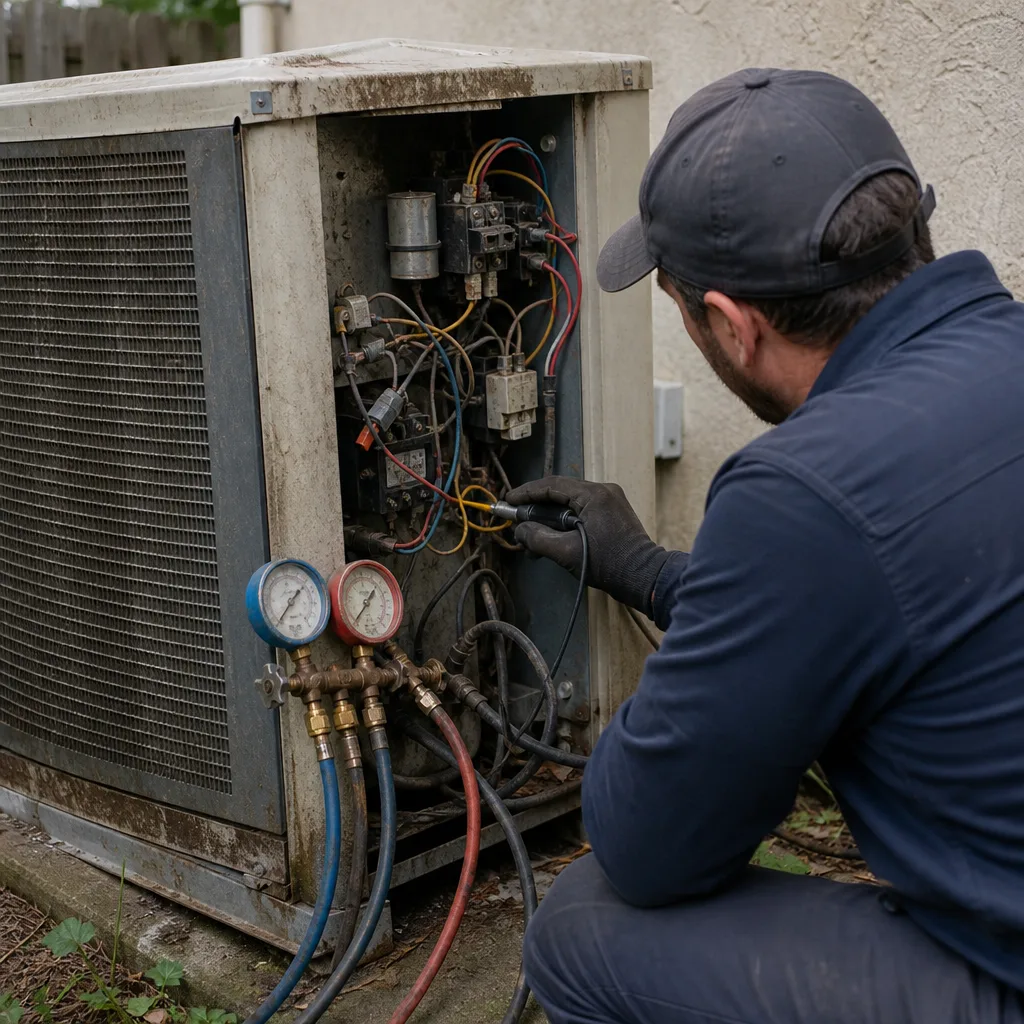 Before
 After
After Before
 After
After Before
 After
After