
Last updated October 16, 2026
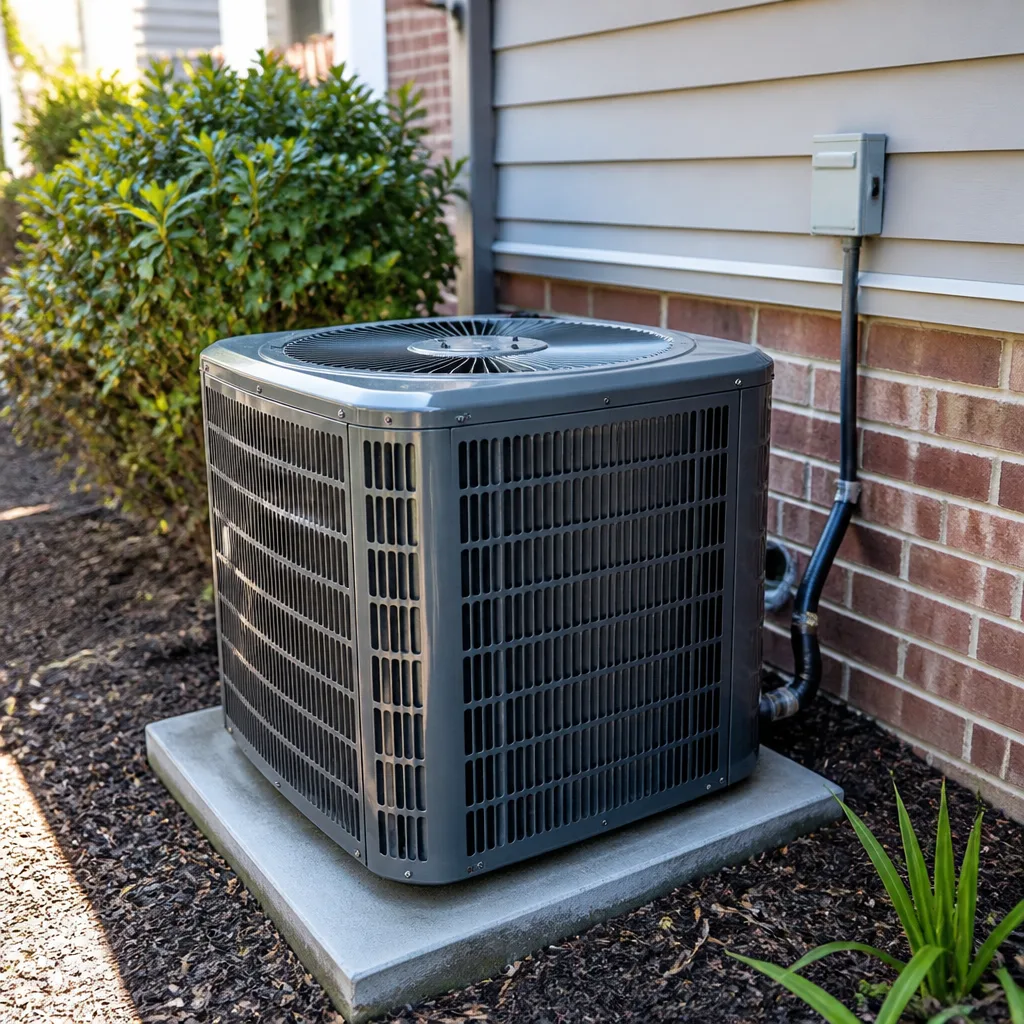 AC repair
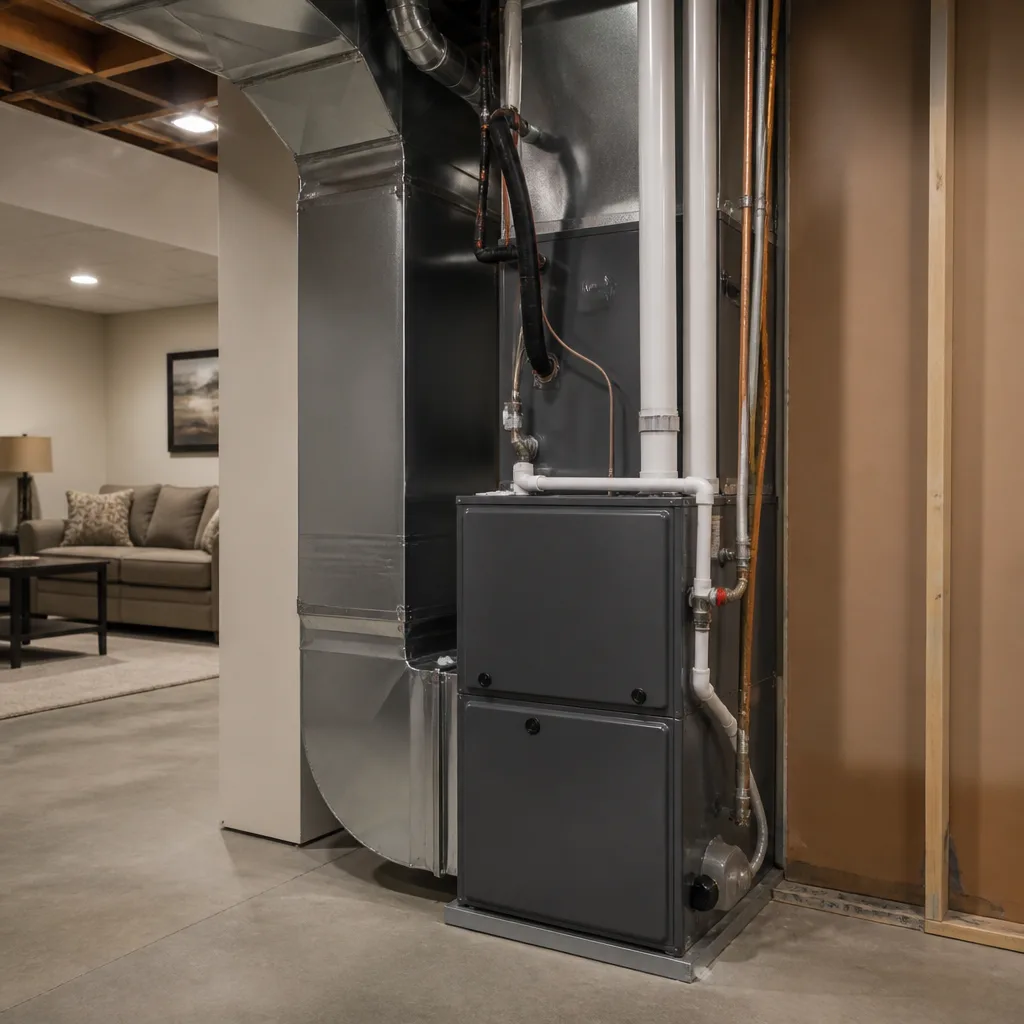 Furnace & heating
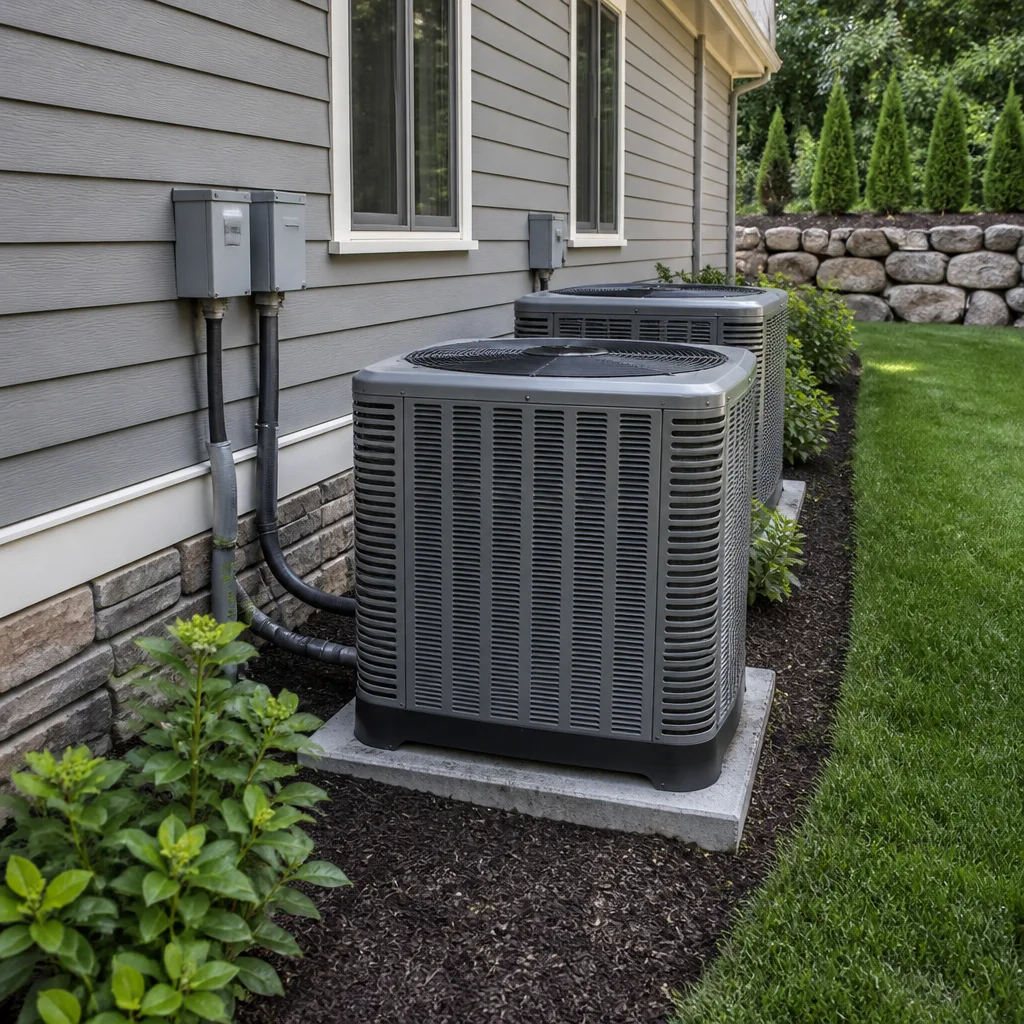 Heat pumps
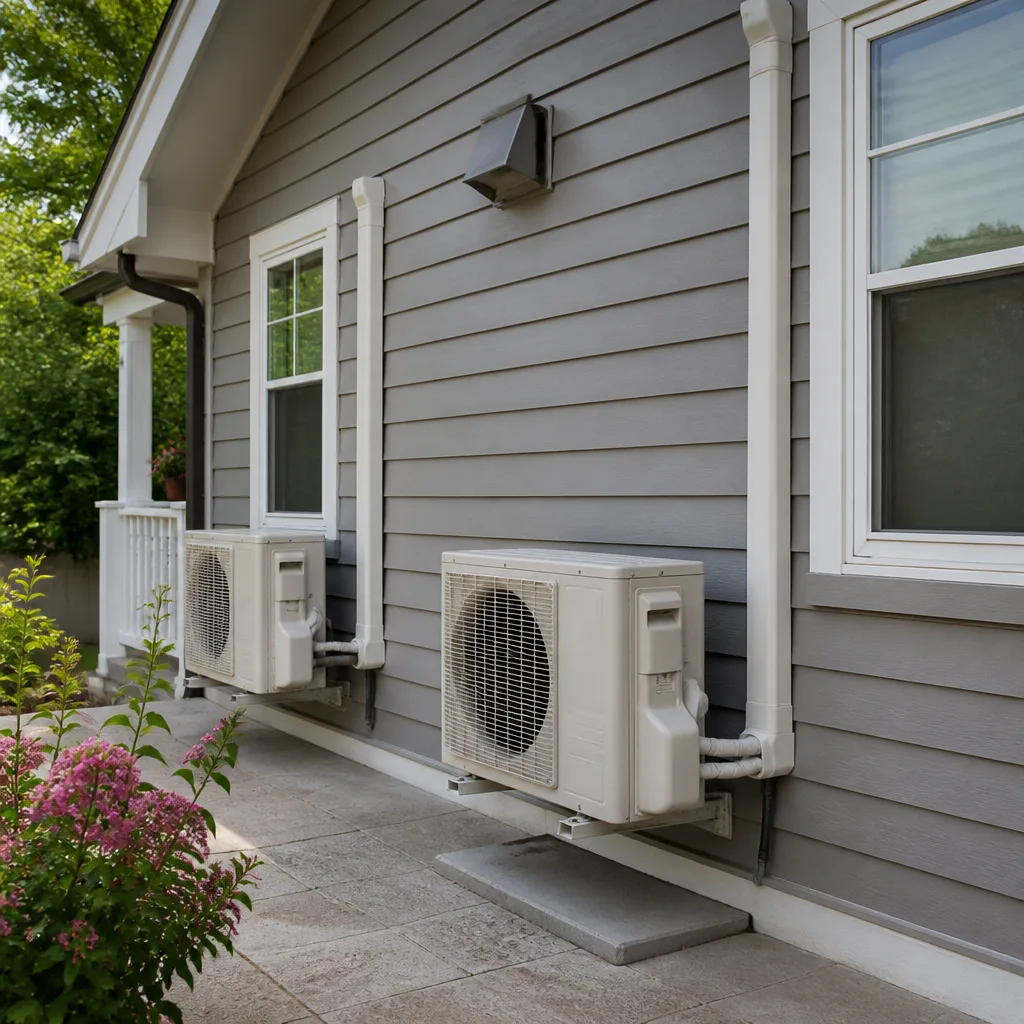 Ductless mini splits
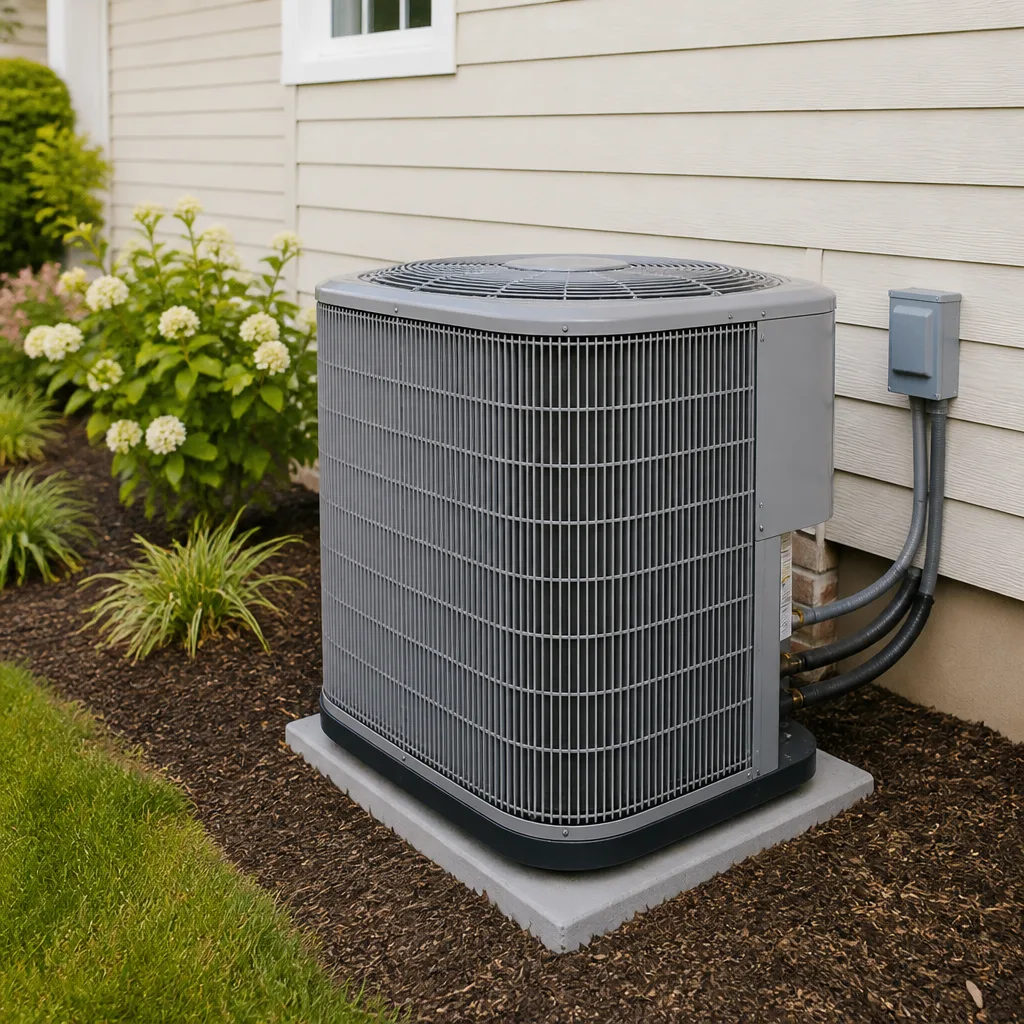 Carrier
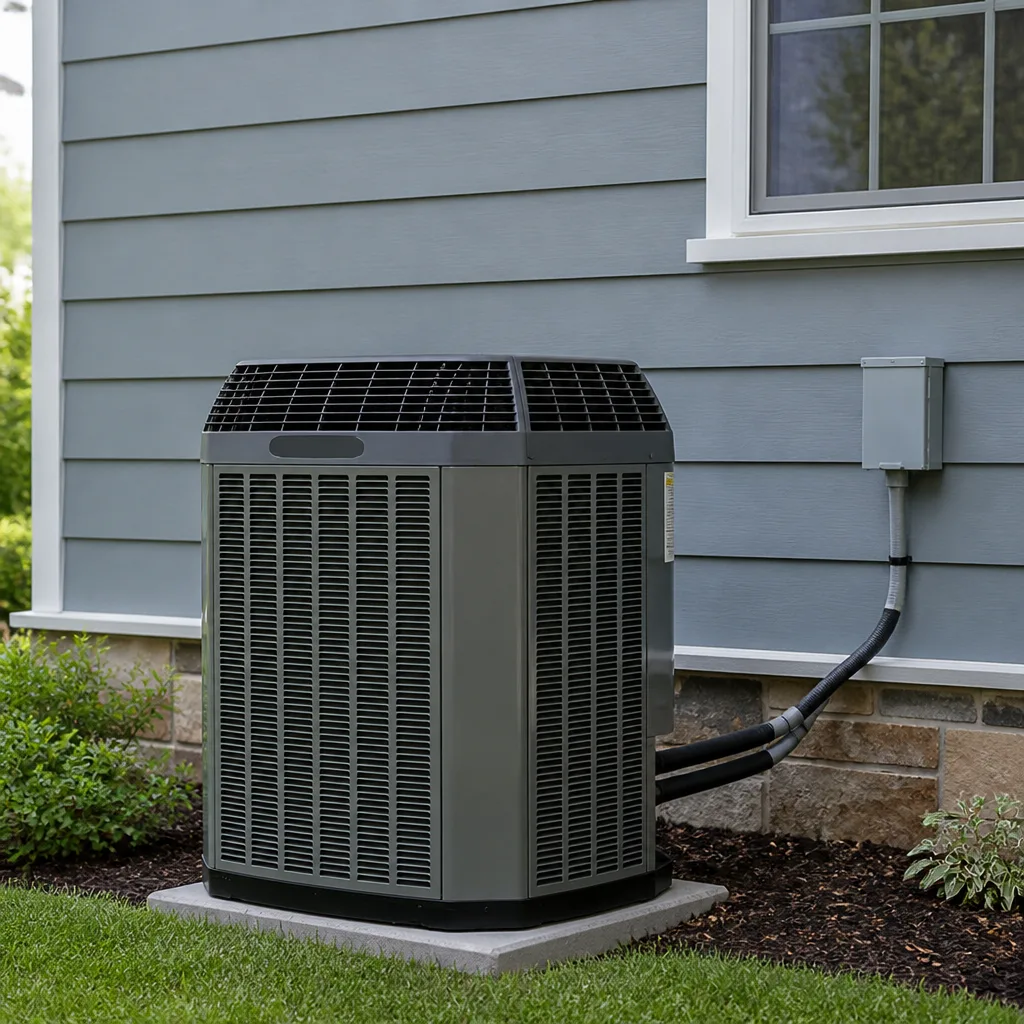 Trane
Trane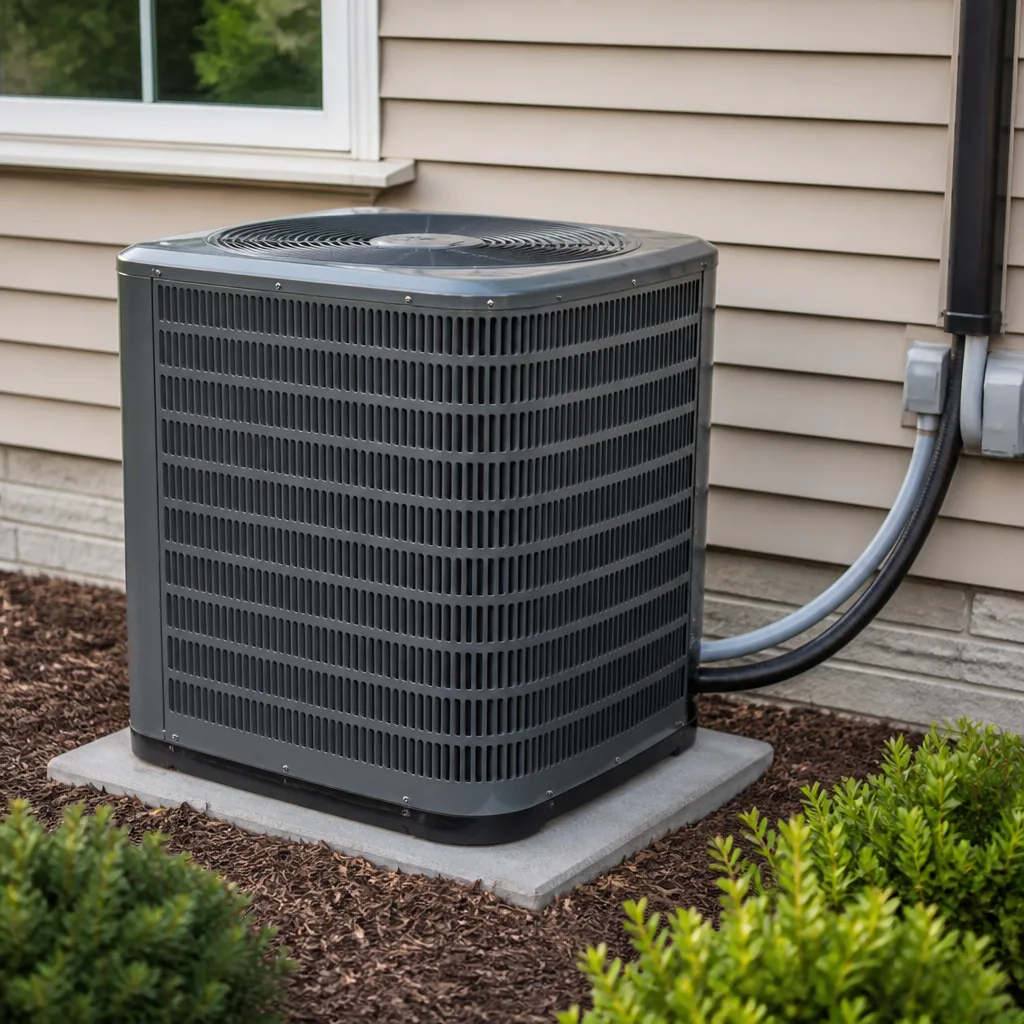 Goodman
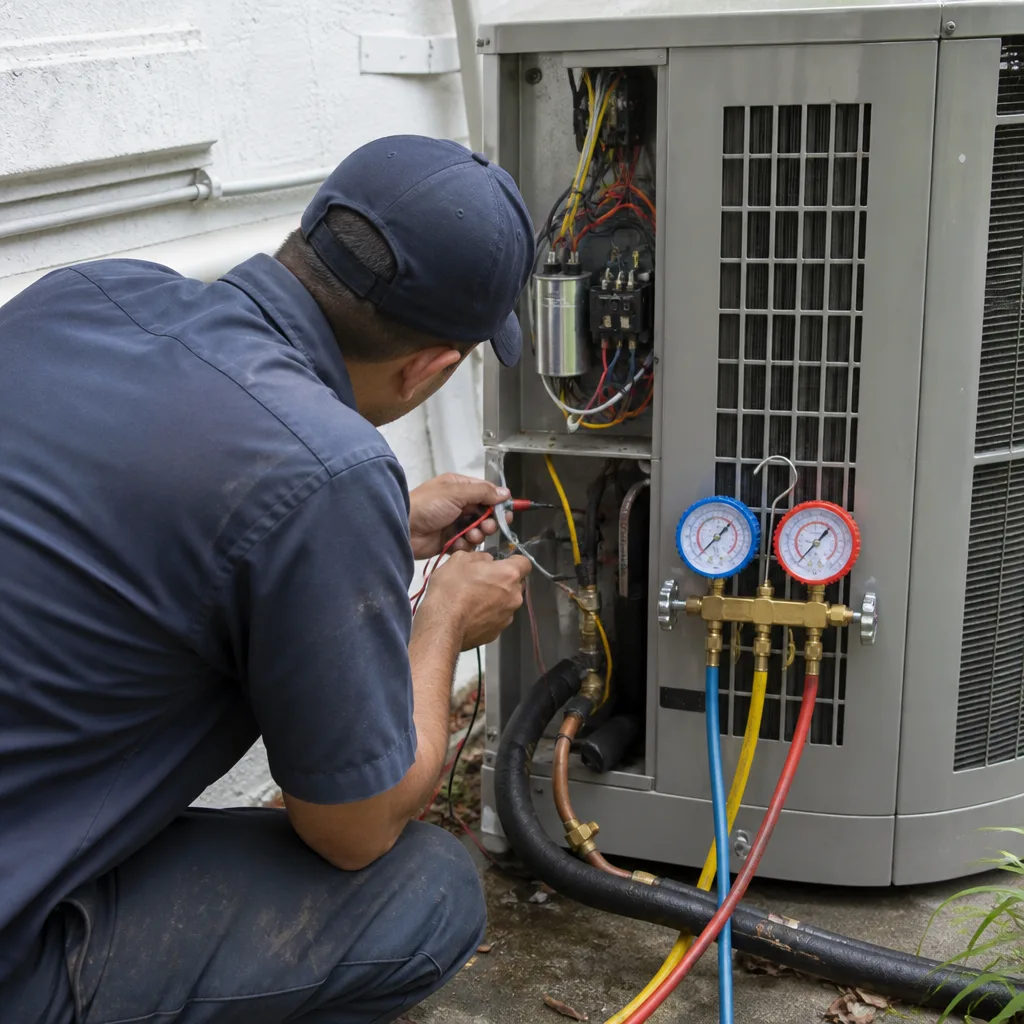
Seasonal tune-up and full diagnostic on your Carrier, Trane, or Goodman system - readings shown to you before any repair is proposed
Diagnosis first, numbers second - you approve the repair price before a single part goes in.
Get your free estimateHVAC Permits, Codes & Inspections in FL: What You Need to Know
A homeowner in Deerfield Beach had a $14,000 water-damage claim denied. The adjuster’s letter cited one thing: the replacement AC unit installed two years earlier had no Broward County mechanical permit on file. Her drain pan overflowed while she was at work. The insurance company called it an unpermitted installation, denied the claim, and left her holding the bill. That is not a rare story in Fort Lauderdale. This guide explains what Florida actually requires, how permitting protects you financially, and exactly how to navigate the Broward County process without losing a week of your life or a claim you paid premiums for. For more guides & resources on protecting your home, see our blog.
Quick Answer
In Florida, nearly every HVAC job, including a like-for-like replacement, requires a mechanical permit pulled by a state-licensed contractor, followed by a county or city inspection. The permit creates a public record of the work, and that record is what your homeowner’s insurance company checks when you file a claim. A missing permit can void coverage on anything connected to the unpermitted equipment.
Styles & brands we work with
Table of Contents
- What Permits Does an HVAC Job Actually Require in Florida?
- The Broward County Mechanical Permit Process, Step by Step
- Florida Building Code Section 1502 and Why Equipment Sizing Matters
- The Owner-Builder Exemption: What You Can and Cannot Do Yourself
- How to Verify a Permit Was Actually Pulled and Inspected
- Why Permits Matter to Your Homeowner’s Insurance Claim
- What Permits Cost and How Long They Take in Fort Lauderdale
- Common Mistakes to Avoid
- When to Call a Professional
- Frequently Asked Questions
What Permits Does an HVAC Job Actually Require in Florida?
Florida treats HVAC work differently from most of the country. In many states, swapping an old AC for a new one of the same size and type is considered a repair, and no permit is needed. Florida does not make that distinction. A mechanical permit is required for a like-for-like replacement, a full system changeout, new ductwork, and most equipment relocations. The only routine exceptions are things that do not alter the system itself: changing a thermostat, replacing a capacitor, swapping a contactor, or cleaning the condensate line.
Here is the plain breakdown of what needs a permit in Broward County:
- Like-for-like condenser or air handler replacement: Yes, permit required, even if it is the exact same model and size.
- Full system replacement (condenser + air handler or furnace): Yes, permit required.
- Ductwork modification or replacement: Yes, permit required, because duct sizing affects equipment performance and airflow.
- New system installation on a home that never had central air: Yes, permit required, and it typically triggers additional plan review because you are adding a system, not replacing one.
- Relocating equipment (moving a condenser from one side of the house to the other): Yes, permit required.
- Minor electrical or refrigerant repairs that do not change the equipment: Generally no permit, but the contractor still has to be licensed.
The reason Florida is stricter goes back to Hurricane Andrew. When the state rewrote its building code in 2001, it made equipment anchoring, elevation, and wind resistance part of the inspection scope. An AC condenser that is not anchored properly becomes a projectile in a Category 3 storm. A permit means an inspector checked that detail. No permit means nobody knows, and if the unit becomes a projectile that breaks a window and floods a house, the insurance company has a reason to walk away. We see unpermitted installs in neighborhoods across Fort Lauderdale, from Victoria Park to Riverland to Sailboat Bend, and the story ends the same way every time: the homeowner paid for the work, nobody checked it, and the insurance company found the gap later. These are the kinds of problems covered in our HVAC Warning Signs: A Fort Lauderdale Homeowner’s Reference Guide.
The Broward County Mechanical Permit Process, Step by Step
The process sounds bureaucratic, but it is honestly not that complicated if you know the order. In practice, the contractor handles almost all of it. The homeowner’s job is to make sure the contractor actually did it. Here is the sequence for a typical AC replacement in Fort Lauderdale:
- The contractor files the permit application. In Broward County, contractors file online through the ePermits system. The application includes equipment details, model numbers, BTU rating, refrigerant type, and the homeowner’s address and parcel number.
- Plan review happens, or it is waived. For a like-for-like swap on a single-family home, Broward typically waives full plan review. The permit is issued quickly, often the same day. For a new system, ductwork changes, or anything that changes the electrical load, the county routes the application to a reviewer, which can add a day or two.
- The permit is issued and the fee is paid. Fees depend on the scope, which we cover below. The permit is issued in the contractor’s name, not the homeowner’s name, because the contractor carries the required license and insurance.
- The work is performed. The contractor installs the equipment to Florida Building Code and manufacturer specifications.
- The contractor schedules the inspection. Broward requires a final inspection on most mechanical permits. The inspector checks the equipment location, anchoring, electrical disconnect, condensate drainage, and refrigerant line protection.
- The inspector passes or fails the job. If it passes, the permit is closed and becomes part of the permanent record for the property. If it fails, the contractor corrects the issue and schedules a reinspection. A failed inspection is not a disaster, but it does mean the job is not legally complete until the reinspection passes.
One thing that catches people off guard: the inspection is scheduled by the contractor, not the county. If a contractor says the job is done but cannot show you a passed inspection, the job is not done in a legal sense. We have corrected work in Fort Lauderdale where the equipment ran fine, but the permit was never closed because the contractor never called for the inspection. That open permit becomes a problem the next time you sell the house or file a claim.
Florida Building Code Section 1502 and Why Equipment Sizing Matters
Florida Building Code Section 1502 governs HVAC equipment sizing. The short version: you cannot just guess the size of an AC unit. The code requires the contractor to use a load calculation, typically Manual J from ACCA, to determine how many BTUs of cooling the home actually needs. The calculation accounts for square footage, ceiling height, window area and orientation, insulation levels, and local climate data. Proper sizing and seasonal upkeep are covered in our Seasonal HVAC Care for Fort Lauderdale: Year-Round Homeowner’s Guide. Fort Lauderdale’s climate, specifically the summer wet-bulb temperature, is baked into the calculation because our equipment runs in high humidity for eight months of the year.
Why does this matter to a homeowner? Because an oversized unit is a code violation, but it also fails in a specific, predictable way. A unit that is too large cools the air so fast that it shuts off before it has run long enough to remove humidity. The result is a house that feels cold and clammy at the same time, mold showing up on ceilings and vents, and an electric bill that is higher than it should be. We have seen this in older Fort Lauderdale homes with original ductwork: a contractor slaps in a 4-ton unit where a 3-ton would be right, the homeowner thinks bigger equals better, and within two summers there is condensation staining the ceiling register.
The inspection is supposed to catch this. When a Broward County inspector reviews a mechanical permit for replacement equipment on new ductwork, part of the review is checking that the equipment size matches the load calculation. For a straightforward like-for-like swap, the county will often accept the existing size without a new calculation, but that is also why swapping in a bigger unit without a permit is doubly risky: you are breaking the code and you may be creating a humidity problem nobody will catch until the damage is done.
The Owner-Builder Exemption: What You Can and Cannot Do Yourself
Florida law has an Owner-Builder exemption that lets a homeowner pull a permit on their own property without a contractor’s license. It exists for people who genuinely want to act as their own general contractor, and it covers HVAC work in theory. In practice, using the Owner-Builder exemption on an HVAC install is a terrible idea for almost everyone, and here is why.
When you pull an Owner-Builder permit, you are legally signing that you are performing the work yourself or directly supervising whoever does it. You take on full liability for the installation. If the unit is installed incorrectly and causes water damage, the liability is yours, and your insurer may treat it exactly the same as if you had done the work without any permit at all. You also cannot legally hire a licensed HVAC contractor to do the work under your Owner-Builder permit and expect them to warranty it; the contractor’s bond and insurance do not extend to work done under a permit that is not in their name.
The narrow exception is work that involves no refrigerant, no electrical changes, and no gas line modifications. But even then, the Florida Department of Business and Professional Regulation takes the position that any activity that falls under the statutory definition of HVAC contracting, including changing out a condenser, requires a licensed contractor. A homeowner who pulls an Owner-Builder permit for an AC replacement and installs it themselves is making a bet that nothing will ever go wrong with the unit, the condensate line, or the electrical disconnect. That is a bad bet in a climate where an AC runs 3,000 hours a year.
The smart version of DIY is to know what a proper install looks like and to hold a licensed contractor to that standard. You do not need to do the work yourself to protect yourself. You need a written permit, a written price, and a passed inspection.
How to Verify a Permit Was Actually Pulled and Inspected
You can check a permit in Broward County in about five minutes without leaving your house. The county’s ePermits portal is public, and it lets you search by address or by permit number. Here is the plain walkthrough:
- Go to the Broward County ePermits OneStop portal. It works on a phone, but it is easier to use on a desktop browser.
- Search by your property address. Enter the street number and street name exactly as it appears on your property tax bill. Do not include the city or ZIP; the portal sometimes chokes on extra fields.
- Look for the mechanical permit. Permits are listed by type. The one you want will say something like “MECH” or “Mechanical” with a description like “AC replacement” or “air handler changeout.”
- Check the status. A closed permit with a passed final inspection is what you want. If the status says “issued” but there is no inspection record, the work was never inspected. If the status says “expired,” the permit was pulled but never completed.
- If you find nothing, call the Broward County Building Code Division. A live person at the county can confirm whether a permit exists. If it does not, the work was done without a permit, full stop.
This check is worth doing after any installation you did not personally oversee, even if you trusted the contractor. It is also worth doing before you buy a home. A title search will not reliably surface open or missing mechanical permits. The ePermits portal will. We have walked Fort Lauderdale homebuyers through this exact lookup after a home inspection, and more than once it has turned up an open permit from a seller’s AC changeout five years earlier. An open permit does not necessarily kill a sale, but you want to know about it before the closing table, not after.
Why Permits Matter to Your Homeowner’s Insurance Claim
The Deerfield Beach story at the top of this guide is not an outlier. Insurance carriers in Florida are aggressive about unpermitted work because they have paid out billions in hurricane and water-damage claims over the last two decades, and they are looking for reasons to reduce exposure. An unpermitted HVAC installation is one of the easiest reasons for an adjuster to find.
The Florida Office of Insurance Regulation allows policies to contain exclusions for damage caused by, or made worse by, work that was not performed to code or without required permits. The logic is simple: a permitted and inspected installation has a paper trail that proves the work met the Florida Building Code at the time it was done. An unpermitted installation has no such proof. When a drain pan overflows, a condenser vibrates loose, or a refrigerant line rubs through and leaks, the adjuster looks for the permit. If the permit is not there, the argument shifts from “what happened to your system” to “you had unpermitted work in your home, and the damage is connected to that work.”
The practical takeaway is this: the $200 or so a mechanical permit costs in Broward County is the cheapest insurance premium you will ever pay on your HVAC system. It protects the equipment install, it protects the claim, and it protects the resale value of the house. The alternative is a system that works fine for years and then becomes the reason a $10,000 or $30,000 claim gets denied.
What Permits Cost and How Long They Take in Fort Lauderdale
Mechanical permit fees in Broward County are based on the valuation of the work. For a typical like-for-like AC replacement, the permit fee is usually in the $85 to $250 range, depending on the equipment and scope. Add ductwork or a new system, and the fee moves toward $300 to $500. These fees are typically bundled into the contractor’s quote, but a reputable contractor will itemize them. If a contractor in Fort Lauderdale will not tell you what the permit fee is, that is a flag, and if a quote seems too cheap, the permit is often the line item that got quietly dropped.
Timeline is reasonable. For a like-for-like swap, the permit can be issued the same day it is filed, and the inspection can often be scheduled within one to two business days of the contractor calling it in. A system replacement with ductwork changes and plan review adds two or three days. New system installation in a home that never had central air can take a week or more for plan review because there is more to check: electrical panel capacity, structural anchoring, and duct design.
One distinction worth understanding: getting the permit issued is not the same as getting the inspection passed. A contractor can hand you a permit number the day the job starts, but until the county inspector signs off, the permit is an open legal item. A complete job in Fort Lauderdale means: equipment installed, permit closed, inspection passed, paperwork in your hand. That is the standard we hold ourselves to, and it is what you should hold any contractor to.
Common Mistakes to Avoid
- Believing a like-for-like swap does not need a permit. This is the most expensive assumption in Florida HVAC. A permit is required even when the new unit is identical to the old one, and insurance adjusters know that.
- Choosing a contractor based on price alone and not asking about the permit. The contractor who does the job $600 cheaper usually did it cheaper because they skipped the permit, the inspection, or both. You are not saving $600; you are trading it for future claim risk.
- Installing an oversized unit. It is a Florida Building Code violation and a recipe for humidity problems. Bigger is not better when it comes to AC sizing in Broward County’s saturated summer air.
- Assuming the contractor handled the permit when they did not. The permit is issued in the contractor’s name, but the legal consequences fall on the property owner. Ask for the permit number before work starts and verify it on ePermits.
- Not confirming the inspection was passed. An open permit is an unresolved legal item that can complicate a future home sale or insurance claim. Ask for the passed inspection record, and check it on the portal yourself.
- Falling back on the Owner-Builder exemption for an AC changeout. It shifts liability to you and strips away the contractor’s bond and insurance. The exemption exists for real owner-builders, not as a way to avoid a $150 permit fee.
When to Call a Professional
If you are replacing any part of your HVAC system, you need a state-licensed contractor to pull the permit, perform the work, and schedule the inspection. That is not a suggestion; it is what Florida law requires, and it is the only way the work is covered legally and by warranty. If you are buying a home and the inspection turns up an HVAC system that was replaced recently, take ten minutes and check the ePermits portal yourself. If you find open or missing permits, call a licensed contractor to evaluate what it will take to close out the record and bring the work to code. Cold Harbour Heating and Air Fort Lauderdale offers free estimates in Fort Lauderdale, and we are glad to walk through the permit status on any home. Call us at (754) 354-7289.
Frequently Asked Questions
Yes. Florida requires a mechanical permit for AC replacement, including like-for-like swaps. The permit is pulled by a licensed contractor, and a final inspection is required in Broward County.
Most like-for-like replacement permits cost between $85 and $250, with system changes and ductwork pushing the fee toward $300 to $500. Confirm the permit fee is itemized in your contractor’s quote.
Florida’s Owner-Builder exemption technically allows it, but it shifts all liability to the homeowner and voids contractor insurance and warranty protections. The practical answer is no, not if you want the work legally protected.
The actual inspection visit is quick, often 15 to 30 minutes. Scheduling typically takes one to two business days after the contractor requests it. Plan review for more complex jobs adds a few days.
The work is legally unprotected, and any future insurance claim tied to the system can be denied. You can hire a licensed contractor to evaluate the installation and, if necessary, pull a permit now to bring it into compliance and get it inspected.
Use the Broward County ePermits OneStop portal and search by your property address. Look for a mechanical permit and confirm the status shows the final inspection as passed.
The Bottom Line
In Florida, an HVAC permit is not red tape. It is the legal record that your system was installed to code, inspected by a county official, and eligible for insurance coverage if something fails. Like-for-like swaps still require permits. Oversized units violate Section 1502 and create humidity problems that no inspection will catch if the unit was never permitted. Owners can verify any permit in five minutes on Broward County’s ePermits portal, and they should. The Deerfield Beach homeowner who lost her claim is not a cautionary tale from another state; she is a neighbor, and the only thing standing between her and $14,000 was a $150 permit that never got pulled.
If you are planning an AC Installation in Fort Lauderdale, a Furnace Repair in Fort Lauderdale job that touches electrical or gas, or an AC Repair in Fort Lauderdale that involves equipment replacement, make sure the permit is part of the written price. Cold Harbour Heating and Air Fort Lauderdale has been serving the Fort Lauderdale area since 2003, and every job, including the permit and inspection, comes with a written price before work starts and the 365-Day Done Right Promise in writing. Call (754) 354-7289 for a free estimate, or visit our Cold Harbour Heating and Air Fort Lauderdale home page to learn more about how we work.
Written by Victor Mancini, Owner at Cold Harbour Heating and Air Fort Lauderdale, serving Fort Lauderdale since 2003.
See the difference
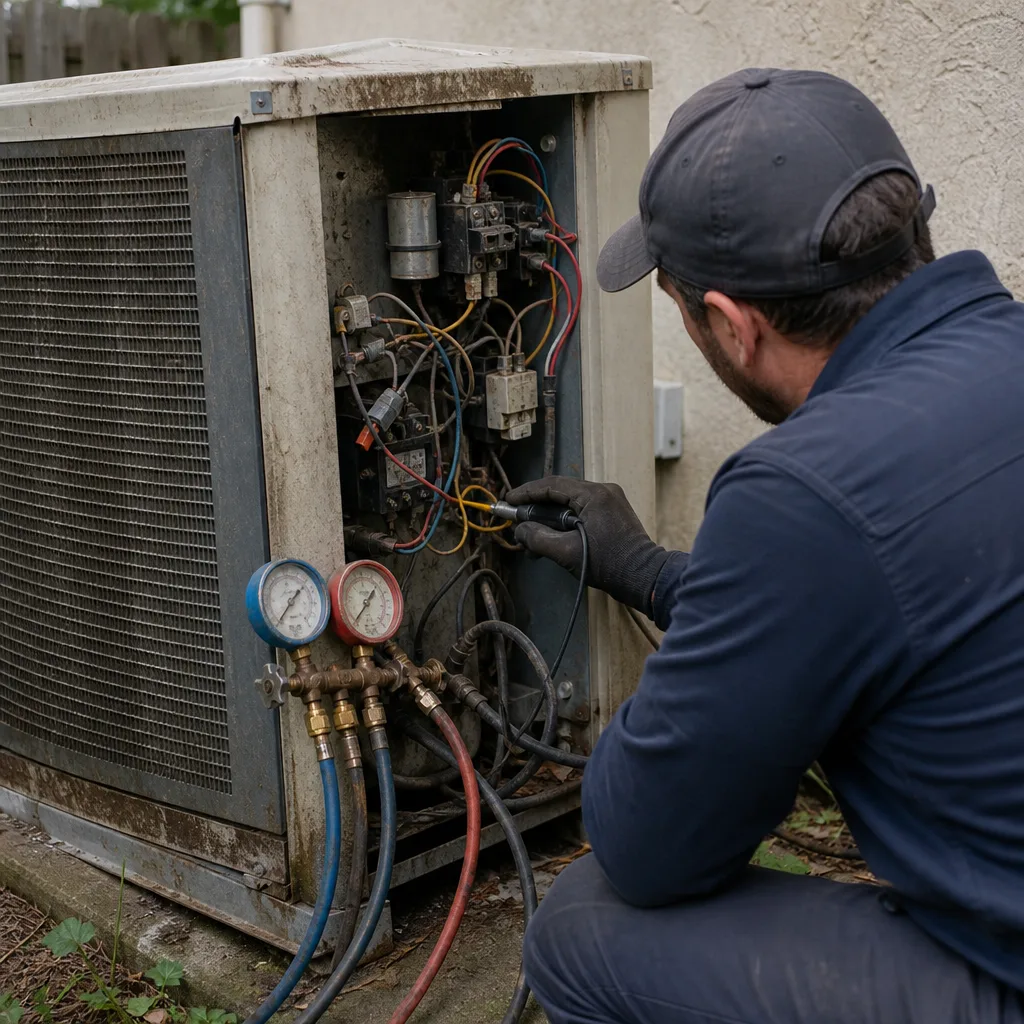 Before
 After
After Before
 After
After Before
 After
After