
Last updated October 16, 2026
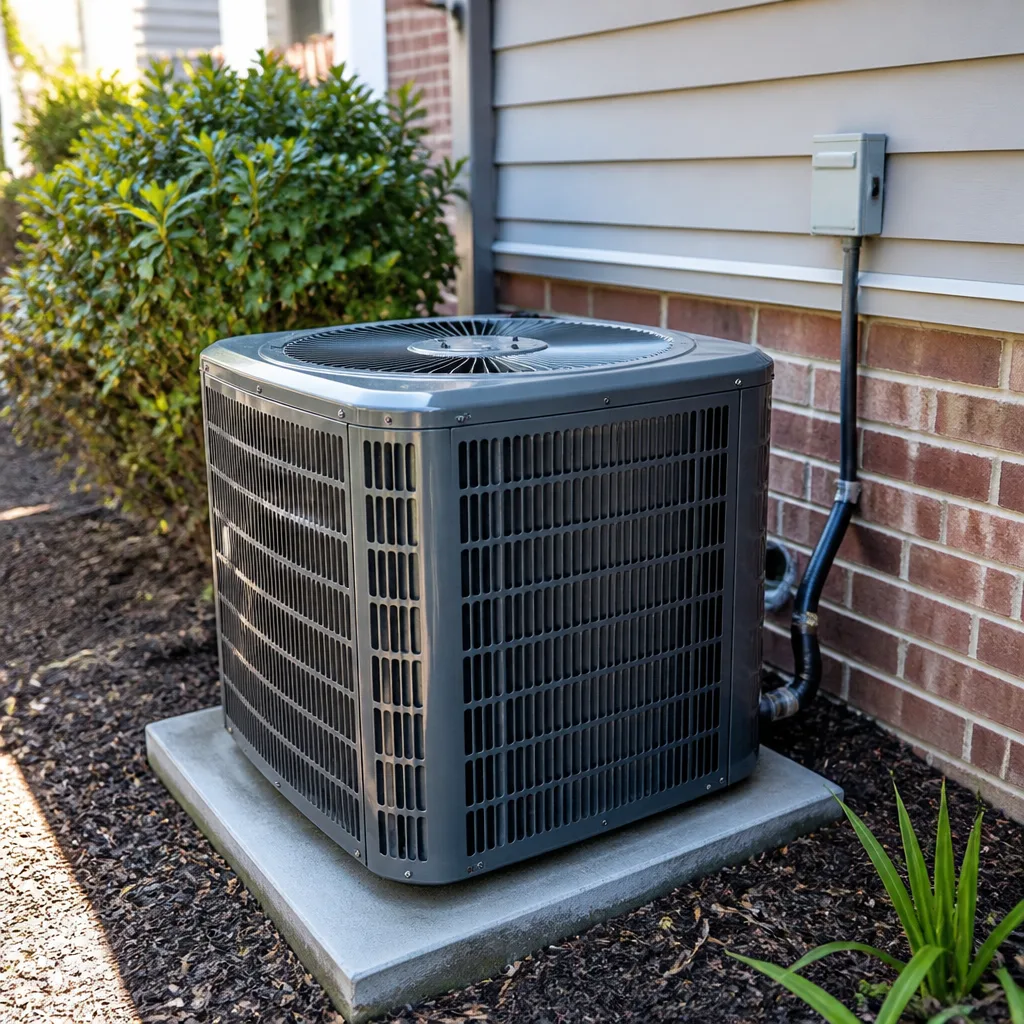 AC repair
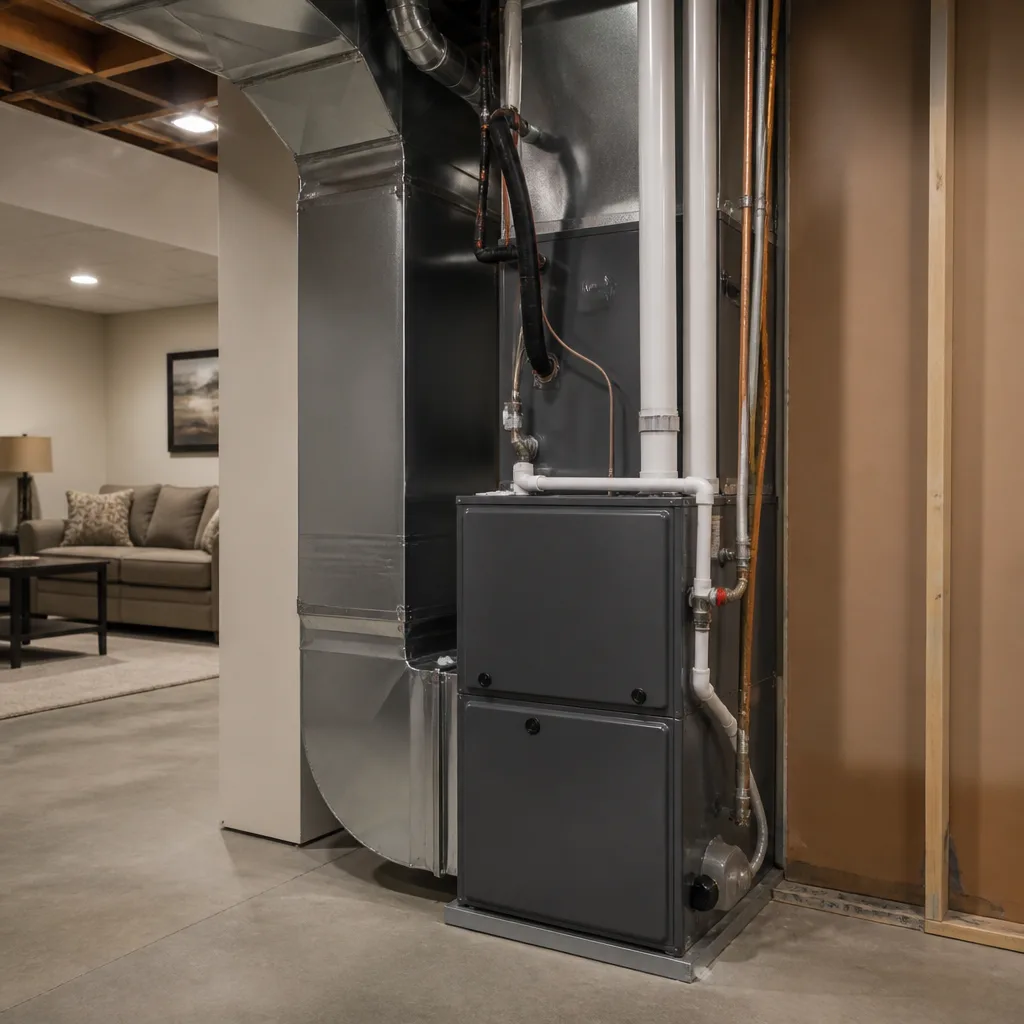 Furnace & heating
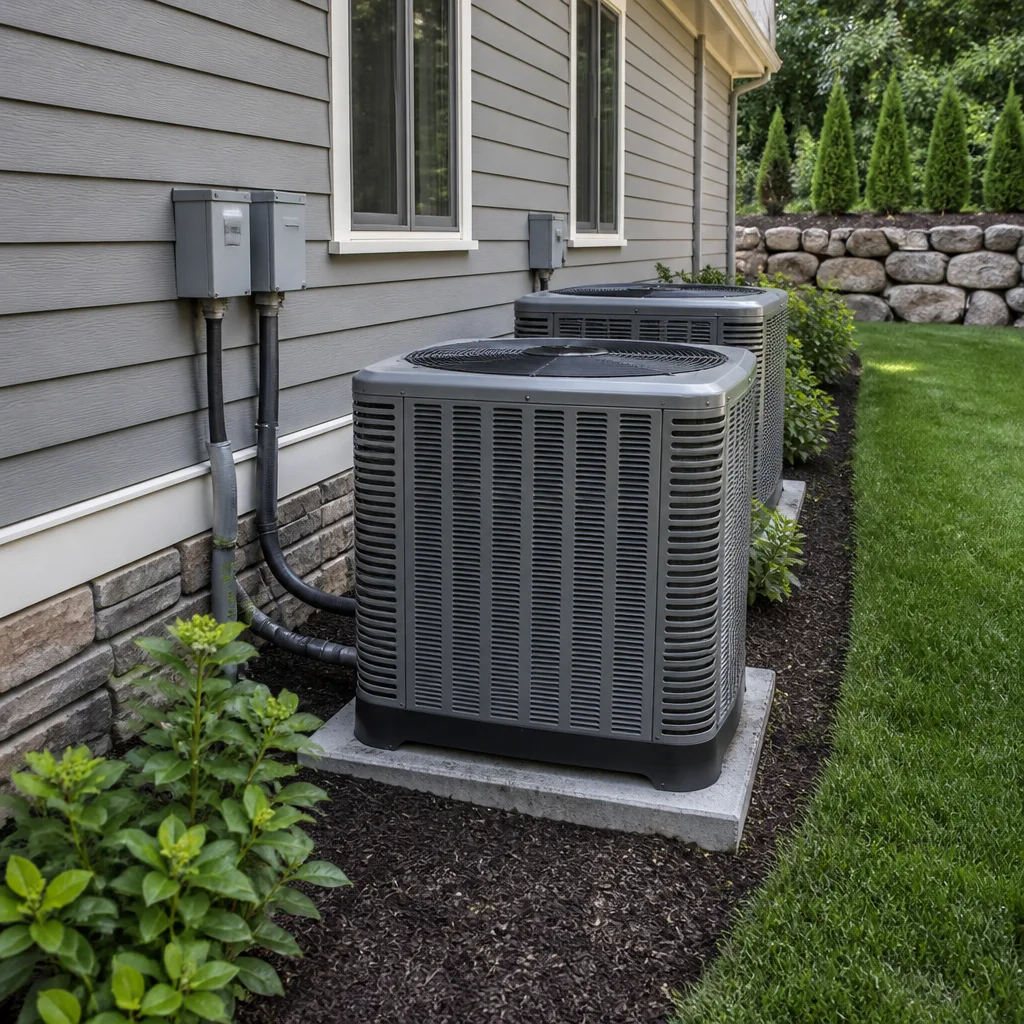 Heat pumps
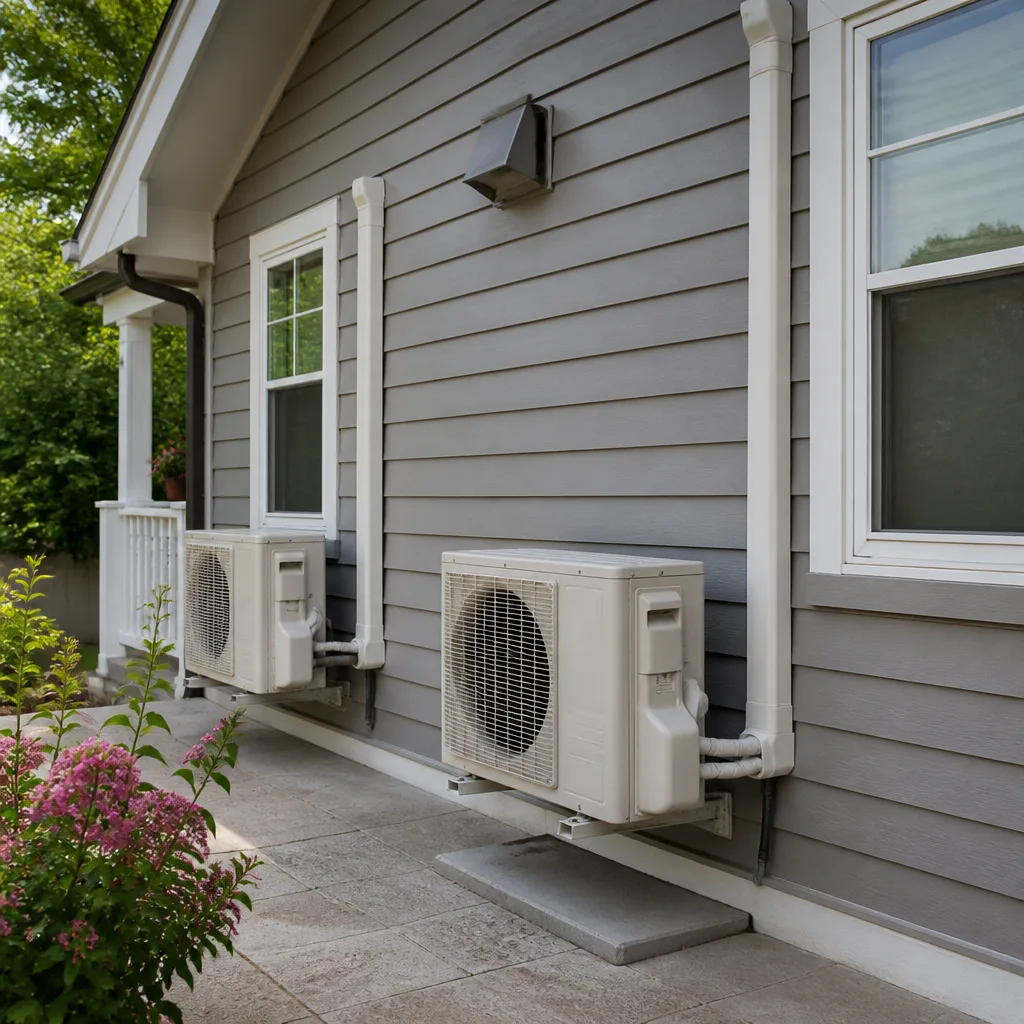 Ductless mini splits
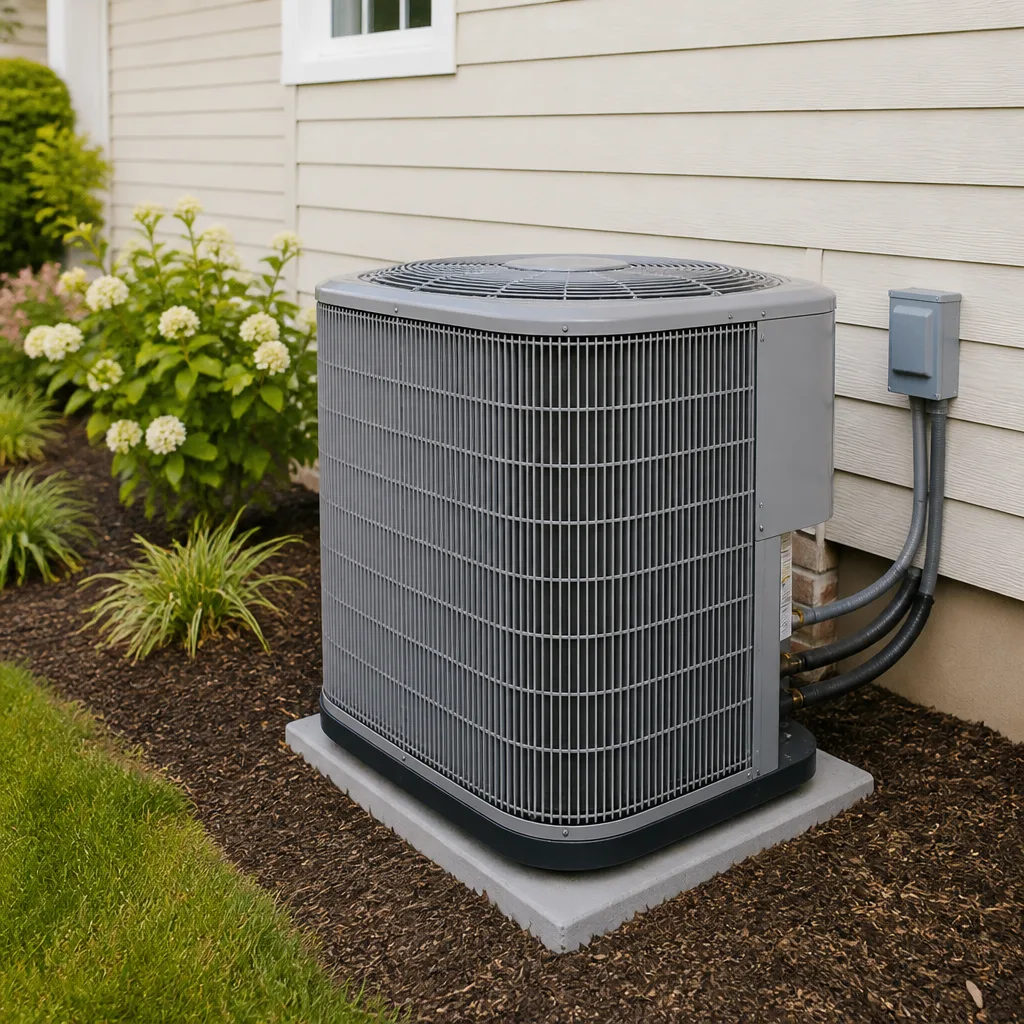 Carrier
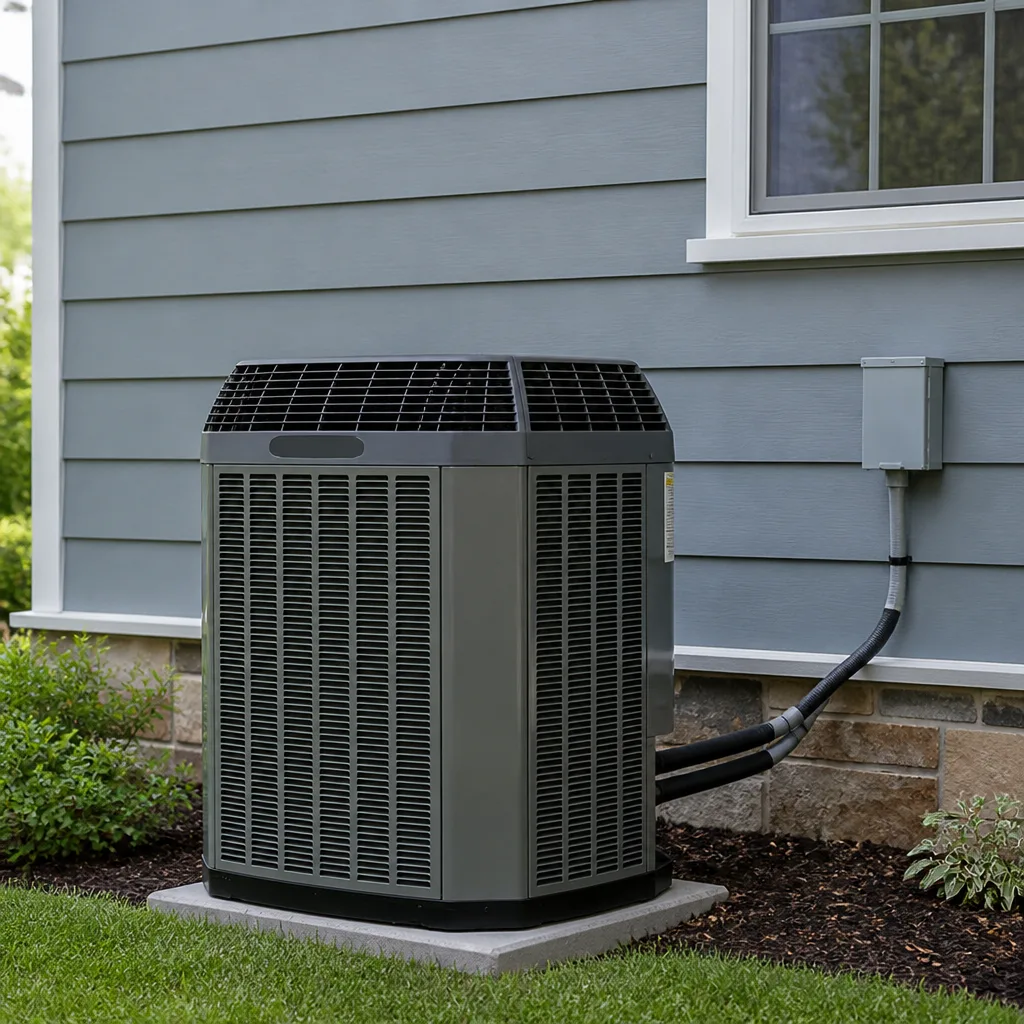 Trane
Trane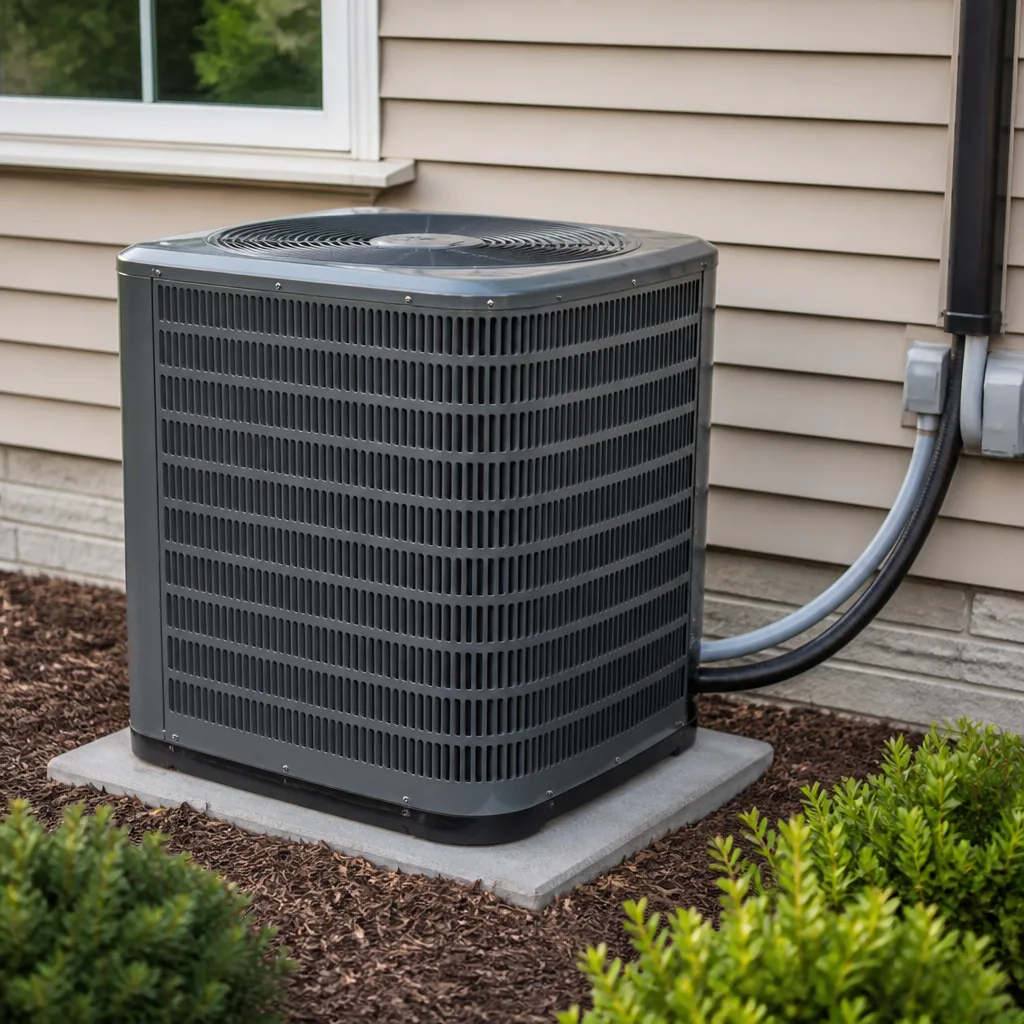 Goodman
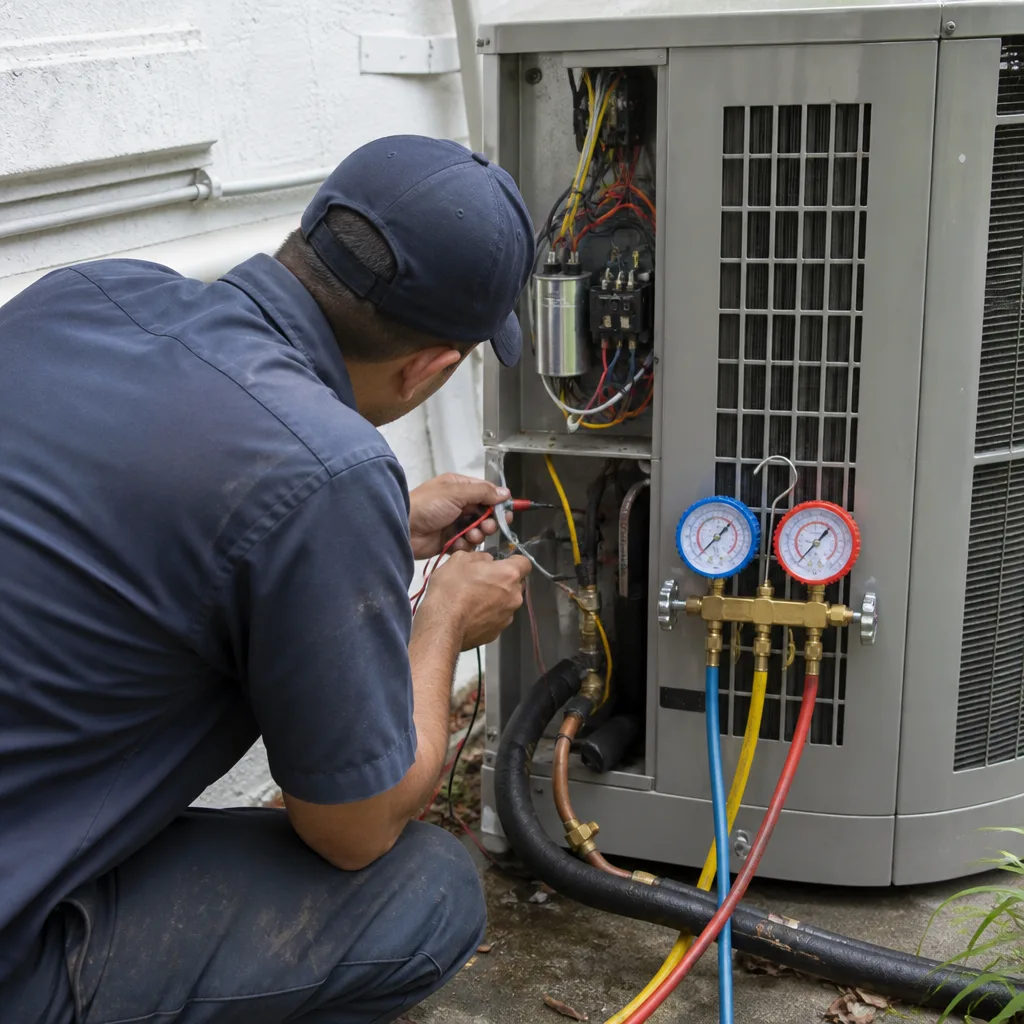
Seasonal tune-up and full diagnostic on your Carrier, Trane, or Goodman system - readings shown to you before any repair is proposed
Diagnosis first, numbers second - you approve the repair price before a single part goes in.
Get your free estimateHVAC Cost Breakdown: The Fort Lauderdale Homeowner’s Reference for 2026
Here’s a number most Fort Lauderdale HVAC companies won’t volunteer: a service call and a “diagnostic fee” can cost anywhere from $0 to $189 for the same fifteen minutes of work. The work didn’t change. The technician didn’t change. The only difference is how the company structures its pricing to hide what it’s actually charging for labor. This guide exists to walk you through every line item on a Fort Lauderdale HVAC estimate, so you can read a quote the way an honest contractor reads it: line by line, looking for what’s real and what’s padding. For more guides & resources, visit our blog.
Quick Answer
In 2026, Fort Lauderdale homeowners should expect to pay roughly $150 to $2,500 for common HVAC repairs, $120 to $450 for maintenance and inspection work, and $6,800 to $18,500 for a full system replacement, depending on tonnage, efficiency rating, and equipment brand. Prices here run 10 to 18 percent higher than national averages, driven by South Florida labor rates, Broward County permitting fees, EPA refrigerant handling requirements, and the need for coastal-rated corrosion protection. A homeowner who understands what drives those costs can spot a bloated quote in about two minutes.
Styles & brands we work with
Table of Contents
- Why Fort Lauderdale HVAC Prices Run Higher Than the National Average
- The Diagnostic Fee: What It Should Cost, and When It’s a Red Flag
- Itemized Repair Costs: The 10 Most Common Fort Lauderdale HVAC Jobs in 2026
- Refrigerant Costs in South Florida: R-410A vs R-454B and the AIM Act Timeline
- What a Broward County Mechanical Permit Actually Costs, and Why Skipping It Is a Mistake
- How to Read a Fort Lauderdale HVAC Estimate Line by Line
- Full System Replacement Cost by Tonnage and Efficiency
- Common Mistakes Fort Lauderdale Homeowners Make With HVAC Pricing
- When to Call a Professional
- Frequently Asked Questions
Why Fort Lauderdale HVAC Prices Run Higher Than the National Average
We’ve heard it plenty of times from homeowners who moved here from the Midwest or Northeast: “It cost me $220 to fix my AC up north. Why is the same repair $310 here?” The answer is not greedy contractors. It’s the arithmetic of doing HVAC work in a subtropical coastal market. Fort Lauderdale’s climate means AC systems run roughly 2,200 to 2,600 hours per year, more than double the national average. A unit that lasts 15 years in Ohio might last 9 in Fort Lauderdale. More run time means more stress on components, more failures, and more pressure on the labor market that fixes them.
Coastal salt air is another factor that’s specific to this city. Outdoor condenser coils, compressor casings, and even electrical connections degrade faster within a mile or two of the ocean. HVAC work in neighborhoods like Victoria Park, Coral Ridge, Rio Vista, and Harbor Beach regularly involves replacing corroded contactors and coils that would still be fine in a non-coastal climate. Technicians in Fort Lauderdale have to know how to work with corrosion-resistant fasteners, insulated wiring connections, and coastal-rated equipment that carries a modest price premium over standard gear.
The third driver is regulation. EPA Section 608 certification for refrigerant handling is mandatory nationwide, but in Florida, the sheer volume of AC work has turned certified technicians into a sought-after commodity. Broward County mechanical permit fees, which we’ll detail below, also add to every installation and major replacement. Add in the cost of running a field service operation in a city with some of the highest commercial insurance rates in the Southeast, and the 10 to 18 percent premium over national averages becomes completely logical. It isn’t a mystery upcharge. It’s the cost of doing this work correctly in a city this hot and humid.
In our experience, when a Fort Lauderdale HVAC quote comes in significantly below the national average, the question isn’t “How did they get so efficient?” It’s usually “What are they skipping?”
The Diagnostic Fee: What It Should Cost, and When It’s a Red Flag
Those zero-dollar service calls you see advertised around Fort Lauderdale are not magic. The company is not absorbing the cost out of kindness. They are folding the cost of getting a technician to your door into the labor they charge for the repair itself. A company that charges a $79 trip charge and then $180 for a capacitor replacement is being transparent. A company that charges a $0 trip charge but then $295 for the same capacitor replacement is not.
Here’s the practical range in Fort Lauderdale in 2026. A legitimate diagnostic fee, which covers the technician’s travel, time spent identifying the problem, and the cost of dispatching a stocked van across the city, typically runs $69 to $149. Some contractors roll that fee into the repair if you approve the work on the same visit. Others keep it separate and always have. Neither structure is inherently dishonest. What matters is whether the total price for diagnosis plus repair lands within the credible range for the specific job.
We operate on what we call The Kingswell Way, and one of its written promises is a price before the work starts. That means the diagnostic is not a gateway to an unknown number. You know what the diagnostic costs, and you know what the repair will cost before a tool comes out of the van. If a Fort Lauderdale company refuses to quote a repair price in writing before starting, even after a diagnostic, walk away.
Itemized Repair Costs: The 10 Most Common Fort Lauderdale HVAC Jobs in 2026
Every one of these is a real job we and other Fort Lauderdale contractors do week in, week out. The ranges reflect labor, standard parts, and a fair margin. If a quote is far outside the range, ask what exactly is being included.
1. Capacitor Replacement: $150 to $320
The capacitor is a small cylinder that gives the fan and compressor motors a jolt of starting power. In Fort Lauderdale’s heat, capacitors fail more frequently than almost any other component – the high ambient temperature degrades the internal dielectric material faster. The part itself typically costs $15 to $45 wholesale. The rest of the ticket is labor, trip, and the warranty. A capacitor replacement in Fort Lauderdale should come with a written guarantee, and at minimum, that guarantee should survive the summer.
2. Refrigerant Recharge (R-410A): $180 to $400 per pound
This one demands a longer explanation, which you’ll find in the section below. For now, know this: a system that needs a pound of refrigerant is a system with a leak somewhere. Topping it off without finding the leak is like putting air in a punctured tire and hoping for the best.
3. Coil Cleaning (Evaporator or Condenser): $120 to $300
Coils covered in a film of dust and salt spray transfer heat poorly. The system runs longer, consumes more electricity, and shortens its own lifespan. A proper coil cleaning on a Fort Lauderdale home’s outdoor condenser should include fin combing and a chemical wash appropriate for coastal corrosion, not just a garden hose rinse. For a full maintenance schedule, see our Seasonal HVAC Care for Fort Lauderdale: Year-Round Homeowner’s Guide.
4. Drain Line Service and Clearing: $100 to $250
In South Florida humidity, the evaporator coil condenses gallons of water every day. That water has to go somewhere, and when the drain line clogs with algae, it backs up and trips a safety float switch or, worse, leaks onto your ceiling. A basic blow-out and treatment costs under $150. If the line needs disassembly or a drain pan replacement, you’re in the $200 to $350 range.
5. Blower Motor Replacement: $450 to $1,150
The blower motor pushes treated air through your ductwork. When it fails, you get a system that runs but doesn’t move air through the vents. The cost depends on whether you have a standard single-speed motor or a more expensive electronically commutated motor (ECM), which many newer systems use to meet efficiency standards.
6. Thermostat Replacement: $120 to $350
Smart thermostats like Ecobee and Nest models usually run $200 to $350 installed in Fort Lauderdale. Basic programmable models are closer to $120 to $180. If a technician quotes you $500 for a standard thermostat swap, they’re bundling in costs that should be itemized.
7. Contactor Replacement: $120 to $280
The contactor is a heavy-duty switch that turns the compressor and fan on and off. It’s a high-wear part, especially in coastal areas where salt accelerates corrosion of the contacts. This is one of the pieces we replace most often on systems within two miles of Fort Lauderdale Beach.
8. Condensate Pump Replacement: $200 to $450
Some Fort Lauderdale homes, especially those with air handlers in a garage or utility closet, use a small pump to lift condensate water up and out of the drain. Pumps fail every five to eight years, and installing a new one is straightforward work that should be quoted at a fixed price before the job starts.
9. Hard Start Kit Installation: $150 to $300
A hard start kit is essentially a high-power capacitor that gives older compressors extra kick on start-up. It’s a common stopgap for compressors that are struggling to start in Fort Lauderdale’s late-afternoon heat, and it can extend the life of an older system by a season or two.
10. Condenser Fan Motor Replacement: $300 to $600
The condenser fan motor is the spinning blade assembly on top of the outdoor unit. When it fails, the compressor can overheat and shut down. In Fort Lauderdale’s salt air, these motors fail faster than they would in a non-coastal climate, and the replacement should always use a motor rated for high humidity or coastal conditions.
Refrigerant Costs in South Florida: R-410A vs R-454B and the AIM Act Timeline
The single biggest shift in 2026 HVAC pricing is refrigerant. Here’s the plain-English version of what changed. Under the American Innovation and Manufacturing (AIM) Act, the EPA began phasing down production of R-410A, the refrigerant that has been standard in residential AC systems since the early 2000s. The phase-down works by cutting the amount of R-410A that can be manufactured or imported each year. Production under the 2026 allowance will be a fraction of what it was at the 2022 peak.
What does that mean for your wallet in Fort Lauderdale? It means the wholesale price of R-410A has roughly doubled and is still climbing. A pound of R-410A that cost a contractor $28 in 2022 now costs $60 to $90. By 2027, some distributors are projecting over $100 per pound. Homeowners pay a marked-up retail price on top of that. So a recharge that would have cost you $120 two years ago in Fort Lauderdale might now run $250 to $400 for the same amount of refrigerant.
Enter R-454B. It’s the new refrigerant that manufacturers began using in new systems in 2024 and 2025, and by 2026, it’s the standard in almost all new residential AC units. R-454B has a much lower global warming potential, and it is not subject to the same phasedown schedule. It costs roughly $20 to $35 per pound wholesale.
Here’s the practical implication for homeowners in Fort Lauderdale. If you have a system that uses R-410A and it develops a refrigerant leak, you need to think hard about whether a recharge is worth it. A system that needs three or four pounds of R-410A in 2026 is getting expensive to limp along. Patching the leak and recharging is sometimes the right call on a system under eight years old. On a system that’s 12 or 14 years old, the math increasingly points toward replacement with an R-454B system before R-410A prices get worse.
Any honest Fort Lauderdale contractor should walk you through that decision before they pump $500 of refrigerant into a dying unit.
What a Broward County Mechanical Permit Actually Costs, and Why Skipping It Is a Mistake
Fort Lauderdale’s building services require a mechanical permit for HVAC equipment changeouts and new installations. The core permit fee for a residential AC replacement is typically in the $80 to $250 range, depending on the scope and the type of system involved. Some jobs, particularly those that involve relocating equipment or modifying electrical service, can push the fee higher. After the contractor completes the work, an inspector reviews the installation, including the drain line, electrical connections, and startup performance.
Some Fort Lauderdale homeowners, tempted by a contractor who offers to skip the permit and “save you the fee,” take the bait. That is a mistake on three levels. First, unpermitted work can surface during a home sale or insurance inspection, and you, not the contractor, are the one holding the liability. Second, the building official’s nose is not a rubber stamp – a solid permit inspection catches the kind of sloppy work a homeowner cannot see, like improper disconnect placement or undersized wiring. Third, if something goes wrong, a contractor working without a permit is a contractor who has already decided that procedural rules do not apply to them.
At Cold Harbour Heating and Air Fort Lauderdale, the permit fee goes on the written quote as a line item. The price before the work starts is the price at the end. No surprise “county fees” showing up on the final invoice.
How to Read a Fort Lauderdale HVAC Estimate Line by Line
When a Fort Lauderdale HVAC company hands you an estimate, the first thing to do is check whether the lines actually tell you what the work is. Here’s a step-by-step on how to read it like someone who has seen thousands of them.
- The Trip Charge (or “Diagnostic Fee”): This is the cost of getting a technician and a stocked van to your home. In Fort Lauderdale, $69 to $149 is credible. If it’s $0, the cost is disappearing into another line.
- The Repair Line: This should name the specific part and the work done. “Capacitor replacement – 45/5 µF” is a real line. “AC repair service” is not.
- Labor: This is where you see whether the shop is itemizing honestly. A shop that charges a diagnostic fee, a repair fee, and a labor fee without explaining the difference is double-billing you for the technician’s time.
- Parts: The part cost should be at least in the same universe as the wholesale price of a name-brand component. If a capacitor that costs $19 wholesale is listed at $195, the markup is not for the part; it’s hidden labor.
- Permit Fee (if applicable): On installations and changeouts, there should be a permit line or a note that says “permit included.” If there’s no permit line and no mention of a permit, ask.
- Warranty: The estimate should say, either on the line item or at the bottom, what warranty applies and for how long. A company that won’t put the warranty on the estimate before you sign is unlikely to honor it after the job.
Here’s a red flag that’s specific to the Fort Lauderdale market. You get two quotes for the same repair. One is $350 with a clearly labeled diagnostic, parts, and labor. The other is $250 but the estimate says “AC service – includes standard repair.” When you dig in, the second company hasn’t told you what they’re actually doing. They’re bidding low on vagueness, and they’re counting on you not asking. When the bill lands, it won’t be $250.
Our promise, written on every job, is that the price quoted is the price paid. We hand you the number before a tool comes out. If the job needs more scope, you hear about it and approve it before we do it. There’s no after-the-fact surprise.
Full System Replacement Cost by Tonnage and Efficiency
A full system replacement in Fort Lauderdale includes the outdoor condenser, the indoor air handler or coil, refrigerant lines, and the labor to install and commission the system. Here’s what that looks like in 2026 dollars, broken down by the system size most common in this city’s housing stock.
- 1.5-ton system (small condos and apartments, typically 700 to 900 square feet): $6,800 to $9,200, depending on efficiency rating and brand. Condos in buildings along Galt Ocean Mile and Lauderdale Harbours often use this size.
- 2-ton system (1,000 to 1,200 square feet): $7,500 to $10,500. Common in older single-family homes in neighborhoods like Progresso Village and Middle River Terrace.
- 2.5-ton system (1,300 to 1,600 square feet): $8,200 to $11,800. This size dominates much of the 1950s and 1960s housing stock in Poinsettia Heights and Shady Banks.
- 3-ton system (1,700 to 2,100 square feet): $9,500 to $13,500. A common replacement we install in Bal Harbour and Nurmi Isles homes.
- 4-ton system (2,200 to 2,600 square feet): $11,000 to $15,500. Larger single-story homes in Coral Ridge Country Club Estates and similar neighborhoods.
- 5-ton system (2,800 to 3,400 square feet): $12,500 to $18,500. The biggest residential systems, often found in newer homes with open floor plans and high ceilings.
These ranges assume standard-efficiency equipment from major brands like Carrier, Trane, Lennox, or Goodman, all of which our technicians are trained to service. High-efficiency, variable-speed systems, especially those with a SEER2 rating of 18 or above, can push the top end of these ranges up by 20 to 30 percent. You may also pay more for a coastal-coated condenser, which we strongly recommend for homes within a mile of the ocean.
Replacement is not a same-day operation. Proper system replacement means a load calculation on the home, equipment ordering, and a scheduled install date. A company that promises to replace a system this afternoon is either holding a warehouse of units in every possible size, or cutting corners.
For more detail on what a new system costs in specific Fort Lauderdale neighborhoods and what the installation process looks like, read our AC Installation in Fort Lauderdale guide. It covers the equipment-selection and permitting process in more detail than we can fit here.
Common Mistakes Fort Lauderdale Homeowners Make With HVAC Pricing
- Choosing a contractor based only on the diagnostic fee. A $0 diagnostic fee is not a discount; it’s a cost that has been moved somewhere else. Look at the all-in price for the job, not the entry fee.
- Recharging a leaking system every spring without fixing the leak. In 2026, with R-410A prices climbing, this habit is quietly becoming a $400-a-year subscription. The leak will not heal itself.
- Accepting an estimate that does not itemize labor, parts, and permit fees. A Fort Lauderdale HVAC estimate with a single bottom-line number is like a restaurant check that just says “food.” Ask for the lines.
- Skipping the permit to save $80 to $250 on a replacement. The savings is small, and the risk, when you go to sell or refinance, is not. Unpermitted mechanical work is a favorite rug-pull in Fort Lauderdale real estate closings.
- Replacing a 7-year-old system because the capacitor and contactor failed in the same month. These are wearing parts. They are supposed to go at some point. Spend $400 on repairs once or twice before you write a $10,000 check.
- Assuming the highest quoted price means the best work. High prices are sometimes a signal of quality and sometimes a signal of a company that believes you’ll pay without question. The written guarantee and the itemized estimate tell you more than the number does.
When to Call a Professional
If your Fort Lauderdale home’s AC is blowing warm air, short cycling, leaking water into the house, or making grinding or buzzing sounds that weren’t there last month, those are professional-grade problems. Electrical components in an HVAC system carry enough voltage to injure, and a system with leaking refrigerant requires an EPA-certified technician by law. Do not open the unit and start probing with a multimeter from YouTube. The cost of a wrong move exceeds the cost of a correct service call.
Cold Harbour Heating and Air Fort Lauderdale offers free estimates in Fort Lauderdale. Call (754) 354-7289 and a live person answers, any hour, any day. The technician will arrive in the window we give you, hand you a written price before the work begins, and leave you a written guarantee covering the repair for 365 days. If the repair fails inside that year, we come back and make it right at no charge. That guarantee is part of the Kingswell Guarantee, and it’s written on paper before the technician leaves.
We are also the team behind the AC Repair in Fort Lauderdale page, and we handle Furnace Repair in Fort Lauderdale for the handful of cold snaps that leave homes with no heat. Every job runs on the same Kingswell Way standards.
Frequently Asked Questions
A standard HVAC service call in Fort Lauderdale in 2026 costs between $69 and $149 for the trip and diagnostic, with many companies waiving or rolling that fee into the repair if you approve the work the same day. A company advertising a $0 service call is making the money back elsewhere, usually in labor markup. Call (754) 354-7289 for a straight answer on our current diagnostic fee.
A full system replacement in Fort Lauderdale typically runs $6,800 to $18,500 in 2026, depending on tonnage, efficiency, and whether the home needs a coastal-rated condenser. The price includes equipment, installation labor, refrigerant, and the Broward County mechanical permit. We give you a written fixed price before ordering anything.
The common-sense rule we use with homeowners is this: if the repair costs less than a third of the price of replacement and the system is under ten years old, repair is usually the right call. If the system is older than ten years and the repair is over $1,500, or if the unit uses R-410A and has a leaking coil, replacement starts to make real financial sense. We’ll give you honest numbers for both paths and let you decide.
R-410A prices have risen sharply because the EPA’s AIM Act is phasing down production of the refrigerant, cutting the supply available for recharging older systems. In 2026, that translates to $180 to $400 for a one-pound recharge in Fort Lauderdale, and we expect the price to keep climbing through 2027. Newer systems use R-454B, which is not subject to the same phasedown and is significantly cheaper.
Yes. Fort Lauderdale and Broward County require a mechanical permit for HVAC equipment changeouts and new installations, with permit fees typically running $80 to $250 depending on scope. The permit triggers an inspection that verifies the work was done to code, and skipping it can create liability when you sell or refinance.
In most cases, yes. We reserve same-day capacity for AC problems in Fort Lauderdale’s summer months because a failed system in this heat is a health risk, not just an inconvenience. A live person answers the phone at (754) 354-7289, no voicemail tree, and we’ll give you an arrival window and a written price before the work begins.
The Bottom Line
Fort Lauderdale HVAC pricing is not a mystery once you understand what’s behind it: a brutal climate, a saline coastline, a regulated refrigerant supply, and a real permit system. The 10 to 18 percent premium over national averages is the honest cost of doing this work properly here. What’s not honest is a quote that hides those costs inside vague line items, and what’s not smart is accepting one. Ask for the itemization. Ask for the written warranty. Ask what the permit covers. A contractor who answers those questions plainly is one worth hiring. If you’d like a written price from the team that built its reputation, and the Kingswell Guarantee, on putting it in writing, call (754) 354-7289.
Written by Victor Mancini, Owner at Cold Harbour Heating and Air Fort Lauderdale, serving Fort Lauderdale since 2003.
See the difference
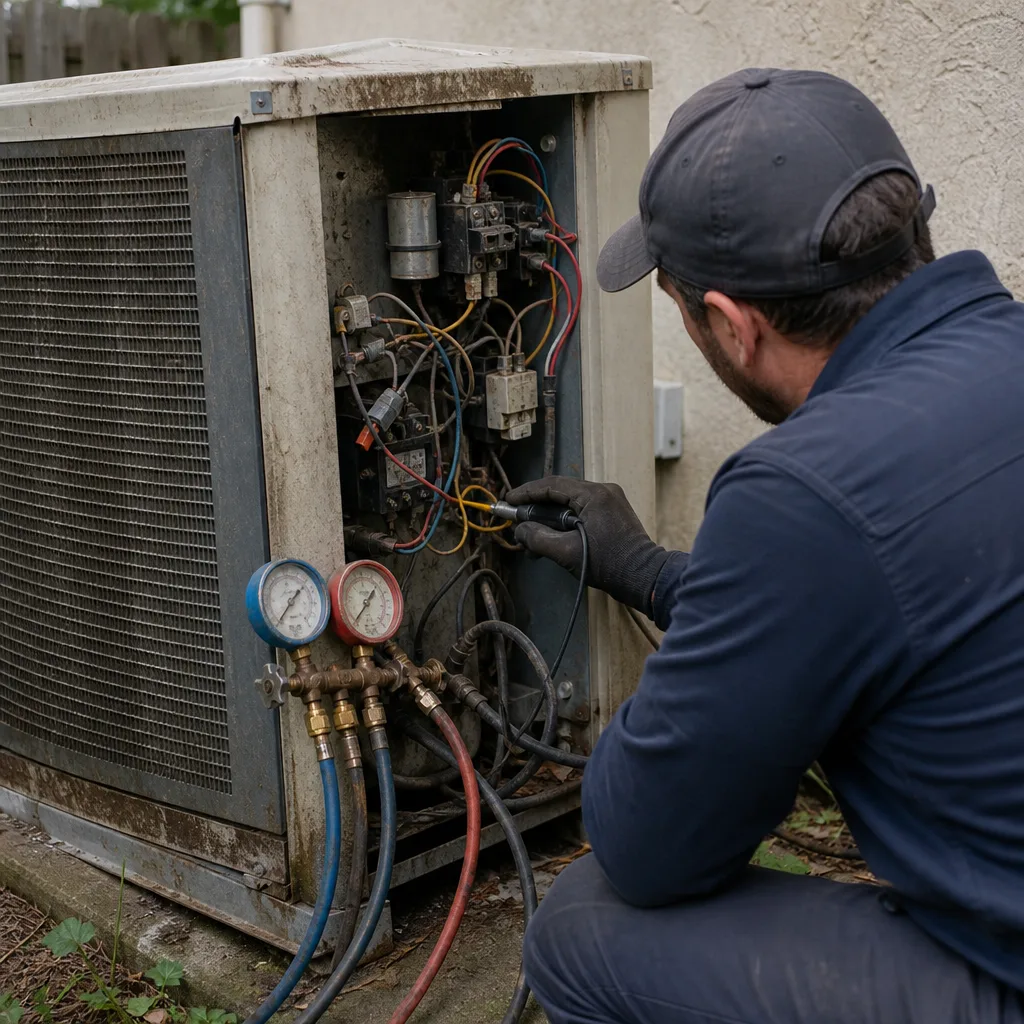 Before
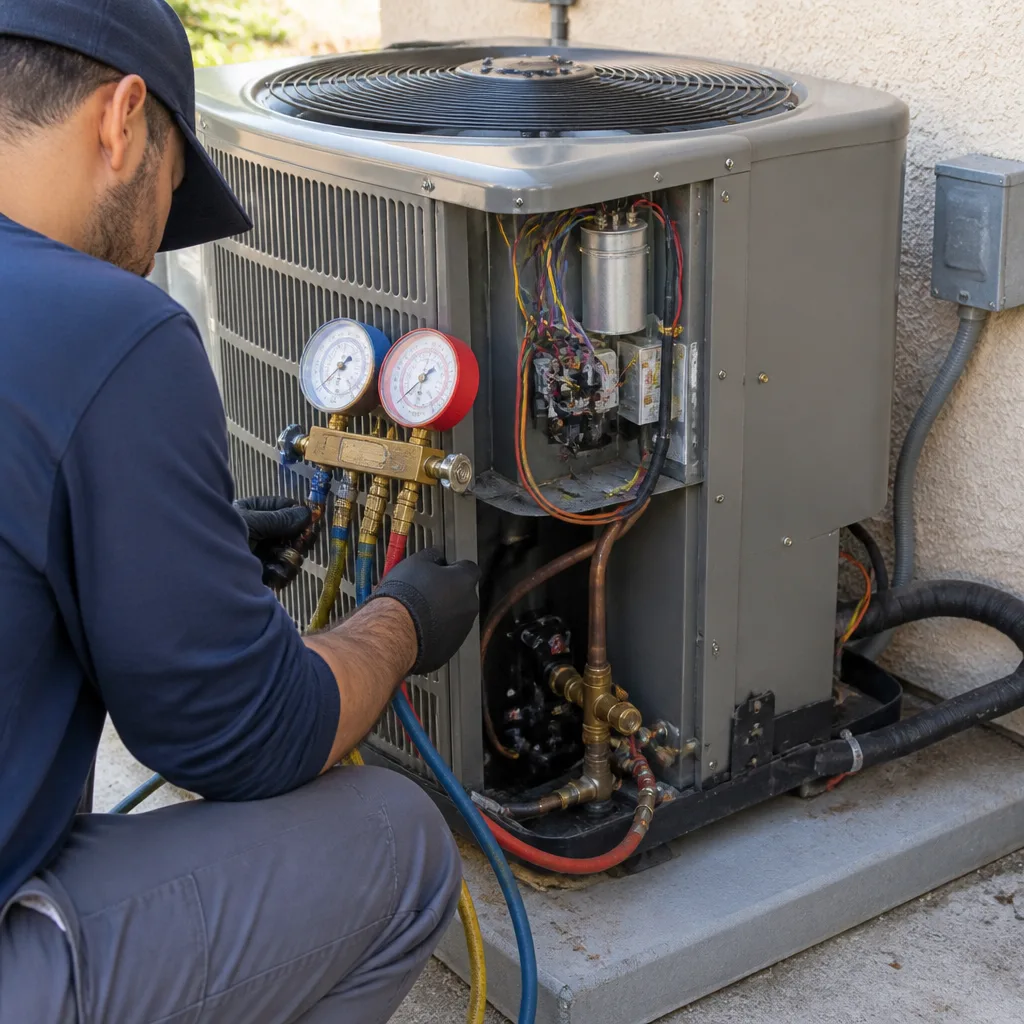 After
After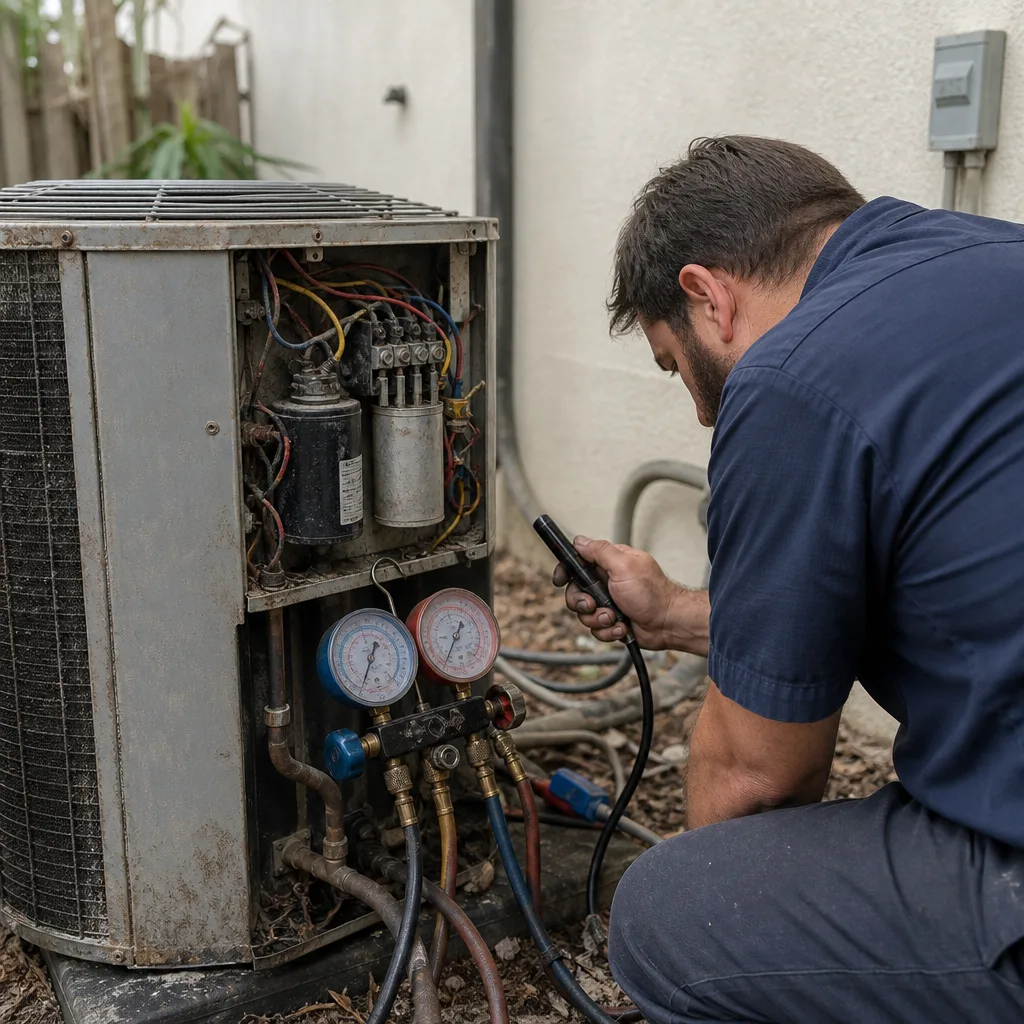 Before
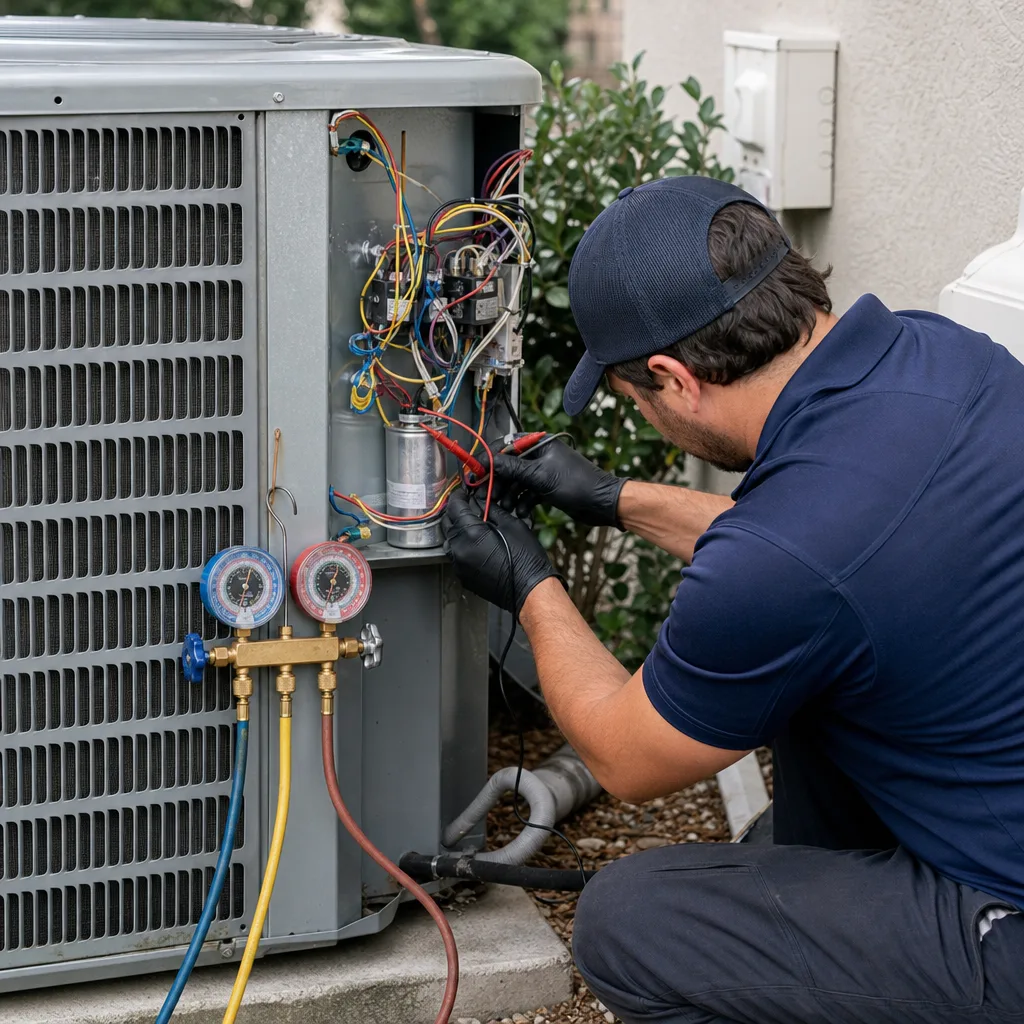 After
After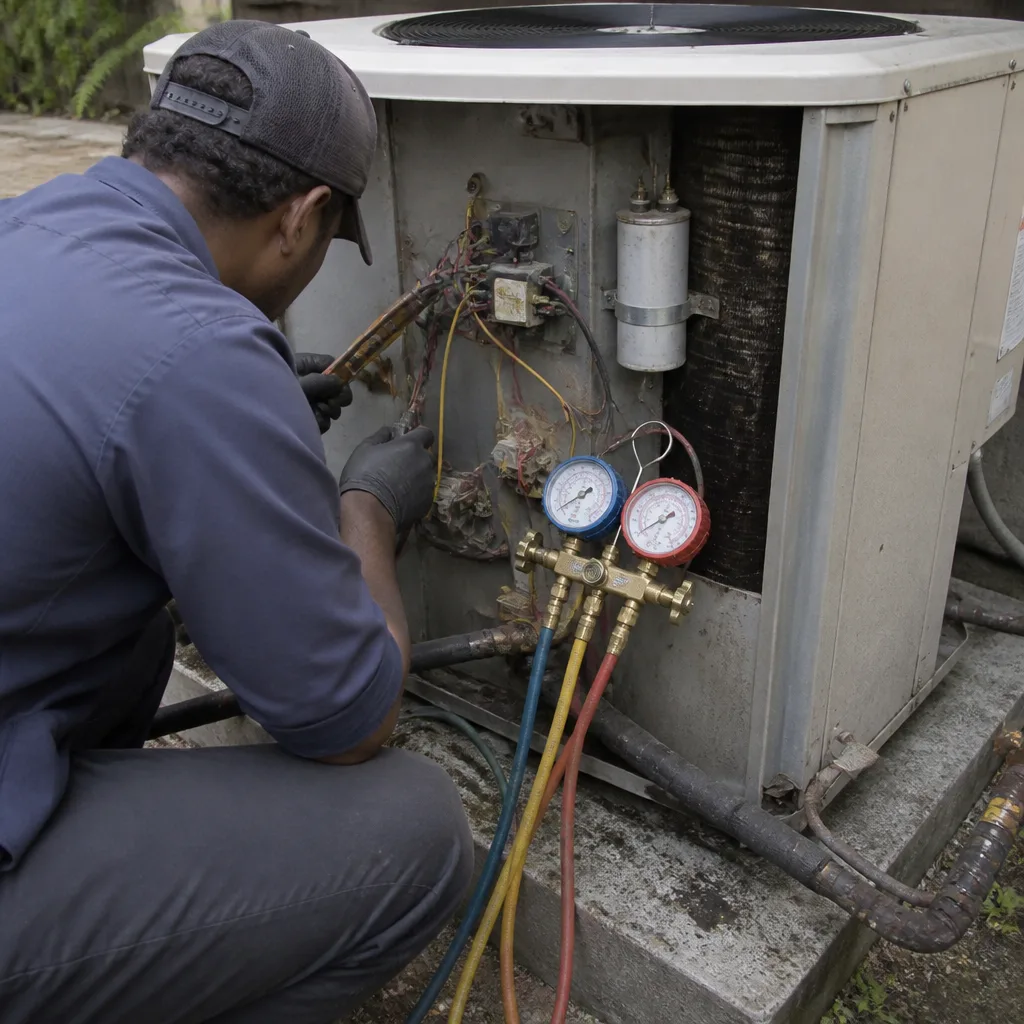 Before
 After
After