
Last updated October 16, 2026
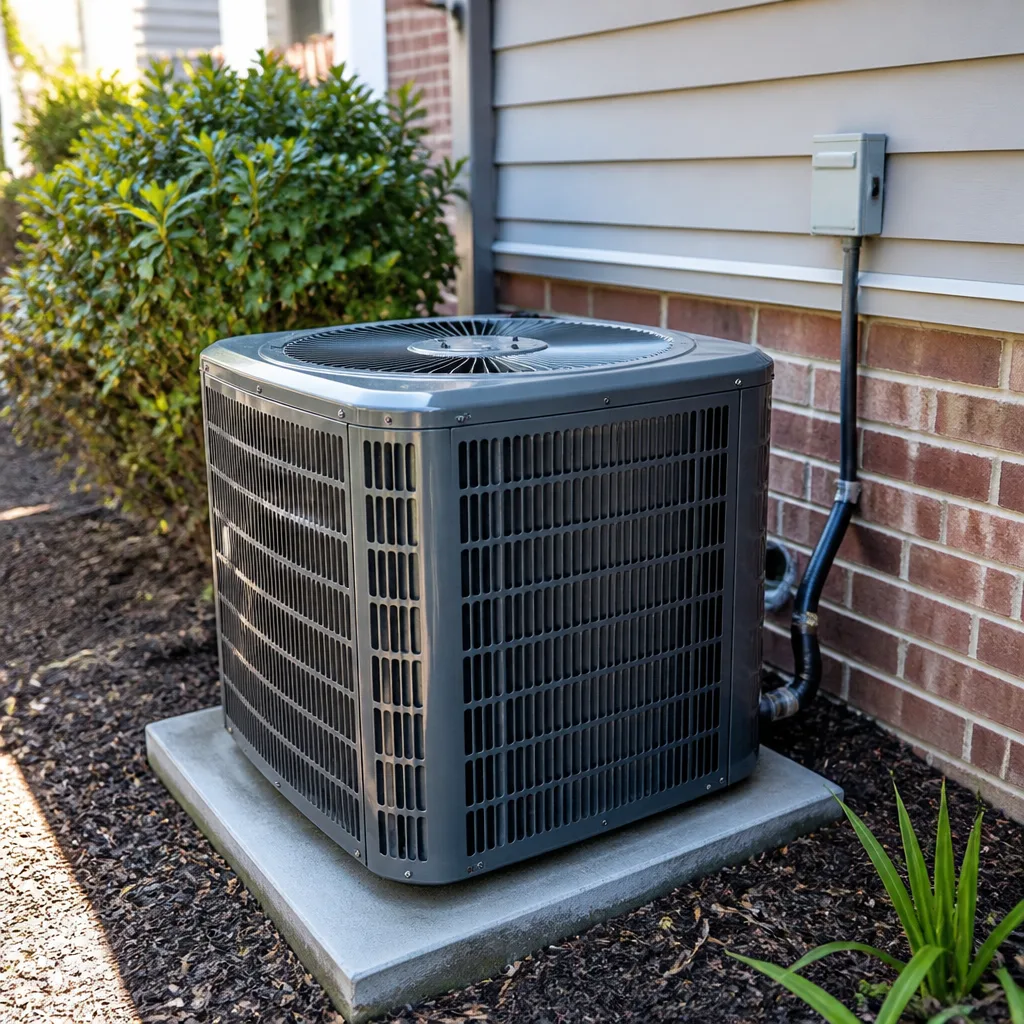 AC repair
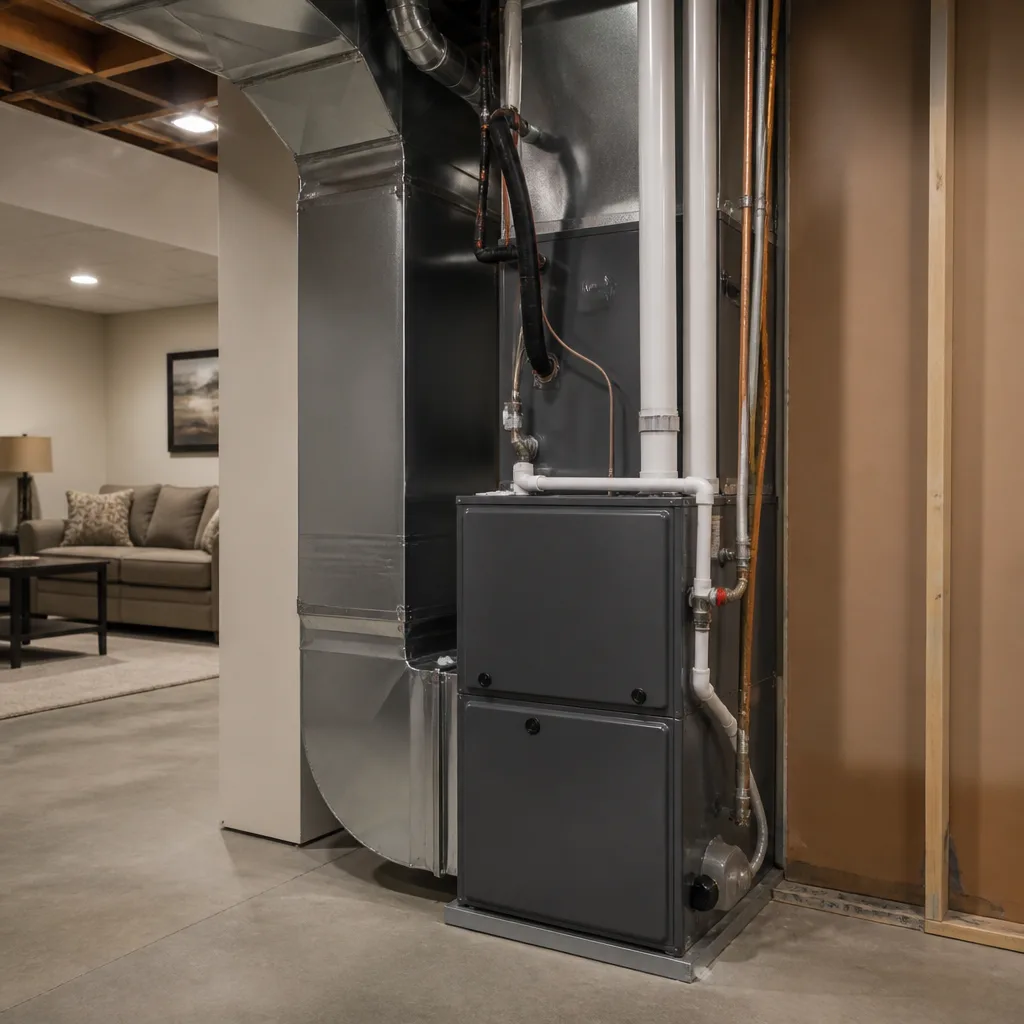 Furnace & heating
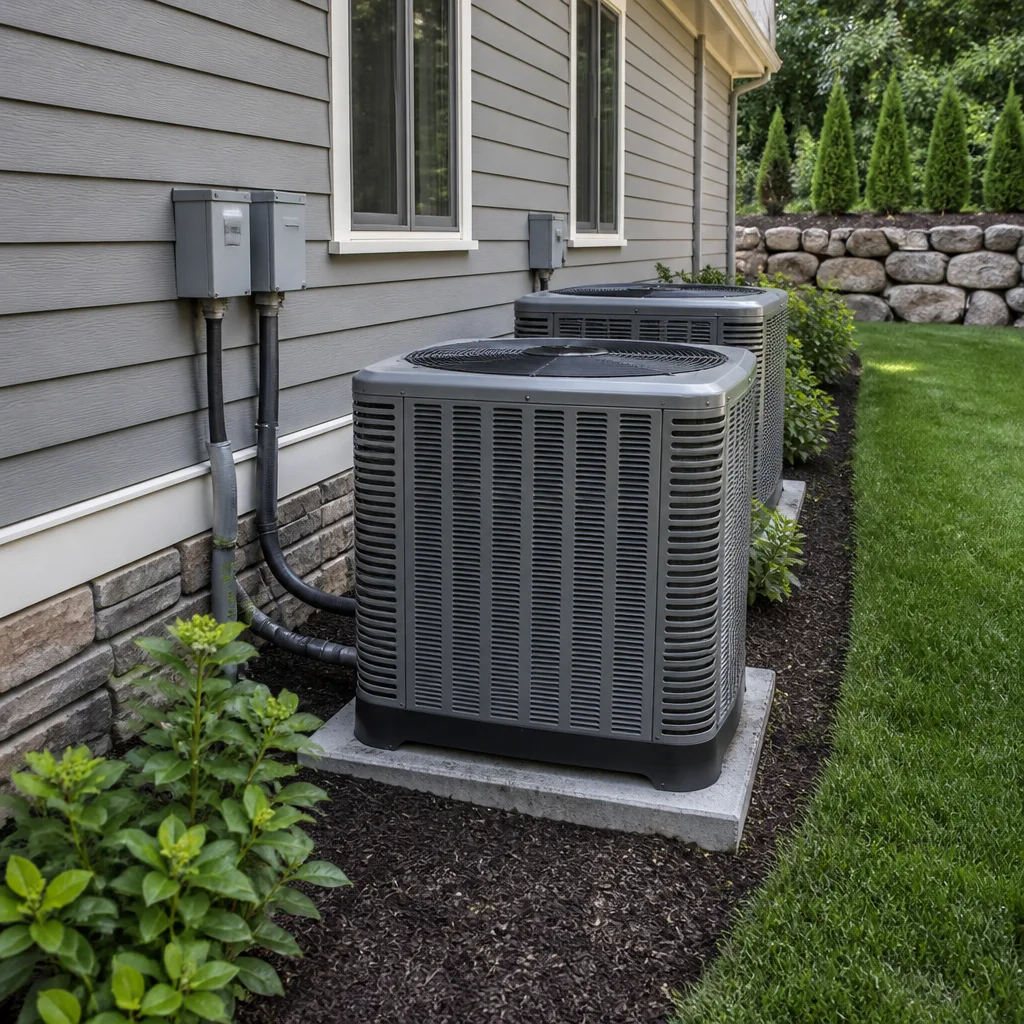 Heat pumps
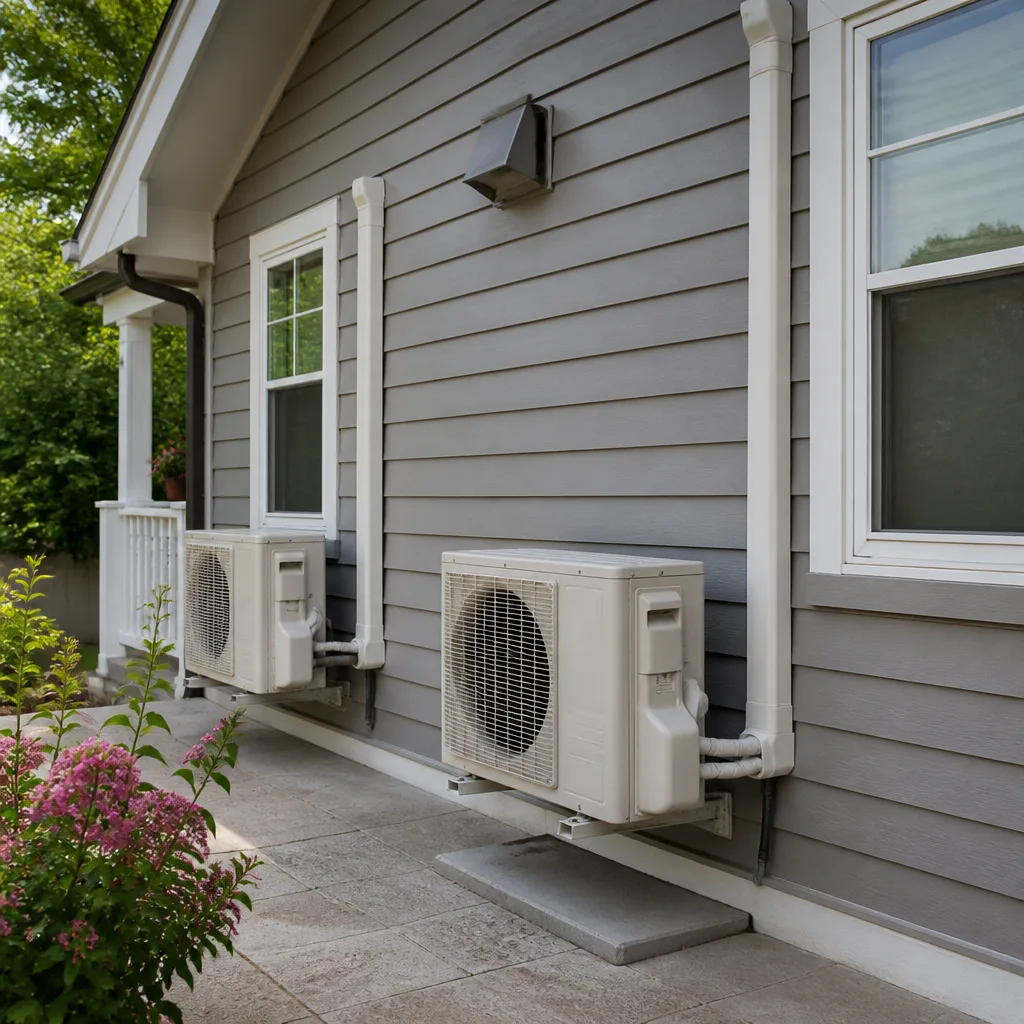 Ductless mini splits
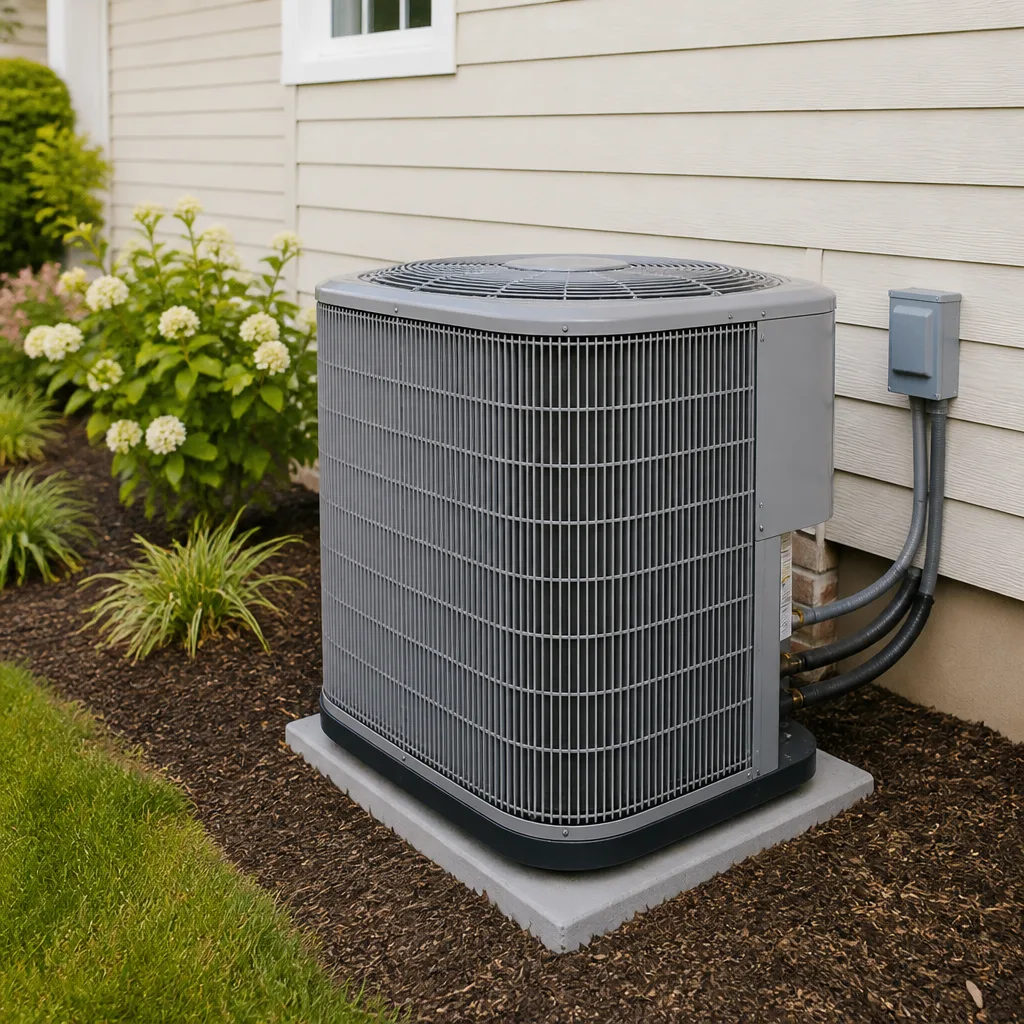 Carrier
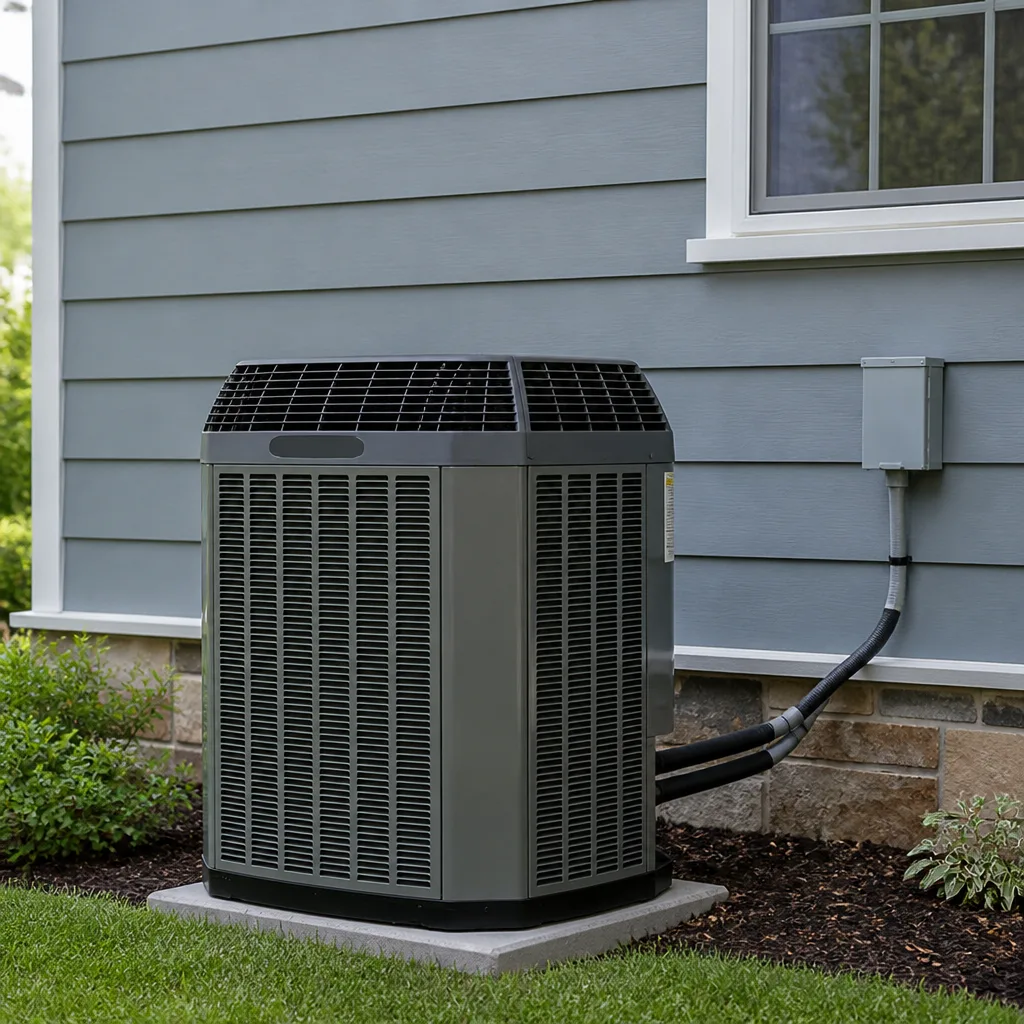 Trane
Trane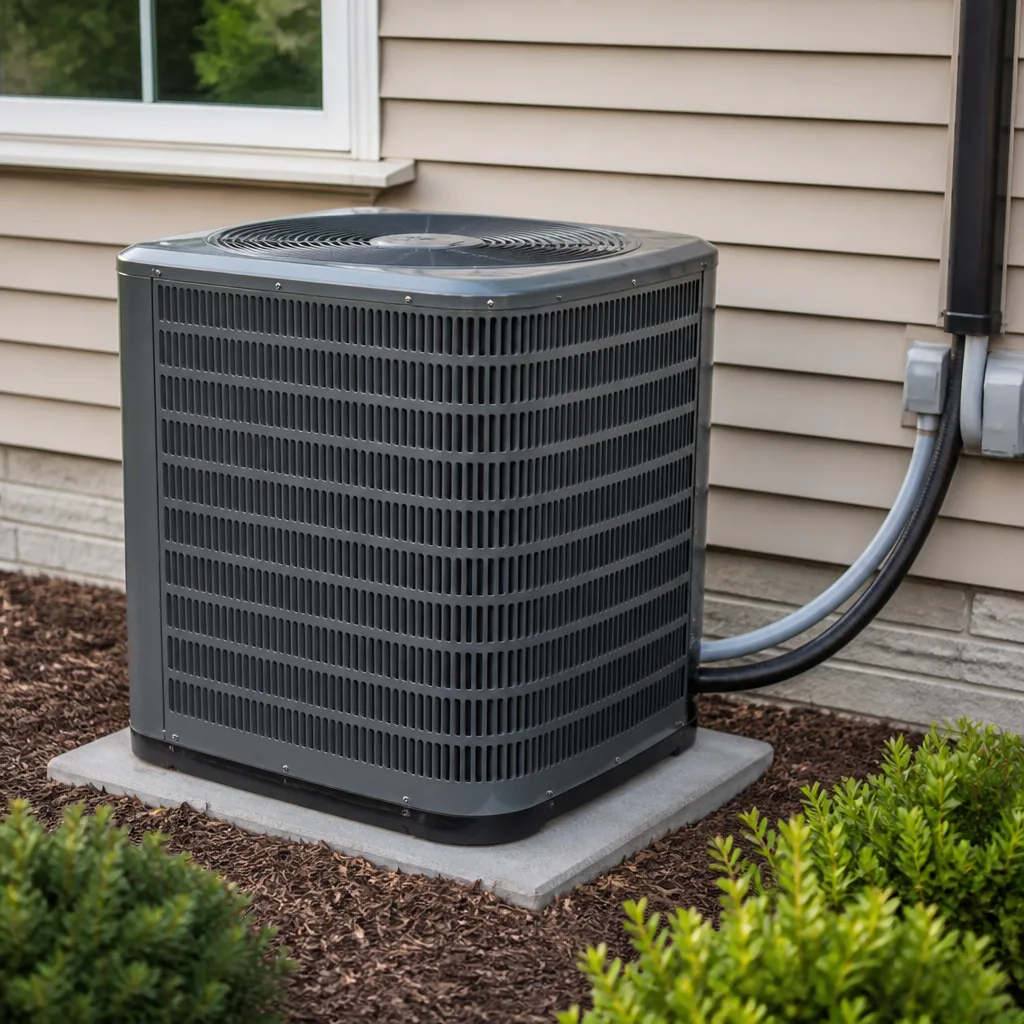 Goodman
Seasonal tune-up and full diagnostic on your Carrier, Trane, or Goodman system - readings shown to you before any repair is proposed
Diagnosis first, numbers second - you approve the repair price before a single part goes in.
Get your free estimateDIY vs Professional HVAC: The Fort Lauderdale Homeowner’s Decision Guide
Replacing your own capacitor in Fort Lauderdale is legal, takes about 20 minutes, and costs $18 in parts. But recharging your own refrigerant is a federal EPA Section 608 violation carrying fines up to $44,539 per day, and it remains one of the most commonly Googled “DIY AC fixes” in South Florida. The line between what a homeowner should touch and what requires a licensed contractor is sharper than most people realize. This guide draws that line clearly, using the specific realities of Fort Lauderdale’s climate, building codes, and equipment market, so you can spend your weekend hours where they actually pay off and never on a repair that ends up costing double.
Styles & brands we work with
Quick Answer
In Fort Lauderdale, DIY HVAC work splits into two clean categories: tasks any homeowner can legally and safely perform (filter changes, coil rinsing, drain line flushing, thermostat replacement, and capacitor swaps on many systems) and tasks that Florida law requires a licensed contractor to perform (any refrigerant handling, compressor work, electrical panel work, and anything involving gas lines). Getting the first category wrong wastes a few hours. Getting the second category wrong can void your equipment warranty, trip a code violation, or expose you to federal penalties. The smart approach is not all-DIY or all-pro, it’s knowing exactly which jobs belong in which column.
Table of Contents
- The Florida Legal Line: What a Homeowner Can and Cannot Touch
- The Refrigerant Reality: Why EPA Section 608 Is Not a Suggestion
- DIY Jobs That Actually Pay Off in Fort Lauderdale
- The Duct Sealing Trap: Humidity Makes Fort Lauderdale Different
- The Warranty Math: How a $40 DIY Fix Can Cancel a $4,000 Claim
- When DIY Costs More: Failure Scenarios Where Diagnosis Delays Add Up
- What a Professional Repair Really Costs in Fort Lauderdale
- Common Mistakes to Avoid
- When to Call a Professional
- Frequently Asked Questions
- The Bottom Line
The Florida Legal Line: What a Homeowner Can and Cannot Touch
Florida Statute 489.103 draws a bright line through residential HVAC work, and it is not where most DIY videos suggest. A homeowner working on their own primary residence can perform maintenance and a narrow set of basic repairs without a license. A contractor working on someone else’s home must hold a state Certified or Registered Air Conditioning Contractor (CAC) license, pull permits where required, and carry insurance. The moment you hire a handyman to open a refrigerant line, you have hired an unlicensed contractor, and Florida law treats that differently than a homeowner tinkering on a Saturday.
Here is the practical breakdown for a Fort Lauderdale homeowner working on their own house:
- Legal for a homeowner: changing air filters, cleaning the outside condensing unit with a garden hose, clearing the condensate drain line with a wet/dry vacuum, replacing the thermostat, replacing a capacitor on many split systems, and inspecting visible duct connections in the attic.
- Requires a licensed contractor: recovering, adding, or recharging refrigerant, repairing or replacing the compressor, any work inside the electrical disconnect or panel, any repair that requires brazing or cutting refrigerant lines, and any installation or replacement of ductwork that alters the system’s air distribution.
- Gray zone that most homeowners get wrong: replacing a blower motor or a contactor. On paper these are electrical parts swaps. In practice, they sit inside the air handler cabinet, and getting the wiring, capacitor sizing, or mounting wrong creates a fire risk or a compressor failure. We have seen DIY blower motor replacements in Fort Lauderdale where the motor ran backwards for a week before the compressor overheated.
Why does this line matter beyond the obvious safety issues? Because Florida building departments in Broward County inspect HVAC work during home sales and renovation permits. If unpermitted or unlicensed work is discovered, the homeowner can be required to bring the system into compliance before closing. For details on when permits apply, read our overview of HVAC Permits, Codes & Inspections in FL: What You Need to Know. That cost routinely exceeds the cost of having hired a licensed contractor the first time.
The Refrigerant Reality: Why EPA Section 608 Is Not a Suggestion
The federal Clean Air Act, through EPA Section 608, makes it illegal for anyone without EPA certification to purchase or handle refrigerants like R-410A or R-22. That is not a licensing formality. The civil penalty structure allows fines up to $44,539 per day per violation, and the EPA has pursued individual homeowners, not just contractors, in high-profile enforcement actions. The refrigerant in your Fort Lauderdale AC is not a consumable like gasoline; it is a regulated substance because when it vents to atmosphere it depletes ozone or traps heat, depending on the blend.
Here is what this means in plain English for a homeowner:
- You cannot legally buy refrigerant. Online sellers that ship R-410A to a residential address without a certification are violating the law, and so is the buyer. Any YouTube tutorial that tells you to “top off” your AC with a canister from an auto parts store is describing a federal violation.
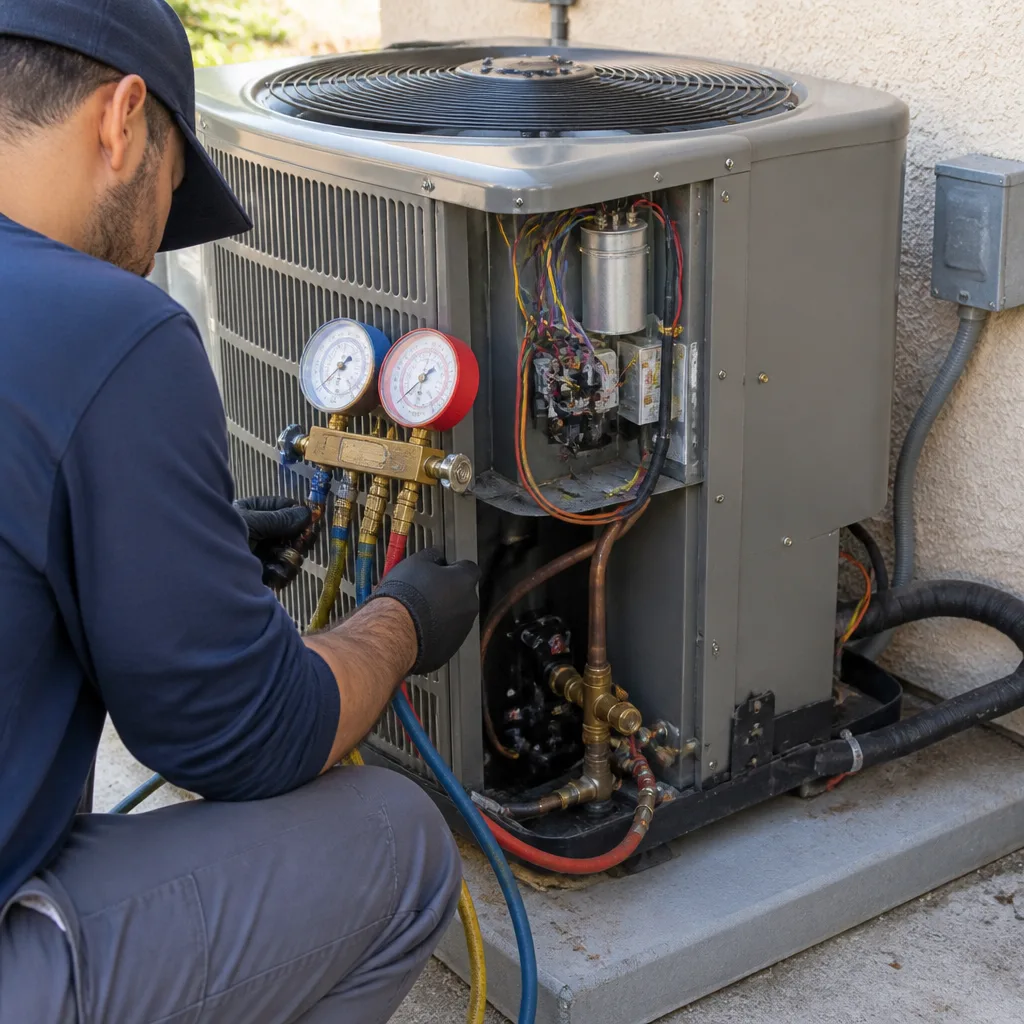
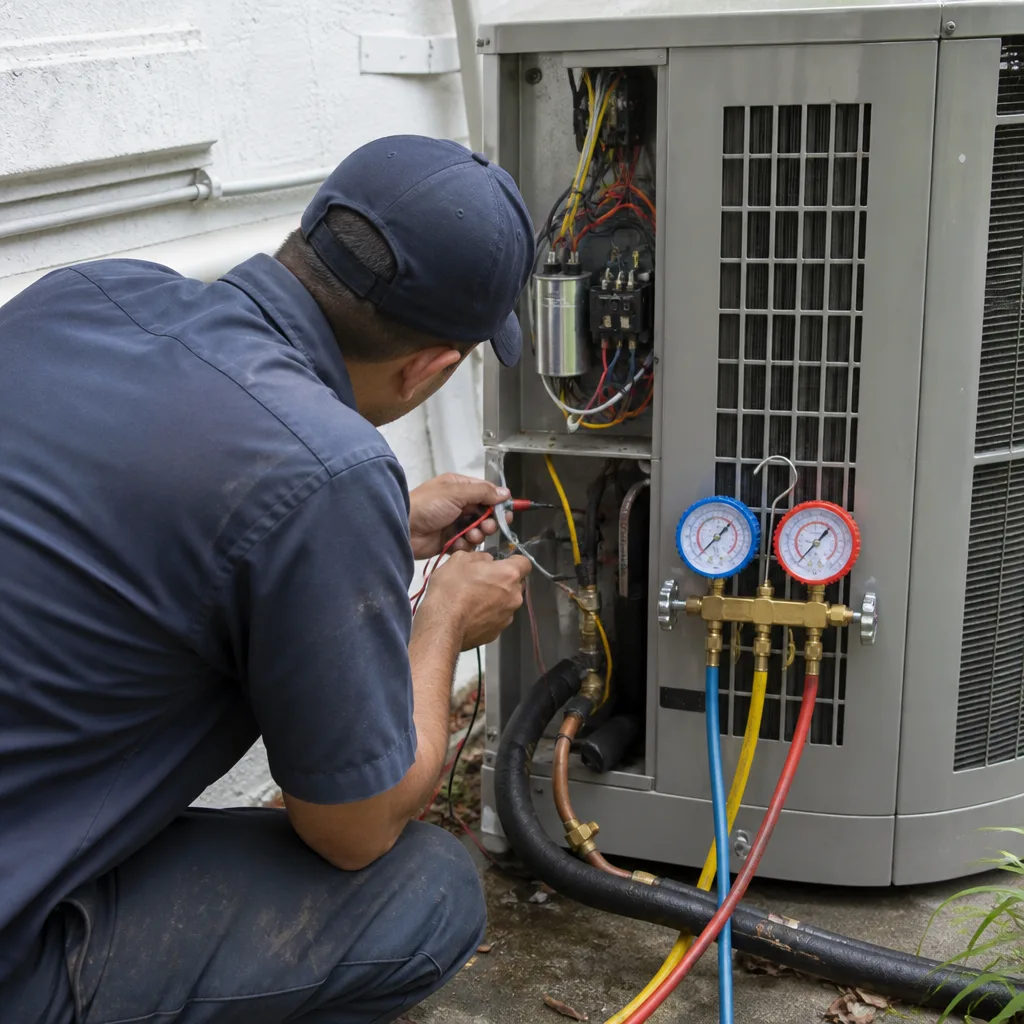
- You cannot legally connect gauges to your system. Even attaching a manifold gauge set to check pressures technically constitutes handling refrigerant, and doing so without certification violates the regulation.
- Low refrigerant is a symptom, not a diagnosis. Systems do not burn through refrigerant like oil. If the charge is low, there is a leak somewhere, and topping off without finding and repairing the leak means recharging again next year. That is bad for the environment and worse for your wallet.
In Fort Lauderdale, where AC units run 3,000 to 3,500 hours per year against a typical national average of 1,500, leak progression happens faster than it does in most of the country. A slow leak that a homeowner could ignore in Maryland for two summers becomes a no-cooling emergency by mid-July in Broward County. When refrigerant work is actually needed, a licensed contractor with EPA Section 608 certification is not optional. It is the only legal path, and it is also the only path that includes leak detection equipment worth using.
If you suspect a refrigerant leak, our AC Repair in Fort Lauderdale page explains how we diagnose and quote leak repairs, always with a written price before work begins.
DIY Jobs That Actually Pay Off in Fort Lauderdale
None of this means the homeowner’s toolbox should stay shut. In fact, the Fort Lauderdale climate makes a handful of DIY tasks more valuable here than almost anywhere else in the country. The humidity, salt air, and pollen load mean the parts of your system that get dirty do so faster, and cleaning them is genuinely effective preventive work.
The five DIY tasks below are legal, safe, and worth your time:
- Filter changes, done monthly during peak season. In Fort Lauderdale, a dirty filter is the single most common cause of a frozen evaporator coil. The fix is a $12 filter, not a service call. Write the install date on the filter frame with a marker and set a calendar reminder.
- Condenser coil rinse, done quarterly. Salt air and landscaper’s grass clippings coat the outside unit’s coil. Shut the disconnect off, hose the coil from the top down with a garden nozzle on a gentle setting, and let the fins dry. Do not use a pressure washer. Bent fins reduce airflow permanently.
- Condensate drain line flush, done every 60 days. Fort Lauderdale’s humidity means the drain line grows the biological sludge that causes the most common emergency call we get: the overflowing drain pan that trips the float switch and shuts the system down. A wet/dry vacuum on the outside drain stub, or a cup of white vinegar poured down the line monthly, prevents most clogs.
- Thermostat swap, if you own a basic digital model. A homeowner can replace a thermostat. Match the wiring to the old unit’s labeling, confirm the new thermostat is compatible with your system type (heat pump vs. straight cool matters), and kill power at the breaker before opening the unit. If the wiring looks unusual or you have a communicating system, stop and call us.
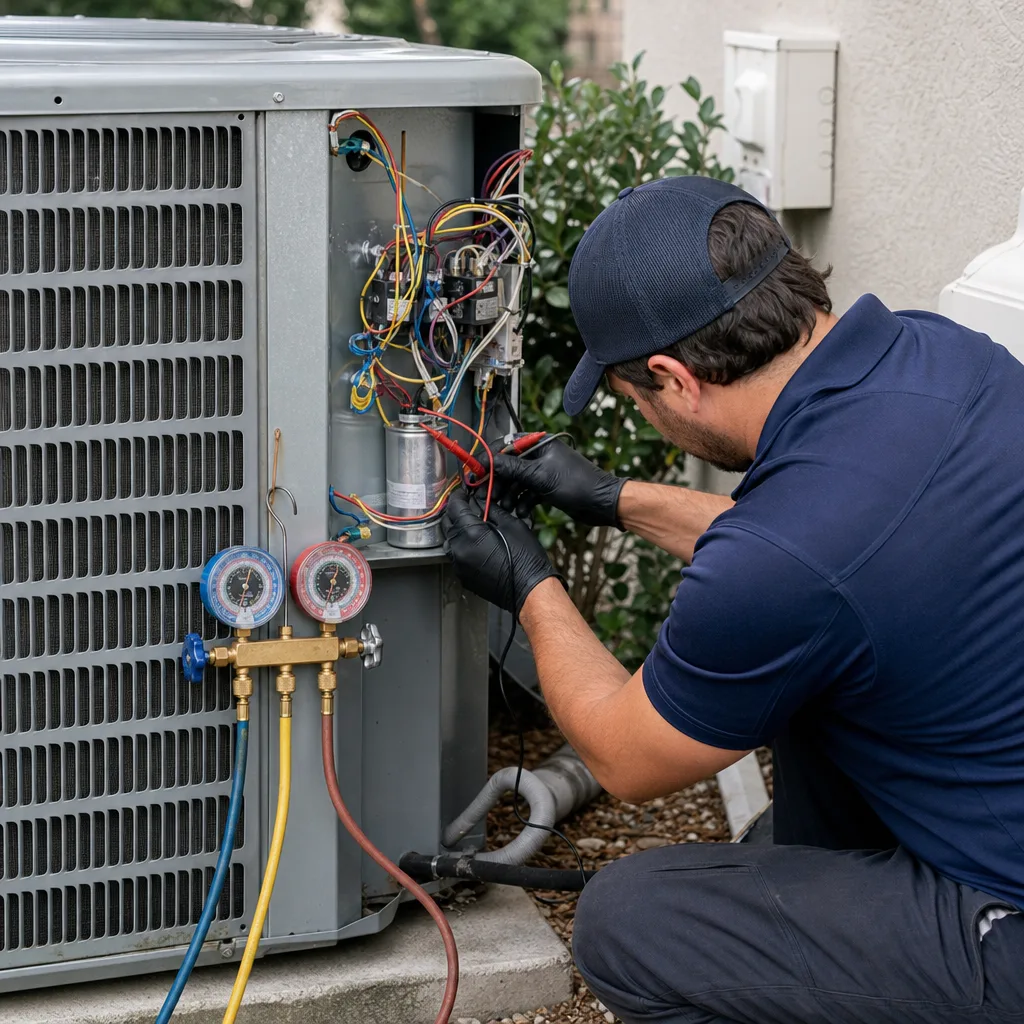
- Capacitor replacement, on many single-stage split systems. The round or oval cylinder inside the condenser cabinet stores the electrical charge that starts the fan and compressor motors. A bulging top, a leaking side, or a fan that will not spin are the telltale signs. The part is inexpensive and the swap takes minutes, but only if you are comfortable discharging a capacitor safely and working inside an electrical cabinet. If you are not, this is a cheaper service call than most people expect.
One note that matters more in Fort Lauderdale than in most places: do not skip pulling the outside disconnect before touching any of this. The disconnect is a small gray box mounted on the wall near the condenser. Pull the handle out, verify the unit does not run, and you have eliminated the highest-probability injury vector. We have seen too many homeowners open a live condenser cabinet because they only killed the thermostat, not the disconnect.
The Duct Sealing Trap: Humidity Makes Fort Lauderdale Different
Duct sealing tutorials filmed in Arizona garages show a homeowner slapping foil tape over visible seams and calling the job done. That approach in a Fort Lauderdale attic is not just ineffective. It is actively dangerous to the house, and here is why.
Fort Lauderdale’s outdoor air hovers between 65 and 75 percent relative humidity for most of the year. Your attic runs hotter than that, often 120 degrees or more in the summer, and that heat supercharges the moisture load. When a duct joint leaks, the system pulls that humid attic air into the airstream. The first thing the coil does is remove some of that moisture, which means the system works harder. But the bigger problem is what happens at the leak itself: as warm, humid air flows through the gap, condensation forms on the surrounding materials. That moisture soaks into the insulation, the drywall, and the wood framing. Within a season, that is mold.
Proper duct sealing in South Florida requires more than tape. It means:
- Accessing every joint, not just the visible ones. In most Fort Lauderdale attics, a third of the duct runs are buried under insulation or squeezed behind roof trusses.
- Mastic, not foil tape. Water-based duct mastic is the correct sealant for humid climates. Foil tape dries, shrinks, and separates under attic heat cycles.
- Testing the system’s static pressure. A sealed duct system changes how the blower motor breathes. If the ducts were leaky and the system was installed to compensate, sealing them completely can push static pressure too high, which shortens blower motor life. Most DIYers never measure this.
- Checking insulation integrity. Sealed ducts still sweat in a humid attic if the insulation has settled or been chewed by rodents. That moisture drips onto the attic floor and grows mold from the outside in.
- A homeowner replaces a capacitor on a 4-year-old Trane system in June. The part was $18 online and the job went fine.
- In August, the compressor fails. The homeowner files a warranty claim, expecting a replacement compressor valued around $3,800 to $4,200 parts and labor covered under the 10-year parts warranty.
- Trane’s claims adjuster asks for service records. There are none from a licensed contractor. The homeowner’s own email receipt for the capacitor is a red flag. The adjuster determines the capacitor was incorrectly sized or installed, or at least cannot rule it out, and denies the compressor claim.
- The homeowner now pays out of pocket for a repair that a service call plus a licensed capacitor replacement would have prevented, because a licensed contractor would have documented the repair and the part would have been covered.
- Refrigerant loss. A slow leak looks like a dirty coil problem at first. The homeowner cleans the coil, replaces the filter, maybe swaps the thermostat, and the system still underperforms. Six weeks and three weekends later, the compressor overheats and fails permanently. The original leak was a repairable $180 brazed joint. The final bill is a compressor replacement. That is the cost of delayed diagnosis.
- Compressor start issues. A failing start capacitor or a weakening compressor contactor mimics a dead compressor. A homeowner who tests the compressor by listening for a hum and then shopping for a new system could be $600 away from a repair, not $6,000 away from a replacement. But only a technician with an amp-clamp meter and the experience to read it can tell the difference. Every week without diagnosis is another week of strain on the compressor.
- Electrical board faults. Modern air handlers have control boards that fail in specific ways. A blank thermostat, a fan that runs constantly, or a system that starts and stops at random can be a bad board, a bad transformer, or a bad wire connection. Throwing parts at the problem in the wrong order sometimes fixes it by luck and sometimes destroys a good board. The service call to diagnose a board fault is almost always cheaper than the parts a homeowner buys trying to find the fault.
- Capacitor replacement: $140 to $240, depending on the capacitor type and whether it is single or dual run.
- Condensate drain line flush and clean: $125 to $200, including clearing the line and treating it against regrowth.
- Contact replacement: $160 to $260, including the part and the labor to replace and test it.
- Blower motor replacement: $380 to $700, depending on whether the motor is standard efficiency or an ECM variable-speed motor.
- Thermostat replacement and setup: $220 to $420, including the thermostat, wiring verification, and programming for your system type.
- Refrigerant leak detection and repair: $350 to $900, depending on whether the leak is accessible and whether the system needs to be recovered and recharged.
- Assuming YouTube weather matches Fort Lauderdale weather. Most DIY HVAC videos are filmed in drier climates. A repair technique that works in a Las Vegas summer can create condensation problems in a Fort Lauderdale attic within a season.
- Buying parts by part number only. The correct part number with the wrong microfarad rating or voltage tolerance will fit and fail, sometimes damaging the component it was supposed to protect. Match the spec sheet, not just the number.
- Using a pressure washer on the condenser coil. This bends the aluminum fins, restricts airflow, and reduces system capacity permanently. A garden hose on a normal setting is enough.
- Ignoring the electrical disconnect. The thermostat is not a power switch. Pull the disconnect at the outside unit before any work inside the condenser cabinet.
- Adding refrigerant to a system that has a leak. Even if you had legal access to refrigerant, topping off without finding and repairing the leak means paying for the same repair again next year, and this time with a bigger leak.
- Sealing every visible duct joint with tape and calling it done. In a humid attic, improperly sealed ducts cause condensation, mold, and reduced airflow, and foil tape is not the correct material for South Florida’s humidity cycle.
- Voiding a warranty to save a service call. If your system is still under the manufacturer’s warranty, an undocumented DIY repair can kill the coverage for a much larger future claim. Keep the DIY work to filters and drain lines while the warranty is active.
We are not saying a homeowner can never inspect their own ducts. You should look. Just understand that what an inspection shows you in a Fort Lauderdale attic is whether a professional needs to come, not whether you can finish the job with a roll of tape and an afternoon.
The Warranty Math: How a $40 DIY Fix Can Cancel a $4,000 Claim
Every major residential HVAC brand, including Carrier, Trane, Lennox, and Goodman, includes language in its warranty documents that requires installation and service by a licensed contractor. The exact wording varies, but the effect does not. If a homeowner performs a repair and the manufacturer later determines that the repair contributed to a component failure, the warranty claim can be denied.
Here is the scenario we see repeated in Fort Lauderdale every summer, and it is the strongest argument for knowing the legal line cold:
This is not hypothetical. Manufacturer warranty departments look for reasons to deny claims, and undocumented DIY work is the easiest reason available. The practical takeaway: if your system is under warranty, any repair beyond a filter change should go through a licensed contractor so the work is documented. If the system is out of warranty, the DIY calculus shifts, because there is no warranty to protect.
For context, our Furnace Repair in Fort Lauderdale page covers the same warranty logic for heating systems, which matters for the handful of cold fronts we get each winter.
When DIY Costs More: Failure Scenarios Where Diagnosis Delays Add Up
The most expensive HVAC bills in Fort Lauderdale are not labor rates. They are the result of a wrong diagnosis pursued for too long. A homeowner with a multimeter and a YouTube playlist can spend three weekends and $250 in parts chasing a problem that a licensed technician would identify in 45 minutes. That is not a knock on homeowners. It is a description of the information gap between someone who sees a few failures and someone who sees hundreds.
Three specific failure scenarios illustrate the point:
The pattern is the same in all three: the technician’s value is not the wrench turning. It is the diagnosis. And in Fort Lauderdale, where cooling is a health necessity for roughly ten months of the year, the cost of a wrong diagnosis is measured in sweating through several weeks of summer, not just wasting a Saturday.
What a Professional Repair Really Costs in Fort Lauderdale
One reason homeowners attempt DIY work is a vague fear that professional HVAC service is priced like open-heart surgery. The reality in Fort Lauderdale’s market is more ordinary. Here are the ranges we quote most often, parts and labor included, on a written price before any work begins:
Every one of these jobs is issued with a written guarantee under our 365-Day Done Right Promise. If the repair fails within that year, we come back and correct it at no charge. That is a promise written down before the technician leaves, not a verbal reassurance. And it is the reason a professional repair is often cheaper than a DIY attempt when you factor in the cost of getting it wrong twice.
We are an independently owned and operated HVAC business founded in 2003, part of the Kingswell network of independently owned and operated HVAC businesses. That structure means every technician who walks through a Fort Lauderdale door works to the same written standards: say the price before the work, show up in the window given, leave the place cleaner than found, put the guarantee in writing, and come back if it fails. We call it The Kingswell Way, and it is written into every job.
Victor Mancini, our owner, has made the Kingswell Guarantee the backbone of how we operate in Fort Lauderdale. A live person answers the phone 24 hours a day, every day of the year. Our technicians are background-checked, uniformed, and trained to service nine major residential brands, including Carrier, Trane, Lennox, Goodman, Rheem, York, Daikin, Bryant, and American Standard.
Common Mistakes to Avoid
When to Call a Professional
Call a licensed contractor if the system is low on refrigerant, if the compressor will not start, if the electrical board is behaving unpredictably, if the blower motor has failed, or if the system is making a sound you have never heard before. Each of these failures can be diagnosed in under an hour by a trained technician, and each can be made worse by continued DIY investigation. A service call costs less than a wrong diagnosis.
Cold Harbour Heating and Air Fort Lauderdale offers free estimates in Fort Lauderdale. Call (754) 354-7289 and a live person will answer, any hour, any day. If you are not sure which column your problem falls in, ask us. The conversation costs nothing, and we will tell you honestly whether the job is a DIY task or a service call. For a full picture of how we handle the jobs that require a license, see our AC Installation in Fort Lauderdale page or start with the Cold Harbour Heating and Air Fort Lauderdale home page.
Frequently Asked Questions
Yes, on your own primary residence, replacing a capacitor is legal in Florida so long as you are doing the work yourself and not hiring an unlicensed person to do it. The work requires pulling the outside electrical disconnect and safely discharging the capacitor before removal. If you are not comfortable working inside an electrical cabinet, the part is inexpensive and the service call is a lower-cost repair, typically in the $140 to $240 range in Fort Lauderdale.
Yes, under EPA Section 608, only EPA-certified technicians may purchase, handle, or add refrigerant to an AC system. The fine structure allows up to $44,539 per violation per day, and the rule applies to homeowners, not just contractors. If your Fort Lauderdale AC is low on refrigerant, the low charge is a symptom of a leak that needs to be found and repaired, not just topped off. Call (754) 354-7289 for a free estimate on leak detection and repair.
Potentially, yes. Major manufacturers like Carrier, Trane, Lennox, and Goodman include warranty language requiring service by a licensed contractor. If a future component failure can be connected to an undocumented DIY repair, the manufacturer can deny the warranty claim. If your Fort Lauderdale home’s system is still under warranty, keep DIY work to filter changes and drain line maintenance, and let a licensed contractor handle anything involving electrical or mechanical components.
You can change the air filter monthly during peak season, rinse the outside condenser coil with a garden hose quarterly, flush the condensate drain line with a wet/dry vacuum or vinegar every 60 days, and replace a basic digital thermostat if the wiring is straightforward. These four tasks prevent the majority of no-cooling calls we see in Fort Lauderdale, and none of them requires a license.
Fort Lauderdale’s high outdoor humidity and hot attic temperatures mean that duct leaks pull moisture-laden air into places where it condenses on insulation and framing, causing mold growth within a season. Dry-climate duct sealing tutorials do not account for this. Proper South Florida duct sealing uses mastic rather than foil tape, requires access to every joint including buried runs, and should include a static pressure check afterward. This is a job that usually warrants a licensed contractor.
Most common repairs in Fort Lauderdale fall between $125 and $700 parts and labor included, with capacitor replacement at $140 to $240, drain line clearing at $125 to $200, and blower motor replacement at $380 to $700. Refrigerant leak detection and repair runs $350 to $900 depending on accessibility. Every repair from Cold Harbour Heating and Air Fort Lauderdale includes a written price before work begins and a written 365-Day Done Right Promise.
The Bottom Line
The DIY-versus-professional HVAC decision is not really a debate. It is a sorting problem. Some tasks in Fort Lauderdale are ordinary homeowner maintenance: filters, drain lines, coil rinses, and thermostat swaps. Others are legal violations, warranty killers, or expensive mistakes waiting to happen: refrigerant handling, compressor work, board diagnostics, and duct sealing in a humid attic. The homeowner who sorts the tasks correctly saves real money every year and never ends up paying double for a repair that a service call would have caught early. When the job needs a licensed contractor, the right call is a company that puts its price and its guarantee in writing. Cold Harbour Heating and Air Fort Lauderdale has done exactly that since 2003.
Written by Victor Mancini, Owner at Cold Harbour Heating and Air Fort Lauderdale, serving Fort Lauderdale since 2003.
See the difference
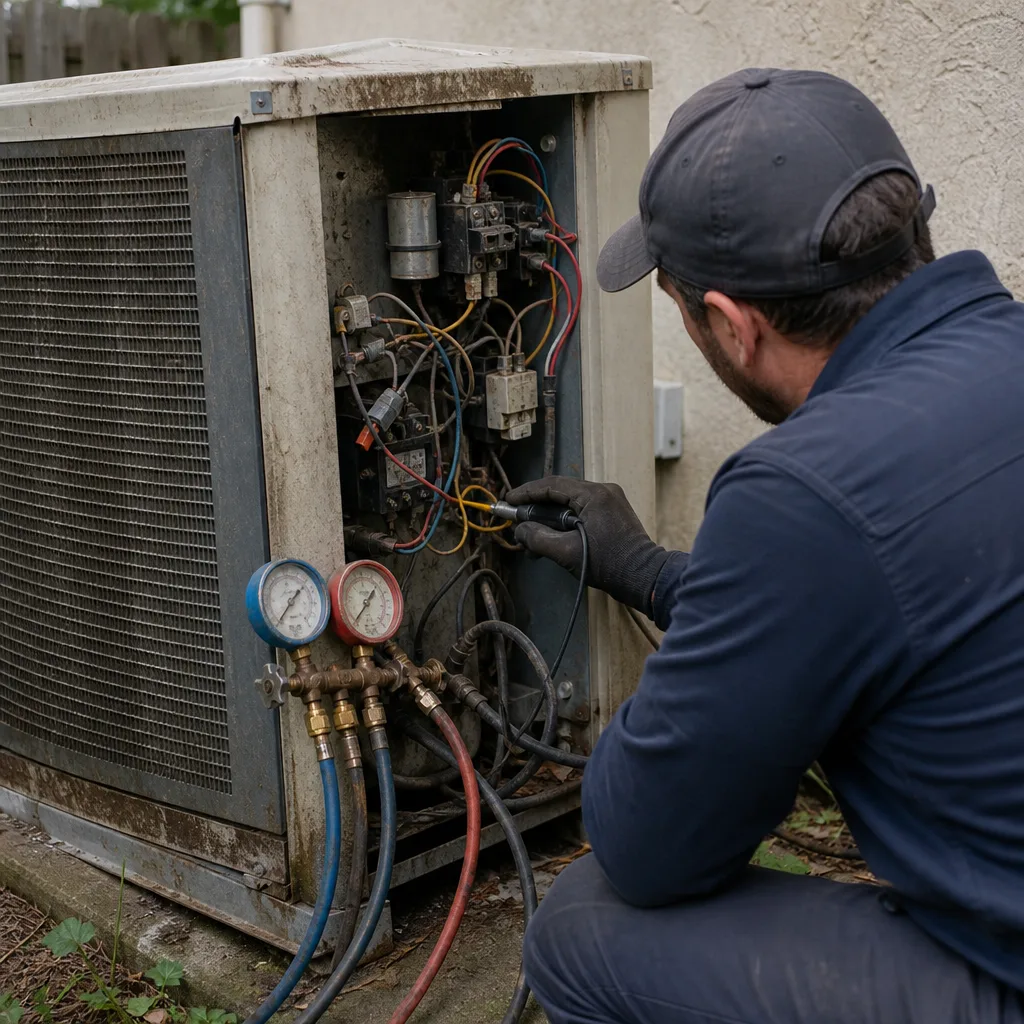 Before
 After
After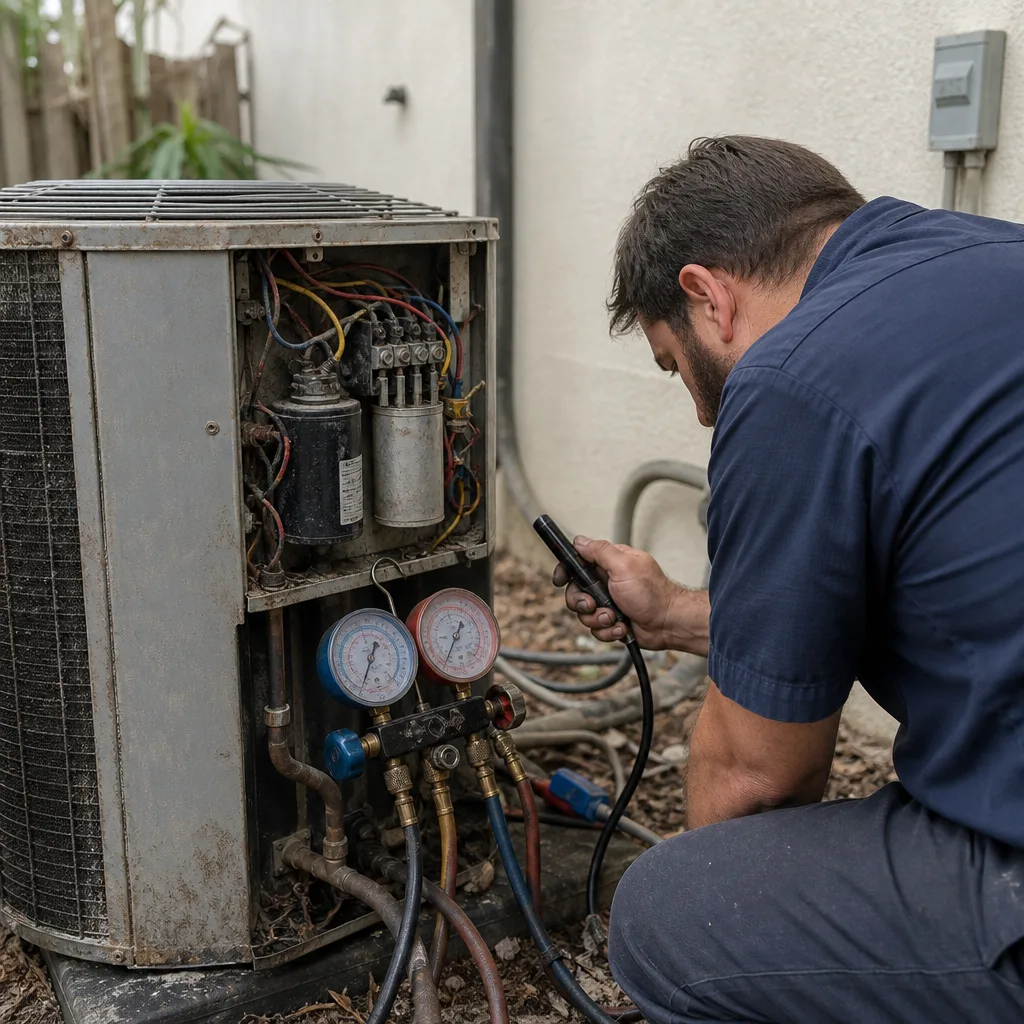 Before
 After
After Before
 After
After