
Last updated October 16, 2026
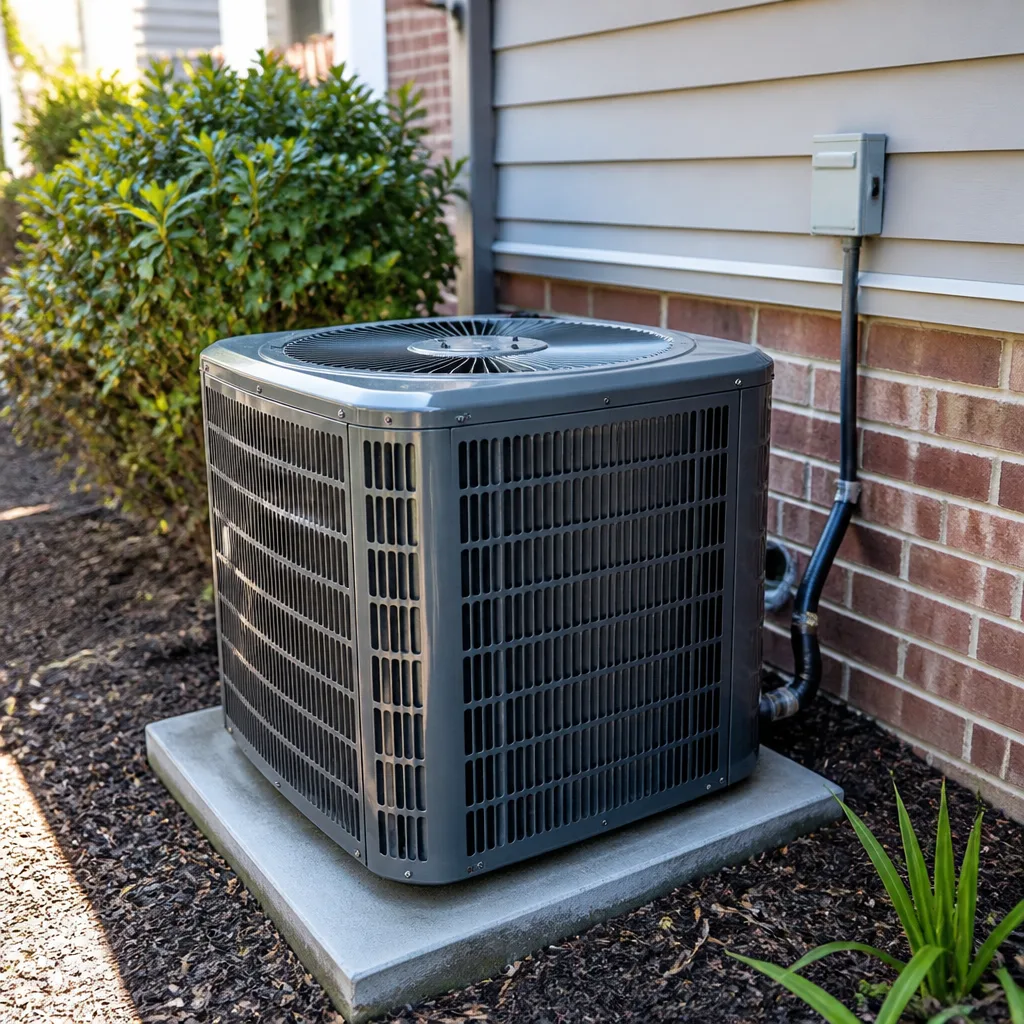 AC repair
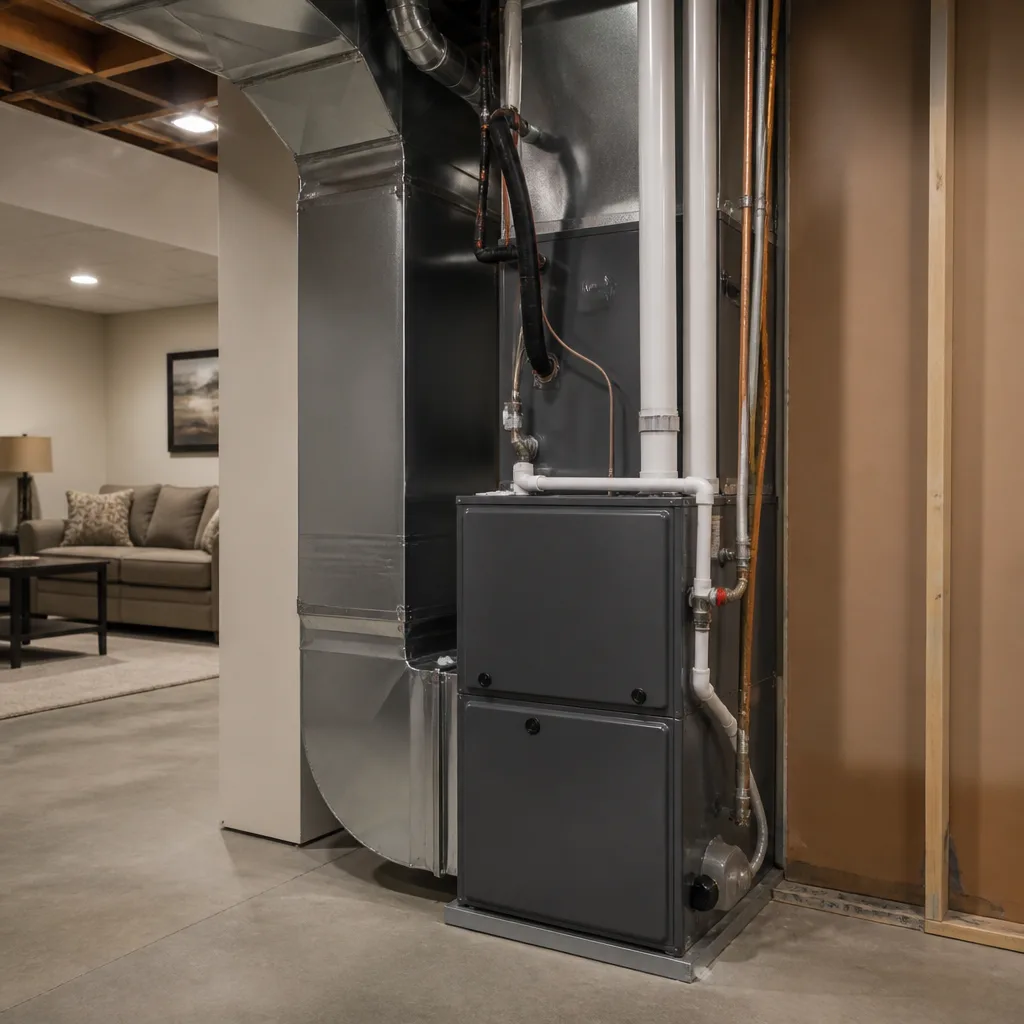 Furnace & heating
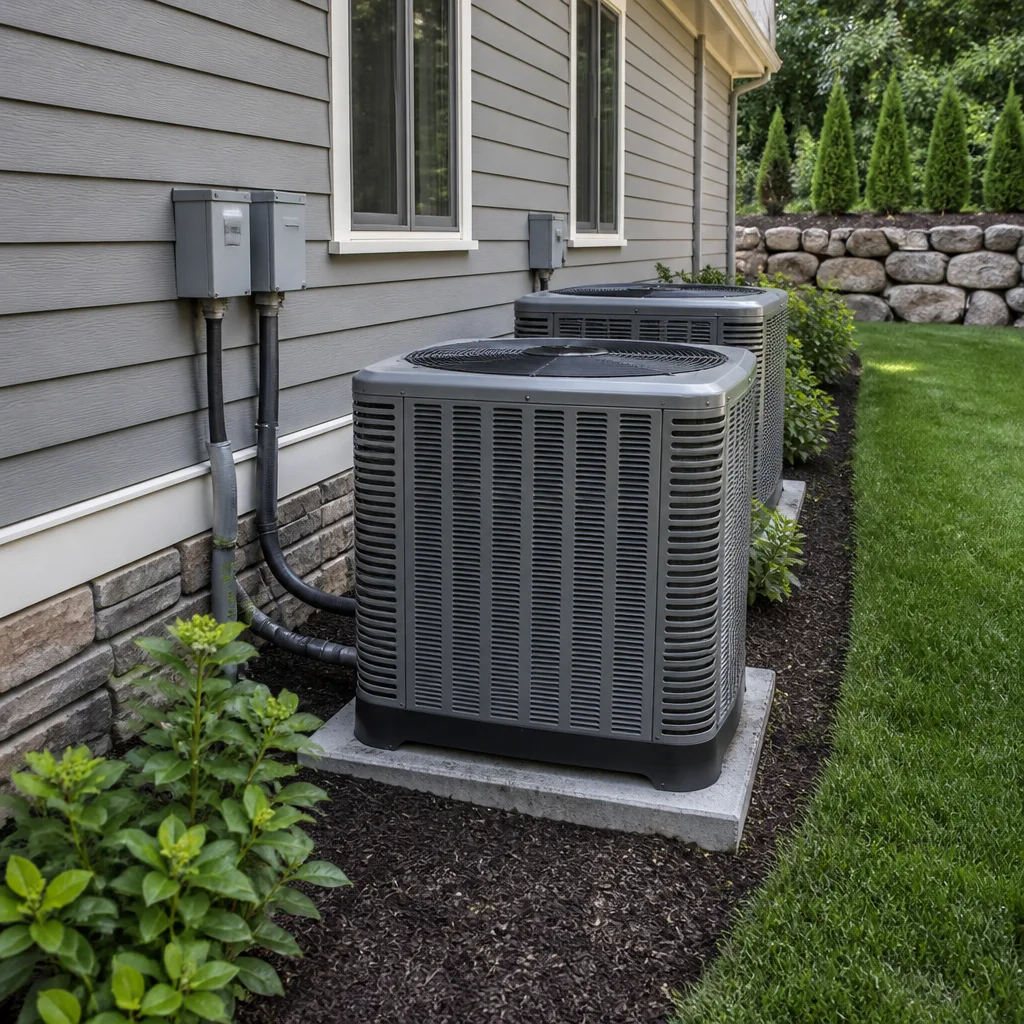 Heat pumps
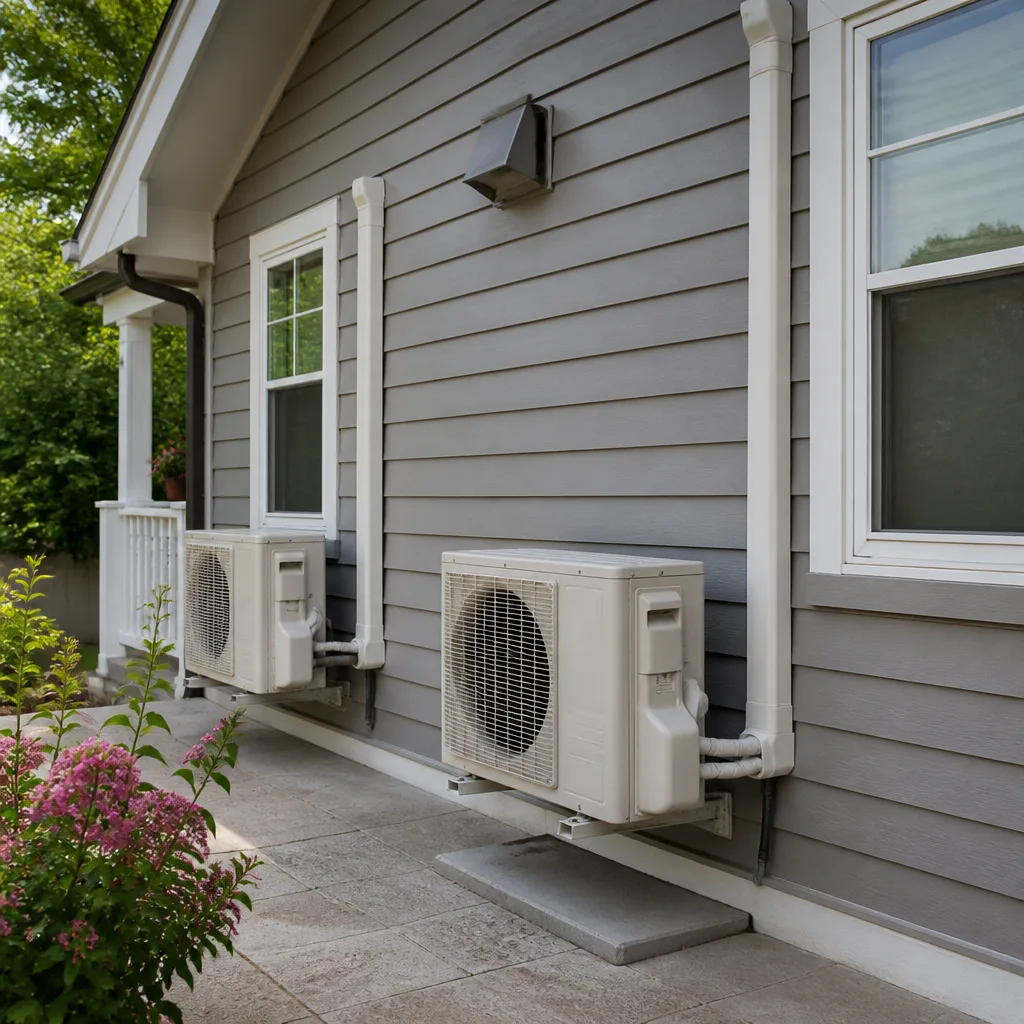 Ductless mini splits
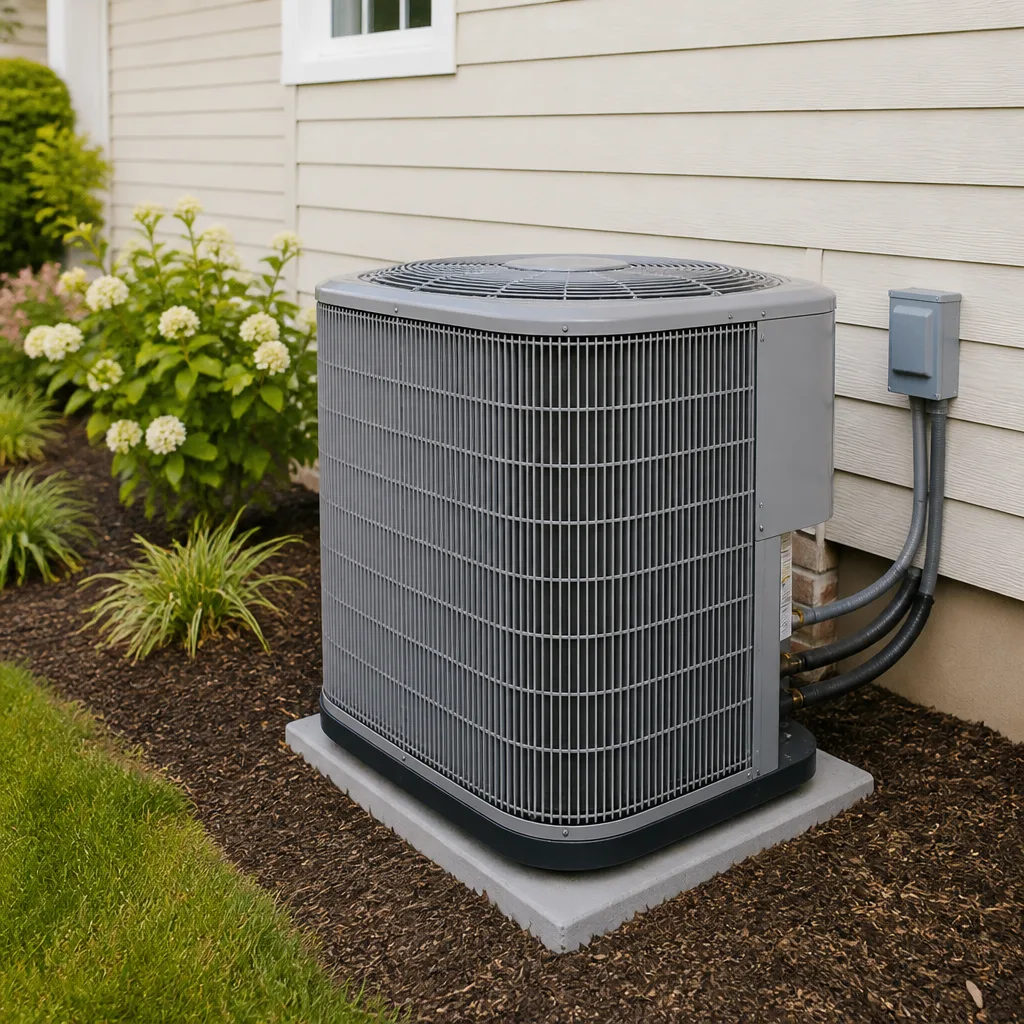 Carrier
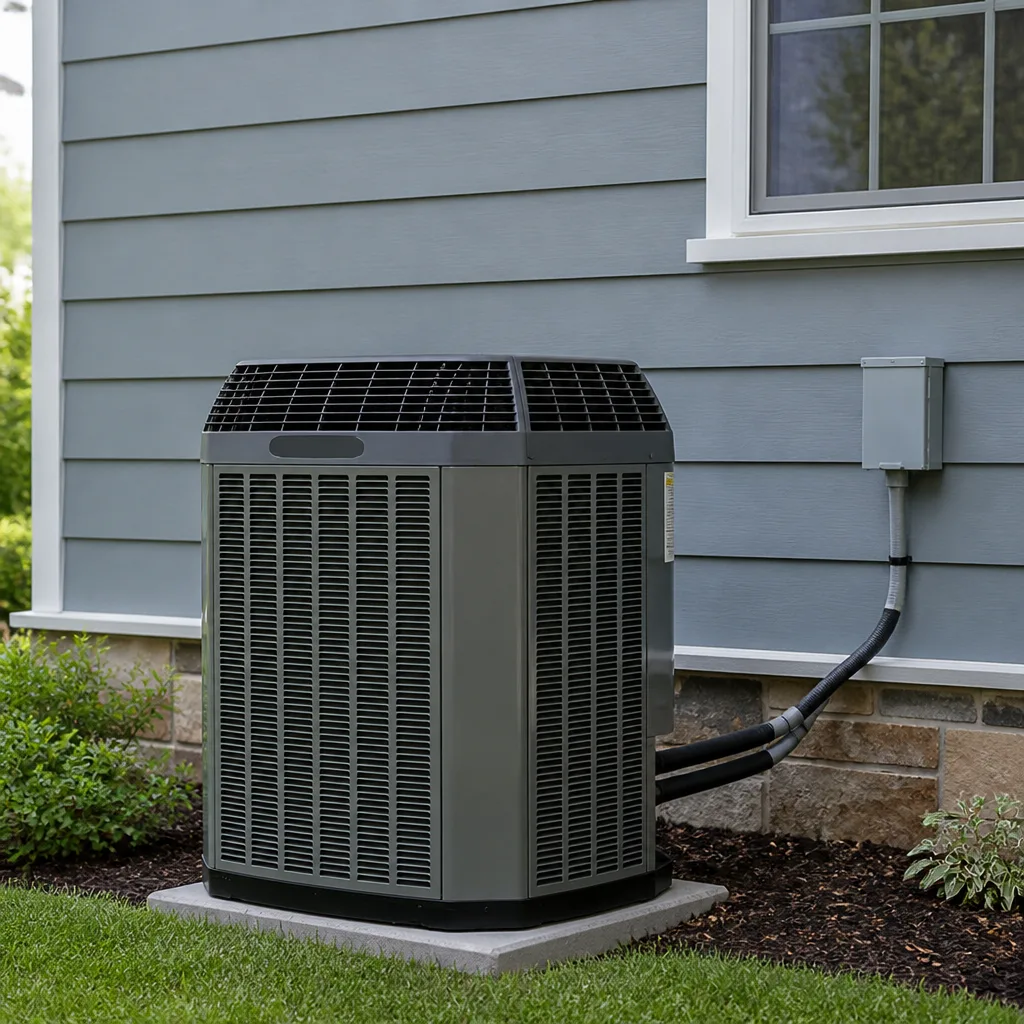 Trane
Trane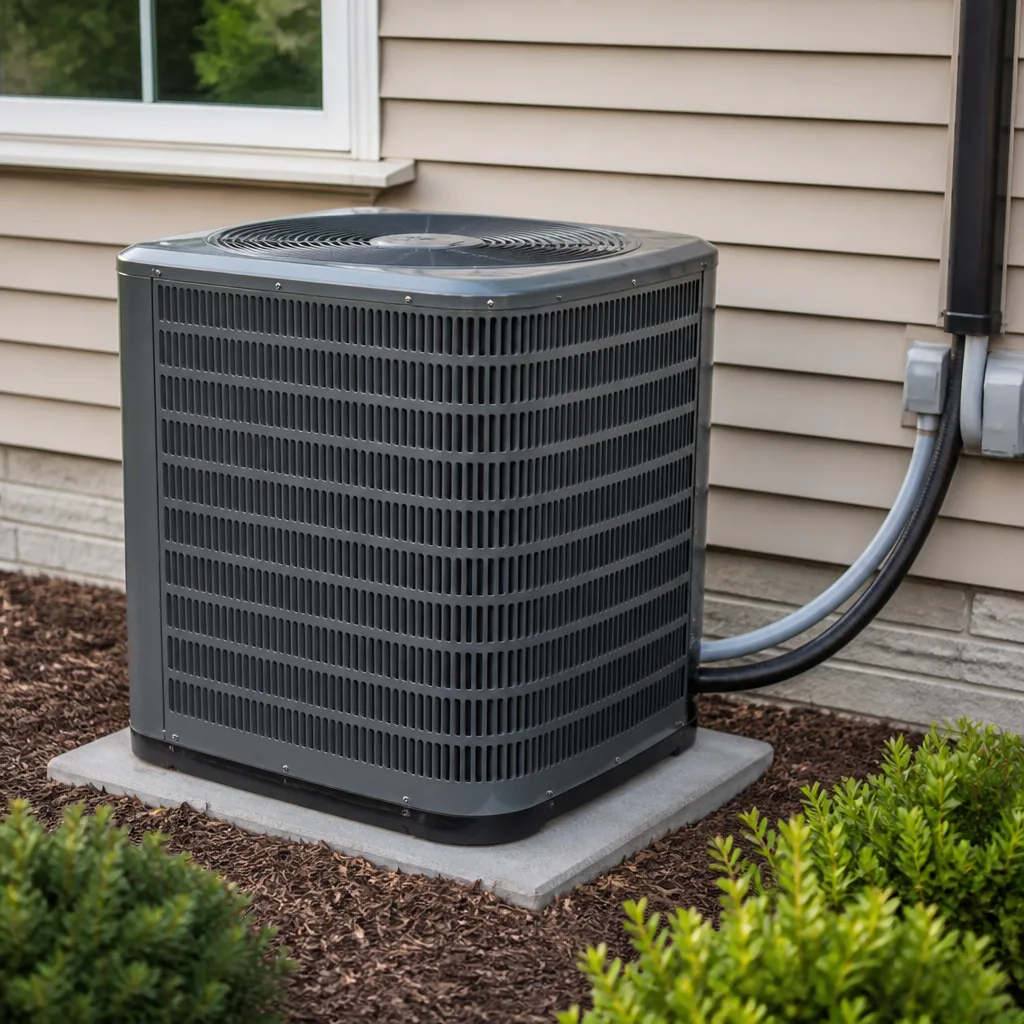 Goodman
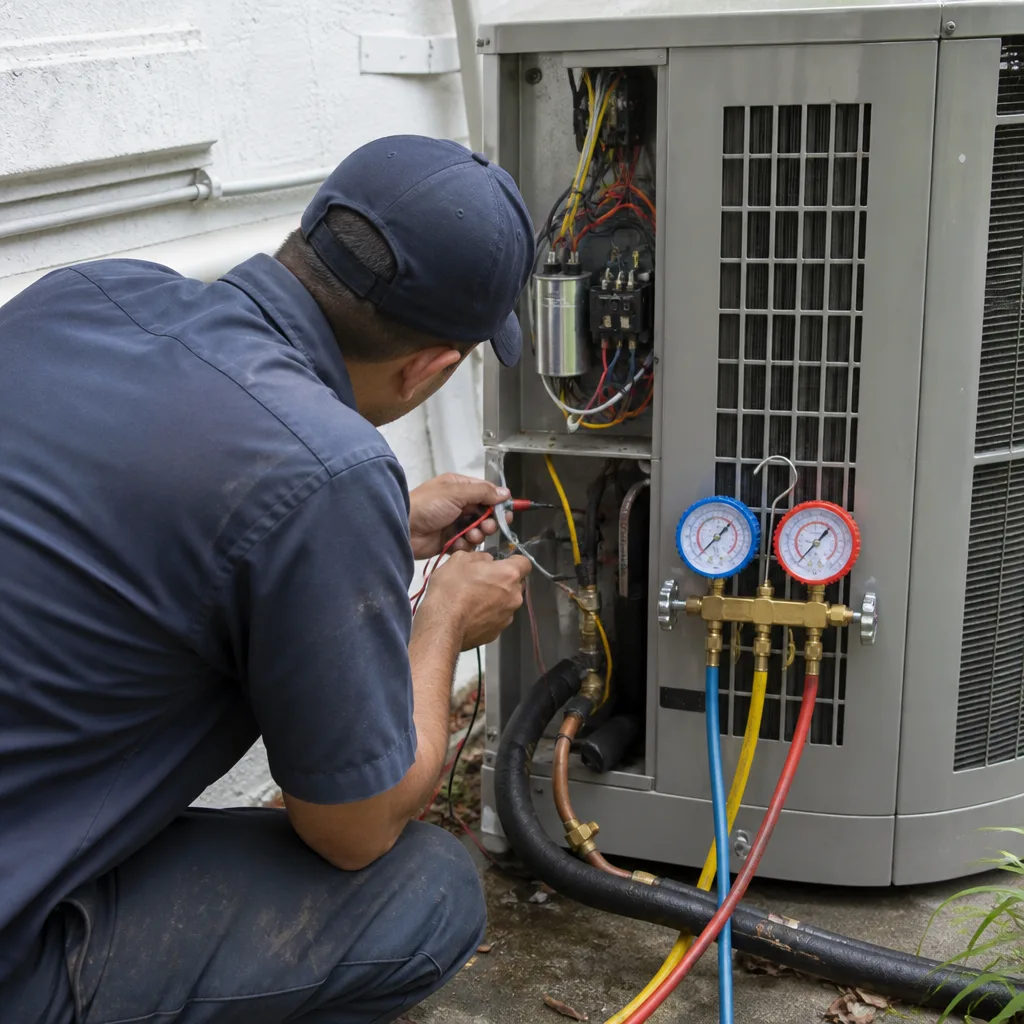
Seasonal tune-up and full diagnostic on your Carrier, Trane, or Goodman system - readings shown to you before any repair is proposed
Diagnosis first, numbers second - you approve the repair price before a single part goes in.
Get your free estimateHow to Hire a HVAC Contractor in Fort Lauderdale: A Step-by-Step Guide
Florida’s Department of Business and Professional Regulation logged more than 1,200 unlicensed contractor complaints in Broward County over a recent two-year span, and HVAC work consistently lands in the top three trades cited. That should tell you something about the Fort Lauderdale market: the barrier to entry for a guy with a truck, a set of gauges, and a Craigslist ad is basically zero. This guide-along with our more guides & resources-walks you through exactly how to separate a licensed, insured, permit-pulling professional from the cash-job operators who vanish the first time something fails. By the time you finish reading, you’ll know the four questions that matter most, how to verify a Florida CAC license in under 90 seconds, and why the cheapest quote is rarely the cheapest repair.
Styles & brands we work with
Quick Answer
To hire an HVAC contractor in Fort Lauderdale, verify their Florida CAC license on the DBPR website, confirm they pull a Broward County mechanical permit for any installation or major repair, and require four things in writing before work begins: a fixed price, a defined arrival window, a named permit holder, and a written repair guarantee of at least one year. The entire verification process takes less than 90 seconds once you know what you’re looking at, and it eliminates most of the risk in this market.
Table of Contents
- Step 1: Verify the Florida CAC License on the DBPR Website
- Step 2: Understand What the License Status Codes Actually Mean
- Step 3: Ask the Four Questions That Separate Pros from Trunk Slammers
- Step 4: Require a Broward County Mechanical Permit
- Step 5: Read the Estimate Like an Auditor
- Step 6: Spot the Fort Lauderdale Red Flags
- Common Mistakes to Avoid
- When to Call a Professional
- Frequently Asked Questions
- The Bottom Line
Step 1: Verify the Florida CAC License on the DBPR Website
Every legitimate HVAC contractor in Fort Lauderdale carries a Florida CAC license, which stands for Certified Air Conditioning Contractor. The “C” matters: it means the license is issued by the state and is valid anywhere in Florida, including all of Broward County. A “RA” prefix means Registered Air Conditioning Contractor, and that license is only valid in the specific county or municipality where it was registered. Fort Lauderdale requires at minimum a state-certified or state-registered contractor, but a CAC is what you want to see.
Here’s the 90-second verification process:
- Go to myfloridalicense.com, which is the DBPR’s public license lookup portal.
- Enter the contractor’s name or license number in the search fields. If you only have a name, use the “Search by Name” tab and select “Certified Air Conditioning Contractor” from the license category dropdown.
- Confirm the license number starts with “CAC” followed by six digits. That format tells you immediately it’s a state-certified air conditioning license, not a general contractor license or a plumbing license.
- Check that the status reads “Current, Active.” Anything else is a problem.
- Look at the “Original License Date” field. A contractor who has held a CAC for ten years or more has survived multiple DBPR audits, insurance renewals, and continuing education cycles. That’s a meaningful signal.
- Scroll down to the “Discipline” and “Complaint” sections. A clean record or a small number of resolved complaints is normal. A pattern of open complaints is not.
In our experience at Cold Harbour Heating and Air Fort Lauderdale, maybe one homeowner in twenty actually runs this check before calling us. That’s not a criticism, it’s just a fact about how busy people live. But the five minutes it takes to verify a license on the DBPR portal is the single highest-value action you can take before anyone touches your equipment.
If a contractor hesitates, says their license number is “on the truck,” or tells you they work under someone else’s license, end the conversation. Licensed contractors in Fort Lauderdale are required to print their CAC number on every invoice, estimate, and advertisement. We put ours on everything we hand a customer, including the written price sheet before any work starts.
Step 2: Understand What the License Status Codes Actually Mean
The DBPR lookup tool returns several possible status codes, and most homeowners don’t know how to read them. Here’s what you’re looking at when you see each one:
- Current, Active: The license is valid, the contractor is compliant with insurance and continuing education requirements, and they can legally perform HVAC work in Fort Lauderdale. This is the only status you should accept.
- Current, Inactive: The contractor has a license but has voluntarily placed it in inactive status, usually because they’re not currently operating. An inactive license cannot be used to perform work. Walk away.
- Delinquent: The contractor failed to renew or complete required continuing education. The license is not valid for new work until the delinquency is cured. A contractor who lets this happen is not managing their business carefully.
- Null and Void: The license was revoked or the contractor failed to renew within the reinstatement window. This person cannot legally perform HVAC work, period. If someone shows you a license with this status, they’re either unaware or dishonest. Neither is good.
- Probation: The license is active but subject to monitoring because of a prior disciplinary action. This isn’t automatically disqualifying, but you should read the underlying discipline record to understand what happened. A probation related to unlicensed activity or fraud is a hard no.
Fort Lauderdale’s hot, humid climate means air conditioning runs nearly year-round, and that creates a lot of incentive for unlicensed operators to work cheap. The DBPR’s Fort Lauderdale field office handles enforcement across Broward County, but they’re outnumbered. The responsibility for verification falls on you, and the status code is the first thing you check.
Contractors like Victor Mancini, who owns Cold Harbour Heating and Air Fort Lauderdale, have been licensed since 2003 and have clean DBPR records. A twenty-plus-year license with no significant discipline history tells you something concrete: this contractor has been held accountable to state standards for decades and has met them.
Step 3: Ask the Four Questions That Separate Pros from Trunk Slammers
The Broward County HVAC market has a persistent problem with what the trade calls “trunk slammers”: unlicensed or underinsured operators who work out of a pickup truck, take cash, and disappear when something fails. They advertise on social media, they leave flyers on doors after storms, and they quote prices that seem too good to be true because they usually are.
The way to separate a legitimate Fort Lauderdale HVAC contractor from a trunk slammer isn’t to read a hundred Google reviews. It’s to ask four specific questions before anyone touches your equipment. Here they are:
- “What is the written price before any work starts?” A licensed contractor will hand you a price in writing before a single tool comes out of the truck. That price includes parts, labor, refrigerant if applicable, and any ancillary materials. It does not change at the door. If the answer is “it depends” or “we’ll see once we get in there,” you’re dealing with someone who wants the flexibility to raise the number later.
- “What is the arrival window, and what happens if you miss it?” Fort Lauderdale traffic on I-95 or Sunrise Boulevard can wreck any schedule, but a professional contractor gives you a defined window, not a vague “sometime Tuesday.” More importantly, they tell you what happens if they’re late. At Cold Harbour Heating and Air Fort Lauderdale, a live person answers the phone 24 hours a day, so if a technician is running behind, you can call and get a straight answer. If a contractor won’t commit to a window, they’re telling you they don’t manage their schedule.
- “Who pulls the Broward County mechanical permit?” The correct answer is “we do.” The contractor who does the work is the one who pulls the permit, schedules the inspection, and stands behind the installation when the inspector walks through. If a contractor tells you to pull the permit yourself or says a permit isn’t needed, that’s a red flag I’ll cover in Step 4.
- “What happens if the repair fails in the first year?” A serious contractor has a written answer to this question. At Cold Harbour, it’s the 365-Day Done Right Promise: every repair comes with a written guarantee, and if that repair fails at any point within 365 days, we come back and correct the work at no charge. No argument, no re-diagnosis fee, no fine print. If a contractor answers this question verbally but won’t put anything on paper, treat the guarantee as nonexistent.
Those four questions take about two minutes to ask over the phone. They filter out most of the bad actors in the Fort Lauderdale market before anyone has even arrived at your door.
Step 4: Require a Broward County Mechanical Permit
This is the step most homeowner guides miss entirely, and in Fort Lauderdale it’s one of the most important things you’ll read in this post.
Broward County requires a mechanical permit for most HVAC installations, including full system replacements, new ductwork, and in many cases, major component replacements like compressor changeouts. Learn more in our guide to HVAC Permits, Codes & Inspections in FL: What You Need to Know. The permit triggers an inspection, and the inspection creates a public record that the work was done by a licensed contractor to current Florida Building Code standards.
Here’s what a contractor who skips the permit is actually telling you: the work will be done without a third-party inspection, and if something goes wrong, the legal and financial liability for that installation transfers onto you, not them. An unpermitted installation can become a problem when you sell the house, because disclosure laws require you to indicate whether work was done under permit. It can become a problem if the installation causes a fire or a refrigerant leak that damages your property, because your homeowner’s insurance may deny a claim on unpermitted work. And it can become a problem if you ever have a dispute with the contractor, because there’s no official record of what was installed or who installed it.
A contractor who pulls a Broward County permit is accepting accountability. The permit number identifies them as the contractor of record, the inspection verifies the work, and the record lives in the county database. We pull permits on every installation we do in Fort Lauderdale. It’s not a luxury add-on, it’s how the job is supposed to be done.
The cost of a Broward County mechanical permit is typically a few hundred dollars, depending on the scope of work. A contractor who claims pulling a permit “isn’t worth the cost” is saving themselves time and accountability at your expense. Don’t let them.
Step 5: Read the Estimate Like an Auditor
Most homeowners read an HVAC estimate the way they read a restaurant bill: one glance at the bottom number, then a decision. That’s a mistake, because the difference between a good estimate and a bad one isn’t just the total price, it’s whether you can see exactly what you’re paying for.
A proper Fort Lauderdale HVAC estimate itemizes three things separately: parts, labor, and refrigerant. When those three line items are broken out, you can see what the contractor is charging for each component and compare apples to apples between bids. When they’re bundled into a single number, you’re flying blind, and the contractor’s margin is protected at your expense.
Here’s how to read a service estimate line by line:
- Parts: This should name the specific component being replaced, ideally with a manufacturer and model number. A line that says “compressor replacement parts” without a brand or part number is vague. A line that says “Goodman GSX16 compressor, 2-ton, R-410A” tells you exactly what’s going in. If you have a Carrier, Trane, Lennox, or Goodman system, the estimate should reference your actual equipment.
- Labor: This is the technician’s time, and it should be a flat number for the specific repair, not an hourly rate with an open-ended cap. Flat-rate labor protects you: the contractor has incentive to work efficiently, and you know the total before work starts. Hourly labor with a “not to exceed” estimate is workable but weaker, because the contractor can run up to the cap regardless of how efficiently they work.
- Refrigerant: In Fort Lauderdale’s climate, refrigerant leaks are common, especially in systems older than 8 to 10 years under constant cooling load. If your repair involves adding refrigerant (a recharge, or “topping off the cooling fluid your AC needs to run”), the estimate should state the refrigerant type and the price per pound. R-410A typically runs $40 to $80 per pound depending on market conditions. R-22 runs much higher, often $150 to $200 per pound, because production was phased out in 2020. If the estimate says “refrigerant included” without a per-pound breakdown, ask for one.
- Permit fees: If the job requires a Broward County mechanical permit, the fee should appear as its own line item or be clearly noted as included. A contractor who buries permit fees in a bundle number isn’t necessarily doing anything wrong, but you should ask where the permit cost sits.
- Warranty or guarantee terms: The estimate should name the guarantee period. If it’s a repair, the guarantee should be at least 90 days, and ideally a full year. If it’s an installation, the manufacturer’s warranty should be named by brand and duration, and the contractor’s workmanship coverage should be stated separately.
Most furnaces in Fort Lauderdale are gas-fired, and if you need furnace repair in Fort Lauderdale, the same estimate rules apply: an igniter replacement should show the part price, the labor to install it, and the guarantee period. Most furnace igniter replacements run $150 to $280, parts and labor included, in this market. If someone quotes you $120 for the same repair, you should ask what’s missing, because a truck, a uniformed background-checked technician, and a real business with insurance don’t run on air.
For a complete AC installation in Fort Lauderdale, the estimate process should include a load calculation (a Manual J calculation, which measures your home’s specific cooling load based on square footage, insulation, window orientation, and construction type), not a rule-of-thumb guess based on your existing equipment’s size. A contractor who sizes a replacement by simply matching the old unit’s tonnage is skipping the most important step in the process.
Step 6: Spot the Fort Lauderdale Red Flags
Every market has its own flavor of bad contractor behavior. Fort Lauderdale’s specific red flags are shaped by two things: hurricane season and the density of older housing stock with aging HVAC systems.
These are the warning signs specific to this market:
- Door-to-door post-storm solicitation: After a hurricane or severe tropical storm, unlicensed contractors fan out across Fort Lauderdale neighborhoods, knocking on doors and offering “inspections” or “storm specials.” Legitimate HVAC companies don’t need to knock on your door after a storm. If someone shows up unsolicited and tells you they noticed damage to your outdoor unit from the street, take their card and verify their license before letting them touch anything.
- Phone quotes without a site visit: A contractor who gives you a fixed price for an installation over the phone, without ever seeing your home, is guessing. Equipment sizing depends on square footage, ceiling height, insulation, window area, and duct condition. In Fort Lauderdale’s older neighborhoods like Victoria Park, Sailboat Bend, and Rio Vista, homes built in the 1950s and 1960s often have undersized ductwork or no return air in some rooms. A phone quote can’t account for any of that.
- “Lifetime warranty” language with no named obligor: Read the actual warranty document. If it doesn’t name the company that’s obligated to honor it, you have a piece of paper with a nice word on it. A real guarantee names the company, states the coverage period, and describes what happens when the guarantee is triggered.
- Cash-only requests or heavy discounts for cash payment: Licensed contractors are comfortable taking checks, credit cards, and financing. A contractor who insists on cash or offers a meaningful discount for cash is often avoiding the paper trail that would tie them to the work if something goes wrong.
- Technicians who arrive without proper credentials visible: At Cold Harbour Heating and Air Fort Lauderdale, every technician is background-checked and arrives in uniform with company identification. You should know exactly who is walking through your door. A contractor who sends an unmarked vehicle with an unidentified person is not respecting your home or your safety.
If you need AC repair in Fort Lauderdale and you spot any of these red flags, stop and verify before proceeding. It’s always easier to wait a day for a legitimate contractor than to spend months trying to recover money from someone who has already disconnected their phone.
Common Mistakes to Avoid
- Hiring the cheapest bid without asking why it’s cheap. Fort Lauderdale has a competitive HVAC market, and prices cluster within a predictable range. A bid that comes in 40% below the next lowest is not a bargain. It’s a signal that something is missing: the permit, the license, the insurance, or the guarantee.
- Hiring a contractor who can’t work on your specific equipment brand. Many Fort Lauderdale homes have one of the major residential brands: Carrier, Trane, Lennox, Goodman, Rheem, York, Daikin, Bryant, or American Standard. A contractor who specializes in one brand may be fine, but a technician who is trained on all nine major brands can diagnose and repair whatever is already in your home without you needing to replace working equipment for the sake of the contractor’s familiarity.
- Skipping the DBPR license check because the contractor “seems nice.” The best con artists in the trades are personable. That’s how the con works. A 90-second license verification tells you more than a 20-minute conversation.
- Accepting a verbal guarantee. If the guarantee isn’t on paper, it doesn’t exist. A written guarantee protects you. At Cold Harbour Heating and Air Fort Lauderdale, we hand a written 365-day guarantee with every repair, and if that repair fails inside a year, we return and correct the work at no charge. That’s how every HVAC guarantee in Fort Lauderdale should work.
- Paying the full job price upfront. A deposit may be reasonable for a large installation, but no legitimate contractor demands 100% payment before work is complete. Progress payments tied to milestones are standard. Full payment upfront is a red flag.
- Pulling the permit yourself because the contractor told you to. The contractor who does the work should pull the permit. If they tell you to pull it yourself, what they’re really saying is they don’t want their name on the permit record. That’s exactly the opposite of accountability.
- Ignoring the importance of a clean job site. HVAC work generates debris: old components, packaging, cut wire, and refrigerant line materials. A contractor who leaves the job site dirty is telling you how they think about the rest of the work. At Cold Harbour, leaving the job site cleaner than we found it is one of the five written standards of The Kingswell Way. It’s not a nice-to-have. It’s how we work.
When to Call a Professional
Some HVAC situations are comfortable enough to observe for a day. Others require a professional immediately, both for your safety and for the health of your system. Call a licensed HVAC contractor right away if you notice any of the following: a burning smell from your furnace when the heat comes on, visible refrigerant leaking from your outdoor unit or indoor coil, water pooling around your air handler (which often indicates a clogged condensate drain, a common problem in Fort Lauderdale’s humid climate), electrical arcing sounds from the disconnect box, or a system that trips the breaker more than once. These warning signs are covered in detail in our HVAC Warning Signs: A Fort Lauderdale Homeowner’s Reference Guide. These are not improvements to schedule around your calendar. They’re failures in progress.
For anything that feels urgent in an occupied home, especially in the middle of a Florida summer when indoor temperatures can climb into the 90s within hours, call a licensed Fort Lauderdale contractor. Cold Harbour Heating and Air Fort Lauderdale offers free estimates in Fort Lauderdale, and a live person answers the phone at (754) 354-7289 any time, any day.
Frequently Asked Questions
Most HVAC repairs in Fort Lauderdale run between $150 and $750, depending on the component and the system type. Common repairs like a capacitor replacement typically run $150 to $350, a blower motor replacement $350 to $800, and a compressor replacement $1,500 to $3,500 on older systems. The biggest variable is whether the system uses R-22 refrigerant, which has become expensive since production stopped in 2020. Always ask for a written, itemized price before work starts, and confirm the repair includes a written guarantee. Call (754) 354-7289 for an exact quote on your specific repair; estimates are free.
Go to myfloridalicense.com, the DBPR’s public license lookup portal, and enter the contractor’s name or license number. Select “Certified Air Conditioning Contractor” from the category dropdown, then verify the license status reads “Current, Active” and check the discipline and complaint sections. The entire process takes less than 90 seconds and is the single most effective way to avoid unlicensed contractors in Fort Lauderdale.
The general rule: if the repair costs less than 30% of the replacement cost and your system is under 10 years old, repair is usually the right call. If the system is over 12 years old and the repair is expensive, replacement often makes more financial sense over the next three to five years. Fort Lauderdale’s constant cooling load means systems here often age out faster than in milder climates. A licensed contractor can help you run the numbers honestly. For guidance specific to your equipment, call (754) 354-7289.
Yes. Broward County requires a mechanical permit for most HVAC installations, including complete system replacements and major component replacements. The contractor who performs the work should pull the permit, and the permit triggers a county inspection that verifies the work meets current building code. Skipping the permit transfers liability for the installation onto you as the homeowner.
Carrier, Trane, Lennox, Goodman, Rheem, York, Daikin, Bryant, and American Standard are all well-represented in the Fort Lauderdale market and all have solid parts availability in South Florida. More important than the brand is the quality of the installation: a properly installed Goodman outperforms a poorly installed Carrier every time. Choose a contractor who is trained on multiple brands so you get an honest recommendation rather than a brand pitch. Call (754) 354-7289 if you want a straightforward conversation about which equipment makes sense for your home.
At Cold Harbour Heating and Air Fort Lauderdale, a live person answers the phone 24 hours a day, 7 days a week, and we maintain rapid response for emergency AC repair in Fort Lauderdale. In the middle of a Florida summer, when indoor temperatures can become dangerous within hours, an AC failure is an urgent health issue. We treat it that way. Call (754) 354-7289 and a real person will answer, any time, any day.
The Bottom Line
Hiring an HVAC contractor in Fort Lauderdale doesn’t have to be a gamble. Verify the CAC license on the DBPR website in 90 seconds. Ask the four questions that matter: written price upfront, defined arrival window, who pulls the permit, and what happens if the repair fails. Require a Broward County mechanical permit on every installation. Read the estimate line by line so you can see exactly what you’re paying for. And trust the contractor who puts everything in writing, because a guarantee that isn’t on paper isn’t a guarantee at all. That’s how we’ve operated since 2003, and it’s the standard every Fort Lauderdale homeowner should insist on. If you’re ready to work with a contractor who does it that way, call (754) 354-7289 for a free estimate.
Written by Victor Mancini, Owner at Cold Harbour Heating and Air Fort Lauderdale, serving Fort Lauderdale since 2003.
See the difference
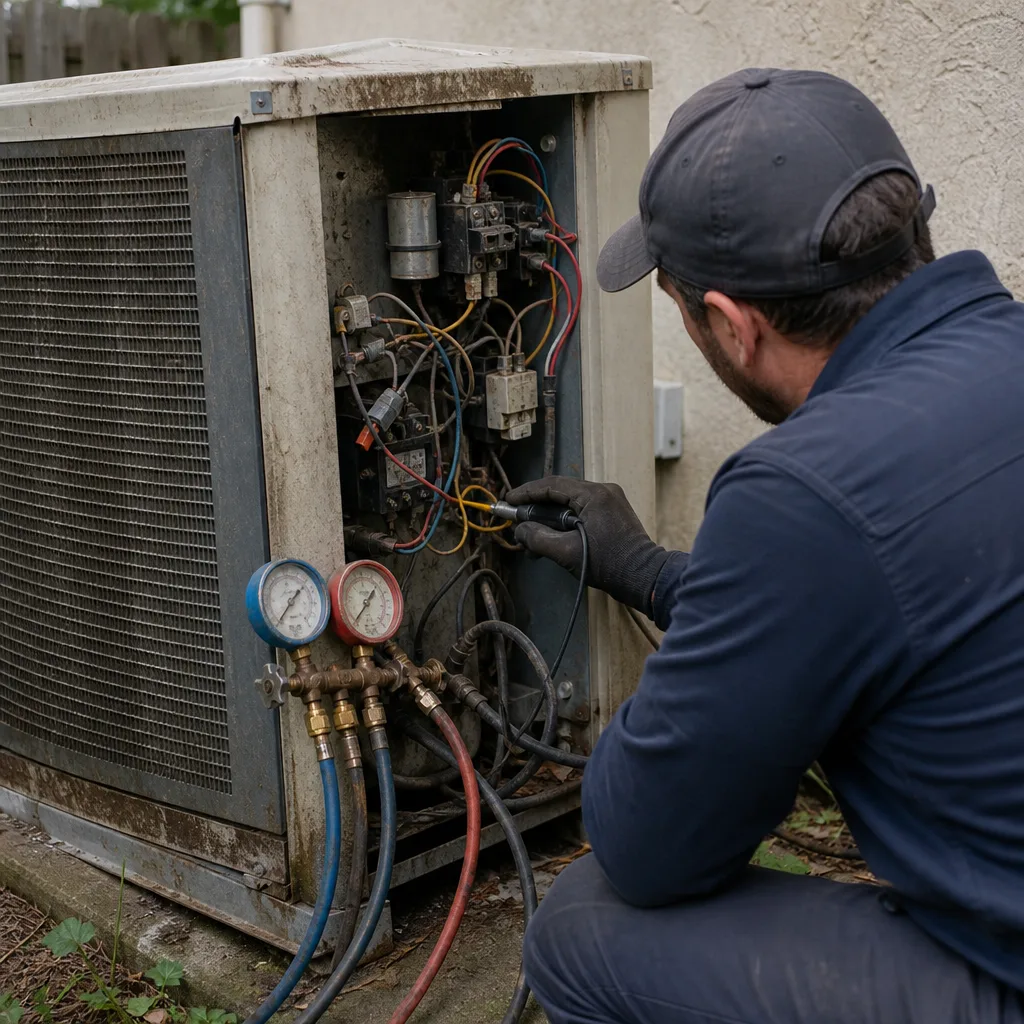 Before
 After
After Before
 After
After Before
 After
After